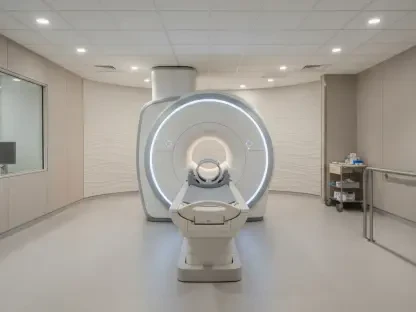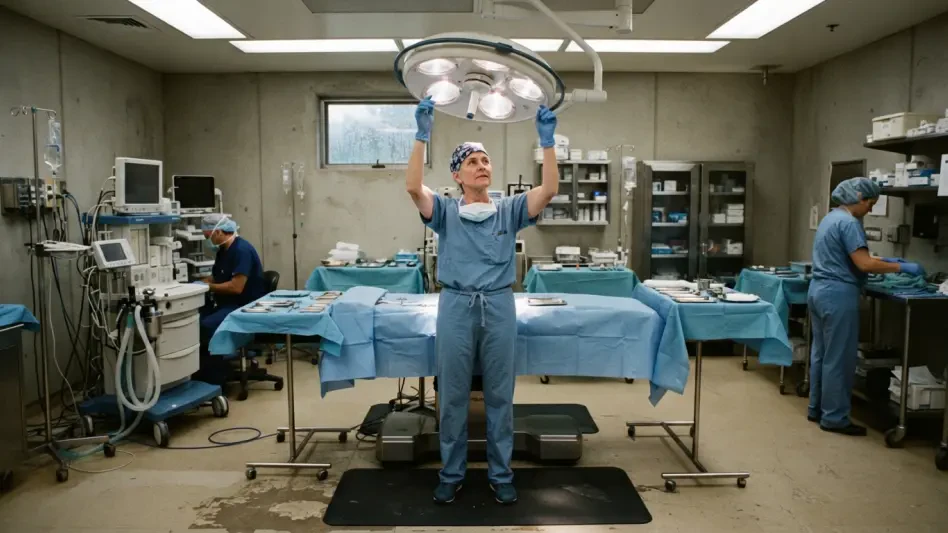

Access to specialized surgical care in remote mountain communities often requires long-distance travel to metropolitan hubs, but a transformative shift is occurring in the high desert of Northern New Mexico. Holy Cross Medical Center in Taos has secured accreditation from the Accreditation Council for Graduate Medical Education (ACGME), making it the first rural hospital in the nation to host an orthopedic sports medicine fellowship. This landmark achievement reflects a significant evolution for the facility, transitioning it into a recognized teaching hospital that meets the same rigorous standards as large urban academic centers. By partnering with the Taos Orthopaedic Institute and inReach Health, the hospital is proving that geographic isolation does not necessitate a lower tier of medical education or patient care. This development effectively bridges the gap between sophisticated sports medicine and the specific needs of rural populations, creating a sustainable model for specialized training outside traditional city environments.
Advancing Specialized Training in Rural Environments
Institutional Academic Excellence: The Path to Accreditation
The process of gaining ACGME accreditation involves meeting stringent requirements that typically favor large universities with expansive research budgets and high patient volumes. For a critical access hospital like Holy Cross, achieving this status validates decades of clinical dedication and specialized expertise within the Taos Orthopaedic Institute. This program is led by Program Director Dr. Sean Marvil, alongside a veteran team of surgeons who have maintained a commitment to surgical education for twenty-five years. Now that the fellowship is officially recognized, it offers licensed surgeons who have completed their initial orthopedic residency an opportunity to refine their skills in a unique clinical setting. The accreditation ensures that these physicians receive a top-tier education while contributing to the medical infrastructure of a region that historically struggled to attract and retain high-level specialists. It serves as a testament to the fact that rural facilities can achieve excellence.
Integrated Clinical Curriculum: Balancing Research and Practice
The curriculum for the two selected fellows each year is designed to provide a comprehensive immersion into both the clinical and operative aspects of sports medicine. Beyond the standard surgical procedures expected in a sports medicine track, the program emphasizes a “whole person” approach to patient care, which is particularly vital in close-knit rural communities. Fellows are not merely observing; they are integral participants in the hospital’s mission, providing surgical support and specialized consultations to local residents. This hands-on experience is supplemented by rigorous research initiatives that allow the fellows to contribute to the broader medical field’s understanding of orthopedic outcomes in diverse populations. By integrating academic inquiry with daily practice, the program ensures that medical advancement is happening directly on the ground in Northern New Mexico. This methodology fosters a culture where the latest surgical techniques are applied to improve the quality of life.
Strategic Regional Collaborations and Community Impact
Multistate Rotations: Expanding the Scope of Rural Medicine
To provide a broader perspective on the dynamics of rural healthcare, the fellowship incorporates a strategic rotation at the Steamboat Springs Orthopaedic & Spine Institute in Colorado. This partnership allows fellows to experience how different regional healthcare systems manage similar challenges, such as seasonal population spikes and the specific injuries associated with mountain sports and outdoor recreation. Exposure to varied clinical environments is essential for developing the versatility required of a rural specialist, who often lacks the immediate backup of a large university staff. This cross-border collaboration between New Mexico and Colorado ensures that the training remains dynamic and adaptable to different community needs. By rotating through multiple high-performance centers, fellows gain insight into diverse operational models and patient demographics, which strengthens their ability to manage complex cases independently. This structure not only benefits the surgeons but also facilitates knowledge exchange.
Future Perspectives: Addressing the Specialist Shortage
One of the most significant advantages of establishing a prestigious fellowship in a remote area is the creation of a reliable pipeline for future medical professionals. Rural America frequently faces a shortage of specialty care providers, as many newly minted surgeons gravitate toward the high-tech allure and social amenities of urban centers. By bringing highly skilled residents into the Taos community, Holy Cross Medical Center is effectively showcasing the professional rewards and clinical complexity available in rural practice. This exposure often leads to long-term recruitment, as surgeons become ingrained in the local culture and witness the profound impact their work has on an underserved population. The initiative acts as a powerful recruitment tool, ensuring that the next generation of orthopedic leaders considers rural medicine as a viable and prestigious career path. As the program evolves, it will likely serve as a blueprint for other rural hospitals seeking to address workforce shortages.
Building a Sustainable Model for Rural Medical Excellence
The establishment of this historic fellowship provides a clear pathway for rural hospitals to redefine their roles within the national healthcare landscape. By prioritizing high-level accreditation and regional partnerships, the medical community in Taos has moved beyond traditional service models to become a hub of specialized education. The success of the program suggests that the solution to rural specialist shortages lies in localized training that respects the unique cultural and clinical nuances of smaller towns. Stakeholders have observed that integrating research with community-focused care results in better patient outcomes and more resilient local healthcare systems. Looking ahead, other rural institutions should evaluate their own capacities for partnership to replicate this success. Developing specialized training pipelines within underserved areas is a vital step toward closing the healthcare gap. The initiative proves that excellence in sports medicine is not confined to metropolitan borders but can thrive in diverse environments.