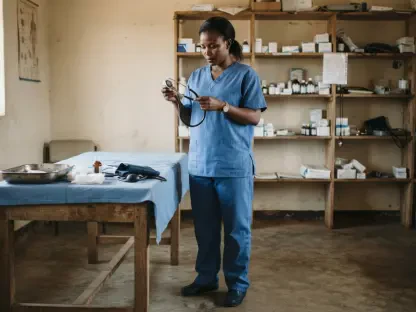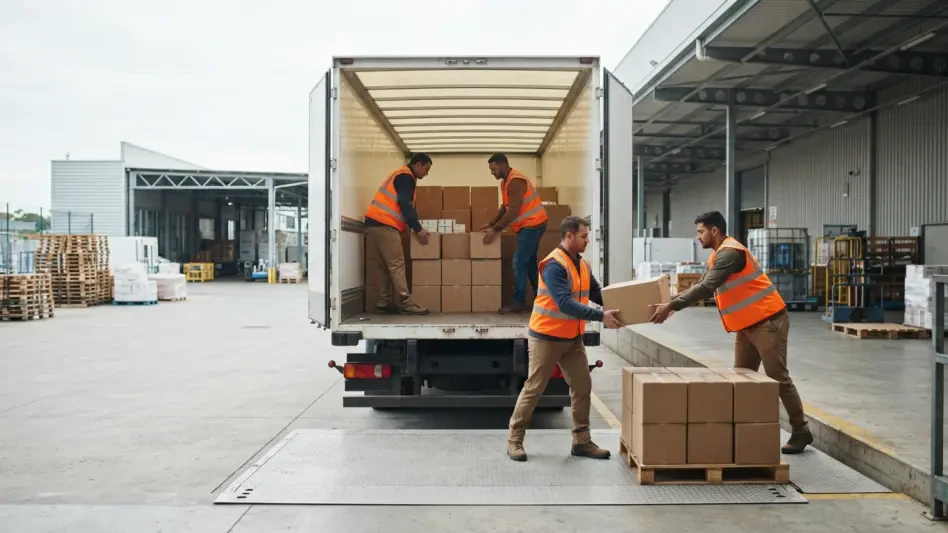

The extensive reach of Iran’s national health network provides a vital preexisting infrastructure that supports distribution efforts even in the country’s most remote regions. This foundational system acts as a primary defense against the logistical chaos that often follows major seismic events or sudden environmental crises. In the current landscape of 2026, the intersection of technological advancement and humanitarian necessity has created a unique opportunity to refine these pathways. However, the geographic diversity of the Iranian plateau, combined with long-standing external economic pressures, necessitates a highly specialized approach to health supply chain management. Ensuring that medicines, surgical equipment, and basic health necessities reach the most vulnerable populations—specifically the elderly and children—requires more than just simple transportation; it demands a sophisticated strategy that can withstand the immediate shock of a disaster while maintaining long-term operational integrity across the entire nation.
Analyzing Systemic Strengths and Internal Barriers
Utilizing Existing Infrastructure and Social Capital
One of the most significant assets within the Iranian context is the country’s demonstrated resilience through domestic manufacturing. Due to the historical necessity of navigating international trade restrictions, the local pharmaceutical and medical equipment industries have matured significantly. This self-sufficiency ensures that when external supply chains are severed or delayed, internal production lines can continue to supply essential goods. This domestic capability is not merely a backup plan but a core component of the national emergency response strategy. Furthermore, the existing network of primary healthcare centers provides a ready-made distribution grid. These facilities, embedded in local communities, possess the geographic presence required to facilitate immediate triage and resource allocation. By leveraging these established nodes, authorities can bypass the common logistical bottleneck of setting up new distribution points in the middle of a crisis, allowing for a much faster response time compared to nations that lack such an integrated and widespread public health network.
Overcoming Managerial Gaps and Public Distrust
A critical examination of past emergency responses reveals that managerial inefficiency and public distrust remain persistent hurdles. The lack of a unified command structure often leads to fragmented efforts where multiple agencies attempt to perform similar tasks without adequate communication. This redundancy not only wastes precious resources but also creates confusion at the ground level, where local clinics may receive duplicate shipments while facing a total shortage of other items. Logistical hurdles like nonstandard warehousing and weak information technology systems make real-time inventory tracking difficult, leading to the potential spoilage of critical supplies. Additionally, a notable level of public distrust toward formal distribution channels can create shadow supply chains, further complicating the government’s ability to provide a standardized response. Addressing these issues requires a fundamental shift in organizational culture toward a multisectoral management model that integrates military, governmental, and nongovernmental actors into a single coordination hub.
Strategic Pillars for a Resilient Health Network
Enhancing Operational Efficiency and Technical Capacity
Technological modernization stands at the forefront of the strategies implemented for the 2026 national resilience plan. The widespread adoption of Geographic Information Systems (GIS) has become a non-negotiable requirement for identifying the precise locations of vulnerable populations in real-time. By overlaying demographic data with disaster impact maps, logistics managers can prioritize the delivery of specialized medical kits to the areas with the highest density of those in need. This targeted approach prevents the generic aid delivery that often results in wasted resources. Additionally, the adoption of redundant communication systems ensures that even if primary internet or cellular networks fail, satellite-based links can maintain the flow of logistics data. These technical upgrades allow for a rapid needs assessment that can be completed within the critical first few hours of an event. When combined with standardized warehousing practices, these tools create a high-visibility environment where every piece of equipment is accounted for and moving toward its intended destination.
Restoring Public Confidence and Systemic Resilience
The final strategies implemented in the 2026 framework emphasize a shift toward a proactive, integrated logistics model. Policymakers successfully moved away from fragmented agency responses by establishing a unified command center that synchronized the efforts of the national health network with local volunteer groups. This transition was supported by the deployment of real-time inventory tracking and the standardization of medical procurement, which significantly reduced the waste of lifesaving resources. Education campaigns played a vital role in restoring public trust, as citizens were provided with clear, transparent information regarding aid distribution and emergency protocols. By institutionalizing these lessons from past seismic events, the health system developed a robust resilience that protected vulnerable populations even in the most remote provinces. These actions demonstrated that technological advancement, when coupled with strong social capital and clear managerial reform, could transform a reactive supply chain into a reliable lifeline during the country’s most challenging hours.