
Adult incontinence products bundled into first aid kits typically require a Letter of Medical Necessity to prove they are treating the effects of a specific disease. This specific requirement reflects the stringent nature of IRS Publication 502, which serves as the primary governing document for what qualifies as a legitimate medical expense. When consumers purchase a pre-assembled first aid kit, they often view it as a single medical product, yet tax regulations mandate a much more granular approach known as the “component test.” This means that the eligibility of the entire kit is not guaranteed by its labeling or its placement in a pharmacy; instead, it is determined by the specific function and medical necessity of every item contained within the bundle. For those utilizing Health Savings Accounts or Flexible Spending Accounts in 2026, navigating these definitions is essential to ensuring that their healthcare dollars are spent in full compliance with current federal guidelines.
Decoding the IRS Guidelines and the Component Test
Understanding Core Medical Supplies
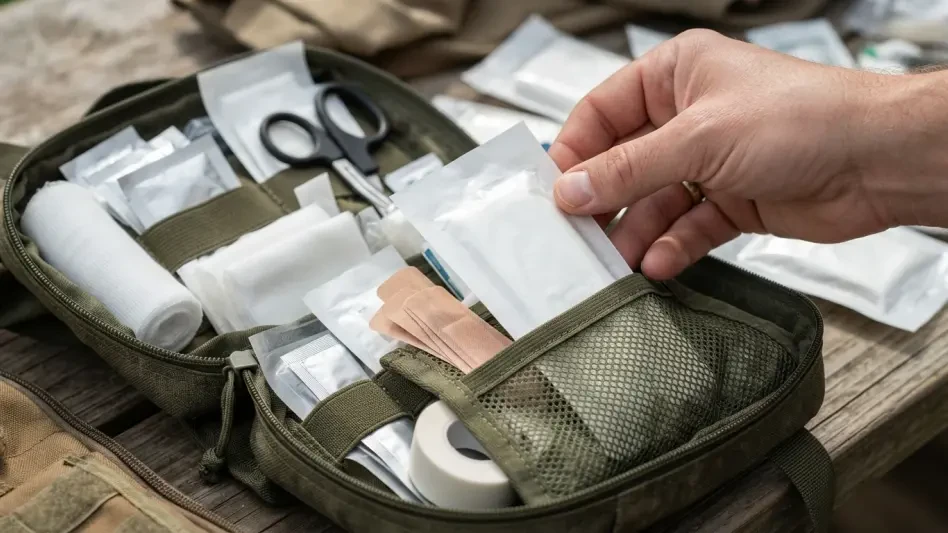
The primary foundation for any first aid kit consists of wound care supplies that are designed exclusively for the mitigation and treatment of injuries. Items such as adhesive bandages, sterile gauze pads, roller gauze, and medical adhesive tape are explicitly recognized by most plan administrators as qualifying medical expenses. This recognition stems from the fact that these items have no significant use outside of the medical context; their sole purpose is to protect a wound or facilitate the healing process. In the current 2026 regulatory environment, these products represent the “safe” portion of a kit, as they align perfectly with the IRS definition of medical care, which includes treatments intended to affect a part or function of the body. Because these supplies are essential for injury response, they rarely face scrutiny during the reimbursement process, provided they are not bundled with too many ineligible household items.
Recent legislative shifts have significantly expanded the list of eligible items within first aid bundles by including over-the-counter medications and antiseptic treatments. Previously, many account holders were required to obtain a prescription even for basic painkillers or antibiotic ointments to qualify for tax-free spending. However, updated rules now allow for the purchase of antiseptic wipes, burn creams, and pain relief tablets using HSA or FSA funds without the need for a doctor’s note. This change has greatly simplified the restocking process for modern kits, as these medications are often the first items to be depleted in an emergency. In 2026, consumers can confidently include a wide array of specialized treatments—such as hydrocortisone creams—within their kits, knowing that these products are considered qualified medical expenses aimed at the treatment of specific ailments. This ensures that the most active components of a kit remain fully reimbursable for all users.
Identifying Ineligible General Purpose Tools
While a variety of tools are necessary for the effective application of first aid, many of these implements fall into the “general purpose” category, which often leads to the denial of reimbursement claims. Items such as standard scissors, tweezers, and even emergency blankets are frequently scrutinized by plan administrators because they possess “personal, living, or family” uses outside of a medical emergency. For instance, a pair of scissors can be used for household crafts just as easily as for cutting gauze, and a blanket serves a basic human need for warmth regardless of whether the user is in shock. Unless these tools are specifically marketed and documented as medical-grade or surgical instruments, they are likely to be deemed ineligible for HSA or FSA funding. This distinction requires consumers to be vigilant when selecting premium kits that feature high-end steel tools that might not meet the strict IRS criteria for medical equipment.
The physical containers and educational materials that accompany first aid supplies are another common source of confusion regarding eligibility. While a sturdy, wall-mounted case or a portable nylon bag is essential for organizing medical supplies, the IRS often views the container itself as a storage item rather than a medical device. Similarly, first aid manuals and instructional guides are categorized as printed information rather than supplies for medical care. In 2026, many specialized retailers are beginning to offer kits where the cost of the medical supplies is clearly separated from the cost of the packaging and literature, helping consumers avoid paying for ineligible components with their tax-advantaged accounts. Without this clear separation, an administrator might reject the total purchase price of a kit if they determine that a significant portion of the cost is attributed to non-medical accessories or generic carrying cases used for storage.
Managing Your Account and Optimizing Reimbursement
Differences Between HSA and FSA Documentation
The administrative requirements for documenting first aid kit purchases differ substantially depending on whether an individual is utilizing a Health Savings Account or a Flexible Spending Account. For HSA participants, the burden of proof is primarily retrospective and rests on the account holder’s ability to maintain organized records. The IRS does not require these individuals to submit receipts with their annual tax filings; however, they must be prepared to provide itemized documentation in the event of an official audit. This flexibility allows for a more streamlined purchasing experience at the point of sale, but it also necessitates a disciplined approach to record-keeping. In 2026, digital apps and cloud-based storage have made it easier for HSA users to scan and save receipts immediately, ensuring that they can justify the medical necessity of their emergency supplies years after the initial purchase was made to the federal tax authorities.
Flexible Spending Accounts involve a more rigorous and immediate oversight process because these plans are managed by third-party administrators who must verify every transaction. For a first aid kit to be approved through an FSA, the administrator typically requires a detailed statement or receipt from an independent third party that confirms the nature of the expense, the date, and the specific amount. Because these administrators are tasked with upholding the integrity of the employer-sponsored plan, they are far more likely to reject a broad claim for a “First Aid Bundle” that lacks a breakdown of its contents. This level of scrutiny means that FSA users must be proactive in seeking out sellers who provide granular invoices. If an invoice only shows a generic total for a kit, the administrator may deny the entire reimbursement, forcing the consumer to pay out-of-pocket for items that would have otherwise been eligible if purchased and documented correctly.
Achieving Compliance Through Long-Term Maintenance
Maintaining a first aid kit in a serviceable condition was established as a core priority for both residential and commercial safety protocols. As consumers looked toward the future of their healthcare spending, the emphasis shifted from one-time purchases to a continuous cycle of replenishment and oversight. Every time a bandage was used or a bottle of antiseptic reached its expiration date, the subsequent replacement purchase served as a fresh opportunity to apply the IRS medical-care test. This ongoing process ensured that the kit remained a valid medical resource rather than a collection of outdated or general-purpose supplies. By focusing on the specific treatment of injuries rather than general hygiene, account holders successfully maximized their tax benefits. They learned to distinguish between essential medical interventions and items used for general wellness, such as soaps, which remained ineligible under the strict federal definitions.
Final steps for managing emergency supplies involved a commitment to proactive documentation and the regular review of plan-specific guidelines. Individuals who took the time to verify the status of diagnostic tools with their plan custodians avoided unexpected out-of-pocket costs. They also recognized that while the regulatory landscape for HSA and FSA accounts was complex, it offered a powerful way to offset the rising costs of healthcare maintenance. Looking ahead, the integration of digital receipts and more transparent vendor billing will likely continue to bridge the gap between tax compliance and consumer convenience. By adhering to the principles of itemization and focusing on core medical necessities, taxpayers effectively secured their safety without compromising their financial integrity. This strategic approach to first aid management ultimately proved that a detailed understanding of the component test was the most reliable tool for navigating modern healthcare savings accounts.