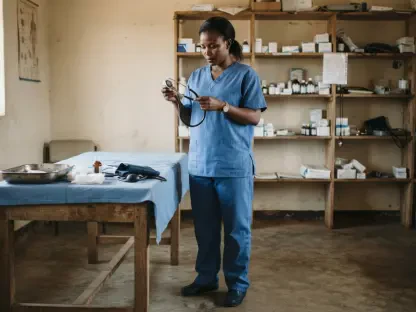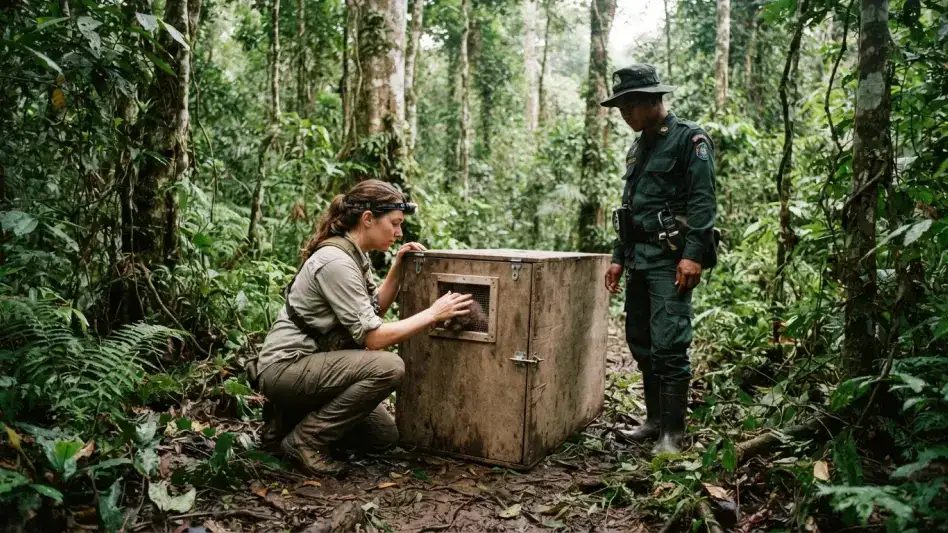

Effective pandemic prevention requires a workforce of ecologists, veterinarians, and medical professionals trained to collaborate across traditionally isolated disciplinary silos. The urgency of this integration is nowhere more apparent than in Southeast Asia, a region where the dense intersections of high biodiversity and rapid human expansion create a volatile landscape for pathogen spillover. While historical public health responses have functioned primarily as a reactive fire brigade, scrambling to contain viruses only after they have breached the human barrier, modern security demands an upstream approach. This means identifying the ecological triggers of disease before the first patient is even infected. By treating the health of forests, wildlife, and ecosystems as an essential pillar of national security, countries can move beyond the limitations of clinical medicine and into a phase of true prevention. The challenge lies in dismantling the bureaucratic walls that have kept environmental specialists on the periphery of health policy for decades, ensuring that the protection of biological diversity is recognized as the first line of defense against global contagion.
Economic Justification: The Financial Case for Prevention
The economic rationale for shifting toward a preventive One Health framework is staggering when compared to the catastrophic costs of global health crises. Recent analysis indicates that the global investment required for comprehensive preventive measures, such as curbing deforestation and strictly regulating the wildlife trade, ranges from USD 22 billion to USD 31 billion annually. While these figures may seem substantial in isolation, they represent a mere fraction of the economic devastation brought about by major pandemics, which can easily exceed USD 12.5 trillion in global losses. By allocating just 2% of the funds typically drained by pandemic recovery efforts into preventive environmental infrastructure, the global risk of future zoonotic outbreaks could be effectively halved. This shift transforms pandemic preparedness from a drain on national treasuries into a high-yield investment. Beyond the immediate health benefits, these funds support essential ecosystem services like carbon sequestration and water purification, which underpin the livelihoods of hundreds of millions of people in Southeast Asia and beyond.
Despite these clear financial incentives, structural barriers often stall the integration of environmental sectors into national health frameworks. There exists a deep-seated institutional asymmetry where ministries of health and agriculture typically command significantly larger budgets and greater political leverage than their environmental counterparts. This imbalance creates a landscape of fragmented data systems and a fundamental lack of cross-sectoral trust. Environmental agencies often operate on long-term ecological cycles, focusing on land management and habitat preservation, while public health agencies are frequently emergency-driven, prioritizing immediate clinical outcomes and rapid infection control. This divergence in mandates makes it difficult to align technical terminologies and reporting timelines. Without a conscious effort to grant environmental actors equal status in governance and resource allocation, One Health will remain a reactive concept rather than a proactive strategy. True resilience requires that the health of a forest be seen as just as critical to the national budget as the staffing of a metropolitan hospital.
Implementation Strategies: Bridging the Governance Gap
Overcoming institutional silos requires a dual-pronged approach that combines bottom-up localized action with top-down policy reform. Bottom-up interventions are essential because they provide practical proof-of-concept models that demonstrate the tangible value of collaboration at the community level. In regions where the human-wildlife-livestock interface is most active, such as live animal markets or the edges of expanding agricultural zones, integrated surveillance programs can yield immediate results. By training local park rangers and wildlife biologists to monitor animal health alongside human medical practitioners, authorities can detect unusual morbidity patterns in nature before they translate into human clusters. These grassroots initiatives empower local populations to manage their environments sustainably, reducing the risk of spillover at the point of origin. When these localized models succeed, they create a compelling narrative for national scale-up, proving that multisectoral cooperation is not just a theoretical ideal but a functional necessity for community safety.
On a national level, top-down reforms are necessary to create a permanent enabling environment for these integrated efforts. This begins with the establishment of formal inter-ministerial coordination platforms where ministers of health, agriculture, and environment hold equal decision-making authority. Such platforms move beyond occasional meetings and instead foster a continuous exchange of data and strategy. Legal harmonization is a secondary but equally vital step, ensuring that existing national laws recognize environmental conservation as a core component of national health security. This policy alignment ensures that a reforestation project or a wildlife protection law is not viewed merely as an ecological endeavor but as a strategic defense against the next biological threat. By shifting from temporary, donor-driven funding to integrated national budgets, governments can insulate these programs from the volatility of international aid and political shifts. This long-term financial commitment signals that the integration of the environmental sector is a permanent shift in how the state protects its citizens.
Systemic Integration: Building the Necessary Infrastructure
Systemic integration relies on a suite of high-level enablers designed to embed environmental and wildlife considerations into the very fabric of national health systems. One of the most critical enablers is the development of integrated surveillance systems that track environmental indicators—such as deforestation rates, water quality fluctuations, and wildlife migration patterns—alongside traditional epidemiological data. When health officials can see real-time changes in land use, they can better predict where zoonotic risks might be escalating. Furthermore, laboratory networks must be significantly upgraded to include specialized wildlife diagnostics. Historically, many national laboratories have focused exclusively on human or livestock pathogens, leaving a massive blind spot in the natural world. Expanding these facilities allows for the identification of novel viruses in animal populations long before they adapt to human hosts, providing the lead time necessary to develop diagnostic tools and vaccine candidates.
The human element of this infrastructure is equally important, necessitating a new paradigm in workforce development. The next generation of health professionals must be cross-trained in disciplines that were once considered distinct, such as ecology, veterinary science, and public health epidemiology. This interdisciplinary fluency ensures that data can be shared and interpreted accurately across different agencies, reducing the likelihood of critical information being lost in translation. Policy alignment further strengthens this framework by synchronizing national health goals with international agreements like the Kunming-Montreal Global Biodiversity Framework. When international treaties regarding the wildlife trade and habitat preservation are enforced through the lens of pandemic prevention, their impact is significantly amplified. This synchronization creates a unified front where environmental protection acts as a protective shield for human health, ensuring that every acre of forest preserved contributes to the overarching goal of global health security.
Strategic Evolution: Achieving Long-Term Planetary Health
The shift toward an environmentally integrated One Health approach represents more than just a change in medical protocol; it is an investment in the long-term resilience of the planet. This holistic vision, often referred to as planetary health, recognizes that human well-being is fundamentally inseparable from the health of the ecosystems that provide our most basic needs, including clean air, potable water, and stable climate conditions. As Southeast Asia continues its trajectory of rapid development through the late 2020s, its ability to institutionalize this model will be the deciding factor in its capacity to withstand the biological challenges of the modern era. By prioritizing the health of the natural world, the region can transform its vast biodiversity from a perceived source of risk into a foundational asset for a secure and sustainable future. This approach moves the conversation away from fear-based pathogen control and toward a proactive model of ecosystem stewardship that benefits all living beings.
The comprehensive roadmap for integrating the wildlife and environment sectors into the One Health strategy provided a clear path forward for regional stability. Actionable steps were taken to establish permanent coordination platforms that prioritized the environment as an equal partner in health security. Policymakers successfully moved away from the reactive management of the past and adopted long-term ecological monitoring as a standard practice for pandemic prevention. The integration of environmental indicators into national surveillance systems allowed for the early detection of spillover risks, effectively reducing the frequency of outbreaks. These initiatives were supported by sustainable national funding, which ensured that the progress made was not lost to shifting political priorities. By embracing this expanded definition of health, the region set a global benchmark for how to protect human society by first protecting the natural systems that sustain it. The transformation of Southeast Asia from a zoonotic hotspot into a leader in planetary health demonstrated that true security was found in the balance between human activity and ecological integrity.