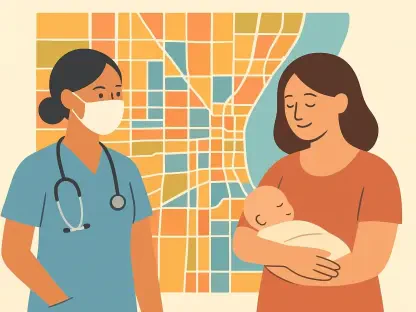

The groundbreaking of the AWSOM Whole Health Campus in Bentonville represents a $750 million strategic effort to eliminate the regional healthcare leakage affecting the Heartland. For decades, residents of Northwest Arkansas have been forced to migrate to distant metropolitan centers to receive specialized medical treatment, leading to an annual economic loss of nearly one billion dollars. This initiative serves as a direct response to those systemic challenges, aiming to create a comprehensive medical ecosystem that keeps both capital and care within the local community. By integrating philanthropy with corporate strength, the project addresses the logistical and emotional burdens faced by patients who previously had no choice but to travel out of state for life-saving procedures. The goal is to establish Northwest Arkansas as a self-reliant hub for medical excellence, ensuring that high-quality care is accessible to everyone, regardless of their proximity to the coast. This shift marks the beginning of a larger transformation for the region’s overall economy.
Regional Economic Revitalization and Strategic Investment
Combating Leakage: Retaining Capital in the Heartland
The economic strategy behind this massive investment focuses on reversing the drain of financial resources that occurs when patients seek oncology or cardiology services elsewhere. Research has shown that when specialized care is unavailable locally, the resulting leakage not only costs families more in travel expenses but also deprives the state of high-paying medical jobs. By building world-class facilities locally, the project aims to retain these resources within Arkansas while easing the logistical burdens on patients.
This creates a virtuous cycle where local spending supports medical innovation, which in turn improves patient outcomes and draws even more expertise to the Heartland. The ultimate goal is to transform the region from a medical desert into a premier destination for healthcare, where the quality of care matches that of major urban centers. By providing advanced technology and specialized staff in Bentonville, the project ensures that the economic benefits of healthcare stay in the state to foster long-term growth.
Strategic Alliances: The Power of Collaborative Funding
The initiative is a collaborative powerhouse, fueled by a $350 million commitment from the Alice L. Walton Foundation alongside significant contributions from regional giants like Mercy Health System. This multi-layered funding strategy includes a substantial $350 million commitment from Mercy and a $50 million contribution from the Tyson Foods family, bringing the total injected capital closer to the $1 billion mark. Such a concentrated burst of investment provides the necessary scale to compete with established national brands.
By consolidating these resources, the partners aim to stop the economic instability that has historically crippled the state’s medical sector. This strategy serves as a defensive maneuver that simultaneously elevates the quality of life for all residents by providing access to advanced technology and world-tier expertise that was once out of reach. This collaborative model demonstrates how private sector leadership can effectively address public infrastructure gaps that have persisted for generations.
Educational Transformation and the Whole Health Model
Proactive Care: Shifting the Clinical Paradigm
At the heart of this investment is a shift in the philosophy of care toward the Whole Health framework, which moves away from the traditional reactive model of medicine. This methodology integrates physical, mental, emotional, and social well-being into a singular treatment plan, aiming to address the root causes of illness rather than just treating symptoms as they appear. This framework is particularly relevant in Arkansas, where high rates of chronic disease have historically overwhelmed the healthcare system.
By prioritizing proactive wellness, the initiative seeks to reduce the prevalence of preventable illnesses and lower the long-term cost of care. This shift in perspective is expected to produce a more resilient community where health is treated as a holistic asset, ensuring that patients receive the support they need to maintain wellness over the long term. The emphasis on preventative strategies marks a significant departure from standard clinical practices, setting a new benchmark for regional healthcare delivery.
Institutional Foundations: The Role of the Medical School
To sustain this philosophy, the Alice L. Walton School of Medicine provides an unprecedented educational opportunity by offering free tuition to its inaugural cohorts of medical students. This $250 million endowment removes the financial barriers that often prevent talented individuals from pursuing medical careers, allowing them to focus entirely on their training and service to the community. The school welcomed its first class of MD students in 2025, and by 2026, the program has already begun to influence the regional medical culture.
By eliminating student debt, the school encourages graduates to remain in the Heartland and practice in rural specialties that are often overlooked. This educational foundation is critical for the sustainability of the model, as it creates a steady pipeline of physicians who are specifically trained to work within this new clinical framework. The school serves as an anchor for the campus, fostering a culture of continuous learning and innovation that benefits both the students and the patients across the entire region.
Clinical Excellence and the Future of Rural Medicine
Healing Environments: Integrating Nature and Specialty Care
The physical manifestation of this investment is a sprawling 120-acre campus in Bentonville designed to serve as a destination for healing, featuring gardens, trails, and integrated art. Taking inspiration from the nearby Crystal Bridges Museum of American Art, the facility leverages the therapeutic power of nature to improve patient recovery times and mental health during treatment. Beyond aesthetics, the project leverages a high-level partnership with the Cleveland Clinic to establish a cardiac center of excellence by 2029.
This alliance brings world-tier cardiovascular expertise to the region, ensuring that complex surgeries are accessible without the need for long-distance travel. Starting in 2026, these organizations have begun coordinating protocols to ensure a seamless integration of services. The design emphasizes transparency and natural light, creating spaces that feel open and welcoming rather than intimidating, which is essential for reducing patient stress and promoting a sense of peace during the recovery process.
Sustainable Infrastructure: Long-Term Impact and Outcomes
The initiative established a new precedent for how private wealth could intervene in public health crises by focusing on long-term sustainability rather than temporary fixes. Stakeholders recognized that the success of the campus depended on its ability to integrate into the community fabric while providing services that were previously unavailable. The project demonstrated that a combination of local leadership and global expertise could effectively bridge the gap between rural populations and modern advancements.
Moving forward, health systems began to evaluate the Bentonville model as a potential roadmap for addressing similar disparities in other underserved areas. This transformation solidified the Heartland’s role as a leader in innovative and equitable healthcare delivery, ensuring that geography no longer dictated the quality of care an individual received. The focus shifted toward utilizing the data collected from the Whole Health programs to advocate for broader policy changes in medical education and rural insurance coverage nationwide.