
A devastating decline in public trust combined with systemic funding withdrawals has placed decades of medical progress at risk, forcing experts to transition from the laboratory to the front lines of political and social advocacy. The scientific pipeline that successfully prevented approximately 154 million deaths over the last half-century is currently facing a precarious future as foundational support systems begin to fracture under the weight of shifting political priorities. While researchers traditionally focus on laboratory discovery, the current environment necessitates a shift toward active participation in the public sphere to ensure that vaccine-preventable diseases do not reclaim their former dominance. This shift involves more than just defending existing budgets; it requires a comprehensive re-evaluation of how scientific value is communicated to a skeptical public. The stability of global health depends on maintaining a robust infrastructure that supports both the development of new immunizations and the distribution of existing ones across all borders.
Deterioration of Global Health Infrastructure and Scientific Training
The erosion of institutional support has created a dangerous vacuum within the immunology and public health sectors, leading to the dismantling of essential training programs that cultivate the next generation of researchers. Federal disinvestment is not a localized issue but a systemic failure that threatens the scientific “pipeline” by discouraging young professionals from pursuing careers in vaccine development. When funding for doctoral fellowships and laboratory equipment is slashed, the cumulative knowledge required to fight emerging pathogens begins to dissipate. This loss of human capital is particularly concerning as the complexity of modern diseases increases, requiring more sophisticated research methodologies than ever before. Without a steady stream of incoming talent and guaranteed financial stability for long-term projects, the ability to respond to future biological threats becomes significantly compromised, leaving the population vulnerable to outbreaks that were once considered manageable or entirely eradicated.
International cooperation has historically served as a bulwark against the spread of infectious diseases, yet current trends suggest a troubling retreat from these vital global partnerships. The withdrawal of support from organizations like the World Health Organization and Gavi creates gaps in surveillance and distribution networks that vaccine-preventable diseases can easily exploit. Because infectious agents do not recognize national boundaries, instability in global health infrastructure directly increases the risk of domestic outbreaks and subsequent economic volatility. Recent localized crises involving hantavirus and Ebola have demonstrated that a failure to maintain international vigilance leads to rapid transmission and high containment costs. Maintaining these global ties is therefore a matter of national security and economic preservation rather than mere philanthropy. Strengthening these alliances ensures that scientific breakthroughs are shared rapidly and that immunization coverage remains high enough to prevent the re-emergence of pathogens in interconnected urban centers.
Expanding Horizons: mRNA Innovation and Communication Strategies
The value of the current vaccine research framework extends far beyond the prevention of infectious diseases, as technologies like mRNA hold transformative potential for treating a wide array of chronic conditions. Breakthroughs originally intended for viral defense are now being adapted to target various forms of cancer and complex autoimmune disorders, representing a new frontier in personalized medicine. However, these innovations remain stalled when the underlying research framework faces collapse due to political or financial pressure. If the infrastructure for vaccine testing and production is allowed to decay, the progress toward curing late-stage malignancies or managing lifelong genetic conditions will be delayed by years or even decades. The medical community must emphasize that supporting vaccine science is synonymous with supporting the future of all therapeutic medicine. Protecting the pipeline for one branch of science effectively secures the tools necessary for the next generation of life-saving treatments across the entire healthcare spectrum.
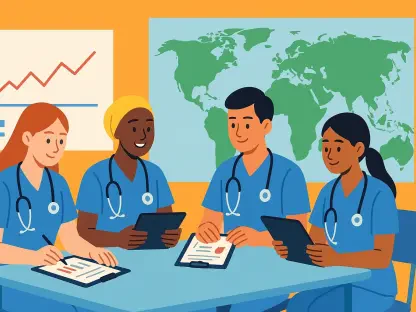
Bridging the gap between the scientific community and the general public requires researchers to move beyond technical journals and engage in modern forms of transparent communication. The rise of digital misinformation has created a public health emergency that cannot be solved through data alone; it requires humanizing the impact of scientific work through social media, journalism, and community outreach. Scientists are being called to participate in workshops and public forums where they can explain the rigorous safety protocols and immense benefits of immunization in accessible language. By establishing a presence in the digital spaces where people consume information, researchers can counter false narratives with factual evidence and personal accounts of clinical success. This proactive approach to public relations is essential for rebuilding the trust that has been eroded over recent years. Engaging with community leaders and local influencers allows the scientific community to foster an environment where evidence-based medicine is valued and protected by the citizens it serves.
Strategic Advocacy: Safeguarding the Future of Public Health
The establishment of diverse advocacy coalitions proved to be a critical step for researchers who sought to influence policy decisions and secure the long-term viability of their laboratories. These groups successfully integrated scientific expertise with political strategy, allowing experts to participate directly in legislative discussions regarding public health appropriations. By engaging with policymakers on a regular basis, the scientific community demonstrated the tangible return on investment that vaccine research provided for the national economy and public safety. Training programs were implemented to help scientists translate complex data into actionable policy recommendations, ensuring that their voices remained influential during budget negotiations. This transition toward active political engagement represented a fundamental shift in the professional identity of the modern researcher. It was no longer sufficient to produce excellent data; it became necessary to ensure that such data was understood and supported by those who controlled the mechanisms of federal and state funding.
Future considerations for the scientific community centered on the permanent integration of communication and advocacy into the core curriculum of medical and doctoral education. This move ensured that the researchers of tomorrow were equipped with the skills to defend their work against skepticism and political interference from the very start of their careers. By institutionalizing these practices, the scientific community built a more resilient framework that was less susceptible to the whims of shifting political cycles. New insights into digital sociology and community behavior were utilized to create more effective public health campaigns that resonated with diverse populations across the globe. The focus shifted toward a proactive defense of the global health legacy, ensuring that the eradication of smallpox remained a standard for what humanity could achieve through cooperation. These efforts solidified the role of the scientist as a public servant who not only discovered cures but also fought to ensure those cures reached every corner of the world without interruption.