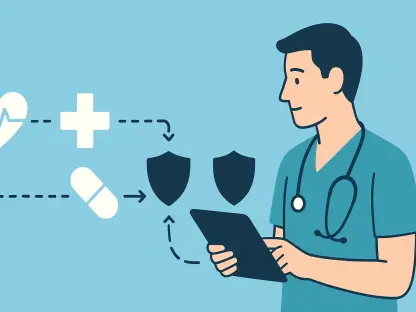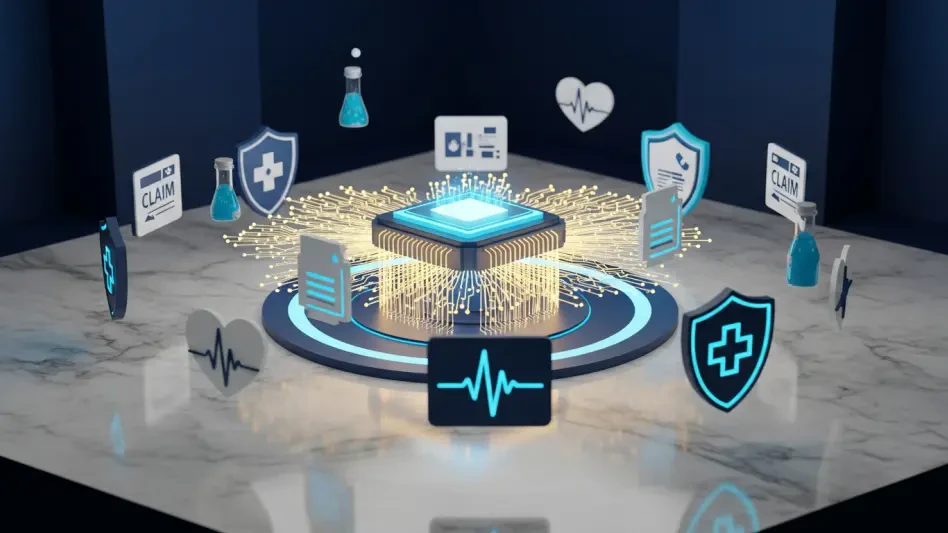

Modern medical practitioners are increasingly distancing themselves from traditional reactive treatment methodologies in favor of adopting comprehensive clinical intelligence platforms that utilize real-time data processing to improve patient outcomes. This fundamental shift has transitioned the clinical analytics platform from an elective administrative tool into a central piece of infrastructure for healthcare providers, payers, and life sciences organizations. By aggregating and interpreting massive amounts of data from varied sources, these platforms act as the central nervous system of modern medical intelligence. Beyond the standard electronic health records, they now incorporate insurance claims, laboratory results, and social determinants of health to provide a holistic view of patient wellness. A high-performing system typically rests on five pillars which include a robust data layer for cleaning information, interconnectivity for seamless communication, advanced predictive modeling, strict governance for security, and user-facing applications that allow clinicians to act on insights immediately. This evolution ensures that medical professionals can make more informed decisions by leveraging a proactive, data-driven ecosystem that prioritizes preventative care over simple symptomatic response.
Economic Projections: Part 1. Financial Expansion and Market Dynamics
The financial landscape of the clinical analytics sector reflects its rising importance within the global healthcare economy as organizations prioritize long-term efficiency. In 2025, the industry was valued at approximately $12.55 billion, and the momentum has continued to build as more facilities move away from legacy software toward cloud-native intelligence. Current projections suggest that the market is expected to grow to $35.26 billion by 2034, representing a significant expansion driven by a robust compound annual growth rate. This surge in investment is not merely a result of technological curiosity but a direct response to the industry-wide need to lower operational costs while simultaneously improving the quality of patient care. As precision medicine becomes the standard rather than the exception, the demand for platforms that can manage the resulting data complexity has reached an all-time high. Investors and healthcare stakeholders are increasingly focusing on scalable cloud-based infrastructures that can support the rapid influx of genomic and biometric data.
Economic Projections: Part 2. Precision Medicine and Operational ROI
The transition toward precision medicine has fundamentally altered the return on investment calculations for major healthcare networks and private clinics alike. By utilizing predictive analytics, providers can now identify high-risk patient populations before they require expensive emergency interventions, effectively reducing the overall cost of care delivery. This shift from a volume-based to a value-based care model relies heavily on the ability of clinical analytics platforms to pinpoint specific medical needs with surgical accuracy. Furthermore, the integration of automated reporting and real-time auditing has drastically reduced the administrative burden on clinical staff, allowing them to focus more on direct patient interaction. The reduction in diagnostic errors and the optimization of treatment plans contribute to a more sustainable financial model that benefits both the provider and the patient. As these systems become more integrated into the daily workflow, the economic benefits of data-driven decision-making continue to manifest through shorter hospital stays and higher rates of successful primary treatments.
Industry Leadership: Part 1. Oracle and the Intelligent Workstation
Several key players are leading the charge by integrating sophisticated artificial intelligence into their core offerings to streamline healthcare delivery across the globe. Oracle has effectively utilized its massive cloud infrastructure to create intelligent workstations that link laboratory research directly to clinical applications, removing the traditional barriers between science and practice. These workstations serve as unified interfaces where clinicians can access real-world evidence and research data alongside a patient’s personal history, facilitating a more comprehensive diagnostic process. By embedding AI-driven suggestions directly into the user interface, Oracle has simplified the complex task of data interpretation, making it easier for providers to navigate through thousands of data points. This approach has proven particularly effective in specialized fields like oncology and cardiology, where the volume of relevant clinical research changes on a daily basis. The focus remains on providing a seamless user experience that minimizes cognitive load while maximizing the utility of the available data.
Industry Leadership: Part 2. Epic Systems and Personalizing the Patient Journey
Epic Systems has taken a proactive approach by integrating over 200 distinct artificial intelligence features into its electronic health record ecosystem to personalize the patient journey. These enhancements are designed to assist clinicians in everything from routine scheduling to complex surgical planning, ensuring that every touchpoint in the medical experience is optimized for efficiency. By utilizing machine learning algorithms, the platform can predict patient no-show rates, identify potential medication interactions, and suggest tailored follow-up care based on individual recovery patterns. This level of personalization helps to build stronger relationships between patients and providers, as the care plans feel more specific to the individual’s unique circumstances. Additionally, Health Catalyst has focused on helping large medical networks migrate toward evidence-based medicine by ensuring that every clinical decision is supported by a foundation of comprehensive data. This shift toward a more rigorous, data-backed approach to healthcare has helped to standardize quality across entire health systems, regardless of geographic location or facility size.
Specialized Analytics: Part 1. Payer Efficiency and Risk Management
Specialized platforms are also emerging to address the specific needs of insurance payers and hospital administrators who require different insights than frontline clinicians. Innovaccer has developed AI-enabled tools that help insurance providers manage complex regulatory requirements and risk adjustments with high levels of efficiency and accuracy. These systems can analyze thousands of claims in seconds to identify patterns of fraud or clinical inefficiency, saving millions of dollars in unnecessary expenditures. By providing a clear view of population health trends, these platforms allow payers to design more effective insurance products that address the actual needs of their member populations. This data transparency also facilitates a more collaborative relationship between insurance companies and healthcare providers, as both parties can work from a single source of truth regarding patient outcomes. The focus on risk adjustment ensures that resources are allocated where they are most needed, improving the overall stability of the healthcare financial ecosystem.
Specialized Analytics: Part 2. Administrative Insights and Supply Chain Optimization
Arcadia Solutions provides real-time insights that allow healthcare leaders to adjust care delivery strategies on the fly based on current facility capacity and patient needs. This administrative flexibility is vital in a modern environment where hospital resources are often stretched thin by fluctuating patient volumes. Similarly, Veradigm has successfully used artificial intelligence to optimize hospital supply chains, proving that clinical analytics is as vital for backend operations as it is for direct patient care. By predicting the demand for surgical supplies and pharmaceuticals, hospitals can maintain leaner inventories while ensuring that life-saving materials are always available when needed. This optimization reduces waste and lowers the environmental impact of medical logistics, contributing to more sustainable hospital operations. The ability to track the movement of medical supplies in real-time also provides a higher level of accountability and security within the hospital environment. These administrative gains directly support clinical excellence by ensuring that the physical infrastructure of the hospital is as smart as the medical professionals working within it.
Life Sciences Innovation: Part 1. Speeding Up Clinical Trials and Submissions
The life sciences sector is seeing a parallel revolution through platforms designed to accelerate the development of new medical treatments and pharmaceutical products. SAS Institute has leveraged advanced technology to significantly speed up clinical trials and regulatory submissions, helping pharmaceutical companies bring critical drugs to market faster than ever before. By automating the data cleaning and analysis process, researchers can identify successful therapeutic candidates earlier in the trial cycle, reducing the time spent on less promising avenues. This efficiency is particularly important in the development of treatments for rare diseases and emerging health threats where time is a critical factor in saving lives. The integration of advanced analytics into the research process also improves the accuracy of trial results, making it easier for regulatory bodies to review and approve new therapies. This streamlined approach to drug development has fostered a more innovative environment within the pharmaceutical industry, encouraging the pursuit of more complex and personalized treatments.
Life Sciences Innovation: Part 2. Real-World Evidence and Alliance Data
Truveta has transformed the research landscape by leveraging a massive alliance of healthcare providers to aggregate anonymized patient data on a global scale. This allows researchers to generate regulatory-grade evidence from real-world outcomes in a fraction of the time required by traditional, highly controlled studies. By observing how treatments perform in diverse populations across different environments, life sciences companies can gain a deeper understanding of drug efficacy and safety. This reliance on real-world evidence has become a cornerstone of modern medical research, providing a more accurate picture of how patients respond to therapies outside of a lab setting. Furthermore, Snowflake has partnered with clinical solution providers to integrate high-speed data management into its AI cloud, allowing for unprecedented scalability during large-scale clinical trials. Databricks has taken a similar path by collaborating on national projects, such as Singapore’s Healix platform, highlighting a global trend toward building nationalized, AI-driven health data infrastructures. These collaborations ensure that the data required for the next generation of medical breakthroughs is both accessible and secure.
Strategic Implementation: Part 1. Predictive Modeling and Interoperability
The industry successfully transitioned from simple data reporting to advanced predictive modeling as a standard component of clinical care. Medical leaders recognized that moving away from isolated data silos in favor of total interoperability was the only way to ensure that a patient’s medical history followed them seamlessly across different settings. This shift allowed for a more consistent level of care, as doctors in different departments or even different cities could access the same real-time intelligence. The widespread adoption of real-world evidence validated new treatments based on actual patient outcomes, which shifted the focus of clinical research toward long-term wellness rather than short-term symptom management. By establishing a unified data language, organizations ensured that their analytics platforms could communicate with various medical devices and software suites without manual intervention. This technical harmony facilitated a more responsive healthcare environment where the data moved as quickly as the patients did. The resulting transparency provided a clearer view of systemic health trends, allowing for better public health planning and resource allocation.
Strategic Implementation: Part 2. Conversational AI and Bedside Intelligence
The rise of conversational and generative AI represented the next frontier in making complex medical data accessible to both healthcare providers and their patients. By utilizing intuitive interfaces and automated assistants, platforms bridged the gap between massive datasets and the immediate actions required at the bedside. Clinicians began using natural language queries to pull up complex risk assessments, while patients used similar tools to understand their own treatment plans in plain English. This democratization of data improved patient engagement and adherence to medical advice, as individuals felt more empowered by the information available to them. Organizations that successfully turned raw information into life-saving intelligence established a new standard of care that prioritized clarity and actionable insights. Moving forward, providers should focus on refining these human-machine interfaces to ensure they remain supportive tools rather than distractions during patient care. The next logical step involves integrating these platforms with wearable technologies to provide a continuous stream of health data, allowing for even earlier detection of potential medical issues. Continued investment in ethical data governance will be essential to maintain public trust as these systems become more deeply embedded in the daily lives of citizens.