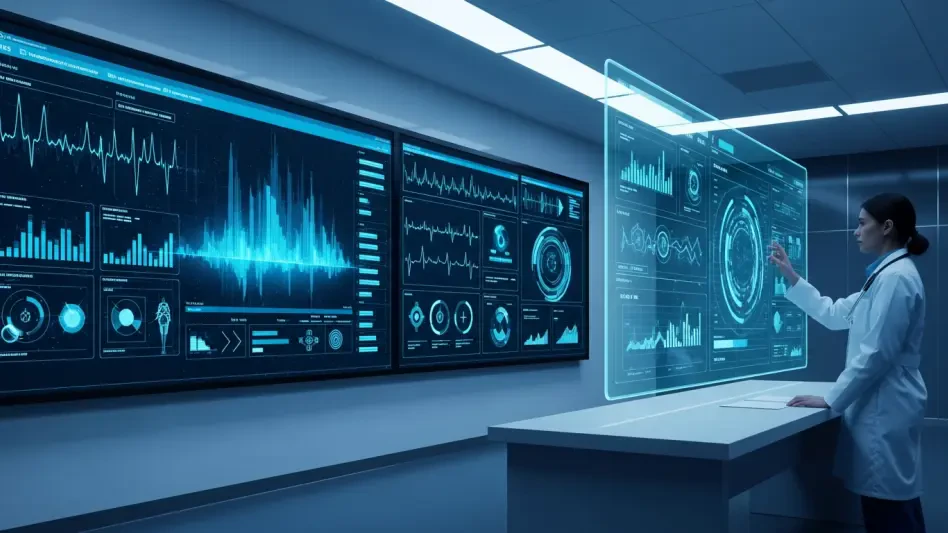

The healthcare sector remains caught in a peculiar contradiction where cutting-edge remote monitoring tools exist alongside legacy workflows that struggle to ingest real-time patient data effectively. While the theoretical benefits of virtual-first care are widely acknowledged by hospital administrators and health technology developers, the practical application often hits a wall of administrative complexity and fragmented digital infrastructure. This implementation gap is not merely a failure of technology but a systemic mismatch between how digital health products are designed and how clinical care is actually delivered on the ground. Bridging this divide requires more than just better software; it demands a fundamental shift in how provider organizations integrate virtual touchpoints into the patient journey. Without a unified strategy to align patient-generated data with existing electronic health records, the promise of proactive, continuous monitoring remains an aspirational goal rather than a standard of care. Identifying these friction points is the first step toward a more integrated future.
Operational Integration: Bridging the Digital and Clinical Divide
Standardized data protocols like FHIR have become the backbone of modern health systems, yet the translation of high-frequency wearable data into actionable clinical insights remains remarkably slow. Engineers have successfully built the pipes for data transmission, but the sheer volume of information often overwhelms clinical teams who are already grappling with high patient ratios. To bridge the gap, organizations must move beyond simple connectivity and focus on intelligent data curation that filters noise before it reaches the physician’s screen. This involves deploying sophisticated machine learning algorithms at the edge of the network to identify significant physiological deviations while discarding the mundane data points that clutter the interface. By prioritizing the quality of insights over the quantity of data, health systems can ensure that virtual-first care becomes an asset rather than a burden for medical staff. Focusing on the reliability of the clinical signal over raw data volume has become the primary technical hurdle in the current deployment cycle.
Building on these technical foundations, the industry has begun to recognize that user experience for the provider is just as critical as the patient-facing interface. Most existing electronic health record systems were designed for billing and documentation rather than the dynamic monitoring required by virtual-first models. Consequently, many physicians find themselves toggling between multiple disparate dashboards to piece together a complete picture of a patient’s health status. Addressing this challenge involves creating deeply embedded modules within the primary workflow that surface remote monitoring alerts directly into the existing patient chart. Such integration minimizes cognitive load and allows clinicians to make informed decisions without disrupting their established routines. This focus on workflow harmony is the necessary catalyst for moving virtual care from a secondary, elective service to a core component of chronic disease management. Ensuring that digital tools complement rather than disrupt the physical care environment is paramount.
Stakeholders eventually shifted their focus toward longitudinal patient engagement strategies that treated virtual-first care as a primary entry point rather than a secondary backup. Instead of viewing remote tools as simple alternatives to office visits, successful organizations redesigned their entire service lines to utilize automated intake and AI-driven symptom checkers. This proactive stance allowed for earlier interventions, which ultimately lowered the total cost of care for high-risk populations. Practical next steps for health systems involved the creation of specialized virtualists whose primary role was managing digital workflows and responding to real-time data streams. By establishing these dedicated roles and integrating them into the broader care team, the industry successfully navigated the transition toward a hybrid model. This shift ultimately solidified the role of virtual care by demonstrating that the most effective health interventions were those that happened between traditional appointments rather than within clinical walls.