
First-year dental student Nicholas Cho expressed a dedicated goal of transforming the patient experience by reducing the common anxieties and fears associated with clinical dental visits. This aspiration echoes the vibrant energy that permeated the Western University of Health Sciences California campus during its recent Welcome Week in August 2026. More than 1,100 new students arrived to begin a transformative academic journey, filling the hallways with a sense of purpose and collective ambition. This massive influx of aspiring healthcare professionals represents a significant milestone for the institution, signaling its ongoing role as a cornerstone of medical education. The events were carefully structured to integrate these diverse individuals into a campus culture that prioritizes healthcare excellence and interprofessional collaboration. By serving as a critical bridge between preparation and professional practice, the orientation period allowed students to familiarize themselves with faculty and facilities.
Philosophical and Ethical Foundations of the White Coat
Institutional Guidance: The Meaning of the Medical Mantle
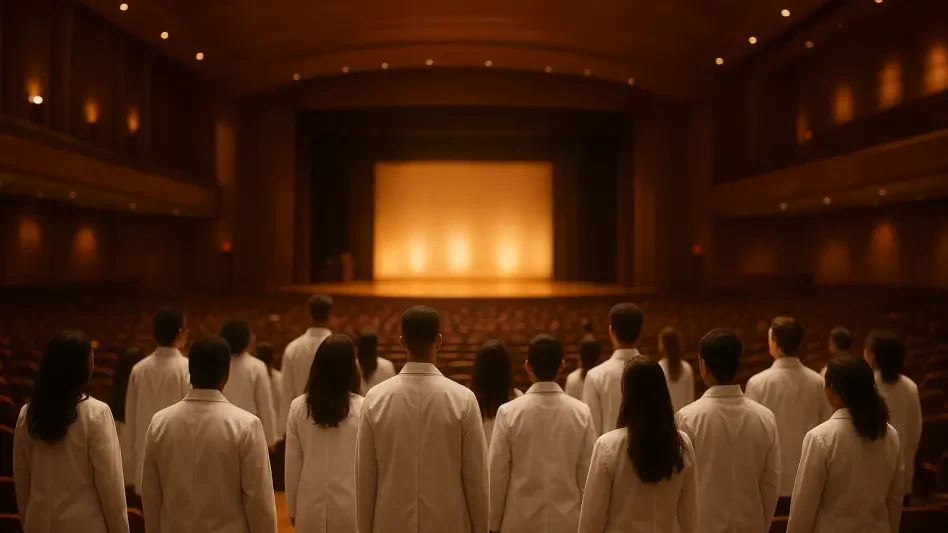
During the individual college ceremonies, WesternU President Robin Farias-Eisner, MD, PhD, MBA, addressed the students regarding the deeper meaning of their new roles. He described the white coat not merely as a uniform, but as a symbolic mantle representing a lifelong commitment to integrity, compassion, and excellence. This formal induction served to remind the students that they are joining a community built on a delicate balance of technical skill and human humility. The president’s words set a high standard for the upcoming years, emphasizing that the journey through health sciences is as much about character development as it is about clinical proficiency. The university’s leadership sought to instill a deep sense of responsibility in the students, highlighting that they are now part of a lineage of healers who prioritize the welfare of others above personal gain. This foundational message resonated through the halls, establishing a collective ethos that would guide the new students.
Ethical Leadership: Integrity in Healthcare Practice
The philosophical foundation of the curriculum is rooted in the idea that a healthcare professional must embody the values they preach to their patients. This ethical mantle is not something that is easily worn; it requires a constant recalibration of one’s priorities to ensure that patient safety and dignity remain at the forefront of every decision. Throughout the orientation sessions, faculty members emphasized that the transition to professional school is a transition into a life of service where the self often takes a backseat to the needs of the vulnerable. This message was reinforced by various speakers who shared their own experiences with the burdens and rewards of medical service. By internalizing these values early, the new cohort is better prepared to face the moral complexities of modern medicine. The university’s commitment to fostering this ethical awareness ensures that students do not just become skilled technicians but remain compassionate healers who are acutely aware of the responsibility of their credentials.
Trust and Sacrifice: The Global Impact of Clinical Service
Discussions during the ceremonies centered on the immense trust that patients place in their healthcare providers, a relationship that forms the bedrock of medical practice. Leadership framed the white coat as a hard-earned badge of perseverance, acknowledging the personal sacrifices and late-night study sessions each student endured to secure their place in the 2026 class. This recognition served to validate their past efforts while simultaneously preparing them for the future challenges inherent in high-stakes medical environments. The university emphasized that while their formal education takes place on the California campus, the skills they acquire will eventually ripple outward to influence healthcare systems on a global scale. By connecting individual academic success to broader societal impacts, the institution encouraged students to view their daily studies as part of a much larger mission of service. This perspective shifted the focus from personal achievement to professional duty, ensuring that the students entered their first week with a clear understanding.
Emotional Duality: Managing Excitement and Professional Nerves
A common theme among the new students was a sense of emotional duality, characterized by a mix of intense excitement and nervous anticipation. For many, the start of classes represented the moment their long-held career goals were finally within reach. This emotional experience reflects the high stakes of medical education, where students are acutely aware of the significant responsibilities they are beginning to shoulder. For many members of the incoming class, the white coat ceremony served as the culmination of years of hard work and academic preparation. Students described the experience as surreal, noting that it marked the official transition from being a student of science to becoming a practitioner of medicine. This shift is a critical psychological step, where theoretical knowledge begins to merge with the practical reality of patient-centered care. The weight of the ceremony was felt by all, as it served as a public declaration of their intent to serve their future communities with absolute dedication.
Collaborative Networks and the Future of Patient Care
Career Realization: The Transition from Student to Practitioner
The realization of career goals is often accompanied by a shift in how students perceive their academic duties. No longer is the goal simply to pass an exam; rather, the objective is to master information that will one day save a life or improve a patient’s quality of life. This professional shift requires a level of discipline that exceeds undergraduate expectations, as the margin for error in healthcare is significantly smaller. During the orientation week, students were introduced to the various clinical simulators and high-tech laboratories that will serve as their training grounds. Seeing these tools in person made the prospect of professional practice feel more tangible and immediate. This transition is also marked by a change in identity, as students begin to refer to themselves by their future professional titles. Embracing this new identity is a necessary part of the maturation process, allowing students to step into their roles with the confidence and maturity required to succeed in a fast-paced environment.
Strategies for Empathy: Humanizing the Clinical Environment
The incoming cohort expressed a strong desire to change public perceptions of healthcare by making clinical environments feel less intimidating. Students in fields like dentistry and pharmacy shared their goals of reducing patient anxiety and creating a more welcoming atmosphere in their future practices. This focus on empathy suggests a generational shift toward prioritizing the patient’s emotional well-being alongside their physical health. By humanizing the clinical experience, these future professionals aim to build stronger relationships with those they serve, leading to higher levels of patient compliance and better health outcomes. The university supports this mission by integrating communication skills and psychological training into the core health sciences curriculum. Understanding that a patient’s fear can be a significant barrier to care allows these students to develop strategies that address the root causes of medical avoidance. This empathetic approach is seen as a key differentiator in the quality of care provided by leaders.
Peer Collaboration: Building Sustainable Support Networks
To manage the academic demands of their programs, students are already focusing on the importance of community and social support. The approachability of the WesternU faculty and the creation of informal peer groups, such as social media chats and sports clubs, are essential components of the student experience. These connections help build the resilience necessary to navigate a rigorous medical curriculum while maintaining personal well-being. Peer collaboration is encouraged as a way to share the cognitive load of complex subjects and to provide emotional support during stressful exam periods. By fostering a culture of mutual aid rather than competition, the university ensures that students are prepared for the collaborative nature of modern healthcare teams. These support networks often last long after graduation, providing a lifelong professional community for the alumni. The emphasis on social integration during Welcome Week helps to mitigate the isolation that can sometimes accompany intensive study, creating a sustainable environment.
Diverse Pathways: Navigating Specialization in Health Sciences
The 1,100 new students bring a wide variety of motivations to the university, ranging from an interest in holistic osteopathic techniques to a passion for veterinary medicine. Many students are entering the field with the intent to combine different areas of expertise, such as public health and nursing, to provide more comprehensive care. This diversity of thought and background enriches the learning environment for the entire campus, allowing for unique interdisciplinary discussions. Some students are focused on serving rural populations, while others aim to work in high-tech urban research facilities. The university’s diverse array of colleges provides a home for these various interests, ensuring that every student has access to the specialized resources they need. This variety also prepares students for the reality of the healthcare workforce, where they will frequently interact with professionals from different disciplines to coordinate care. This environment encourages students to think broadly about their roles and contributions.
Foundational Bridges: The Strategic Role of Preparatory Programs
The Master of Science in Medical Sciences (MSMS) program plays a vital role in the university’s ecosystem by acting as a preparatory bridge for specialized doctoral tracks. This intensive program allows students to prove their academic capability and develop leadership skills before moving into high-level fields like podiatry or pharmaceutical research. Success stories from this track highlight the university’s ability to guide students through the discovery of their specific professional callings. By providing a rigorous foundation in the core medical sciences, the MSMS program ensures that students are well-equipped to handle the even greater demands of doctoral-level work. This pathway is particularly beneficial for those who may have come from non-traditional backgrounds or who wish to solidify their scientific understanding before specializing. The faculty within this program provide intensive mentorship, helping students to refine their career goals and develop the study habits necessary for long-term success in the competitive medical profession.
Sustainable Excellence: Future Directions for Professional Growth
The successful conclusion of the orientation week marked a pivotal moment for the incoming class as they moved from administrative preparation to active academic engagement. Faculty members ensured that every student felt integrated into the campus community, emphasizing the university’s dedication to both professional excellence and personal health. This collective start allowed the 1,100 new health professionals to form bonds that would serve as the foundation for future clinical collaborations. It was clear that the institution prioritized a holistic approach to education, valuing the emotional and ethical development of students as much as their technical mastery. As these individuals began their specific tracks, they carried with them the realization that their work would eventually contribute to the betterment of global health systems. The university provided actionable strategies for maintaining balance, including the utilization of campus counseling and the formation of structured study groups to ensure that the initial energy was sustained for long-term focus.