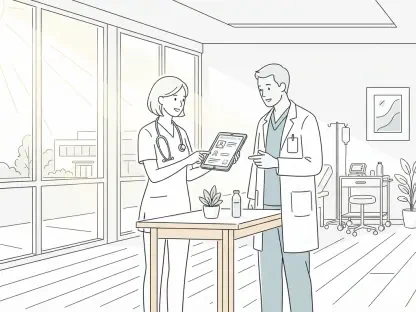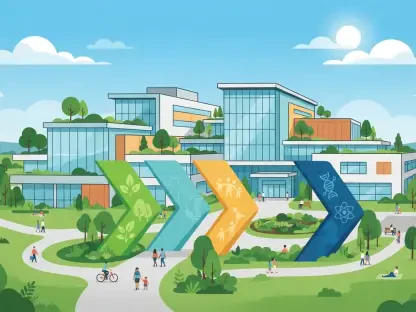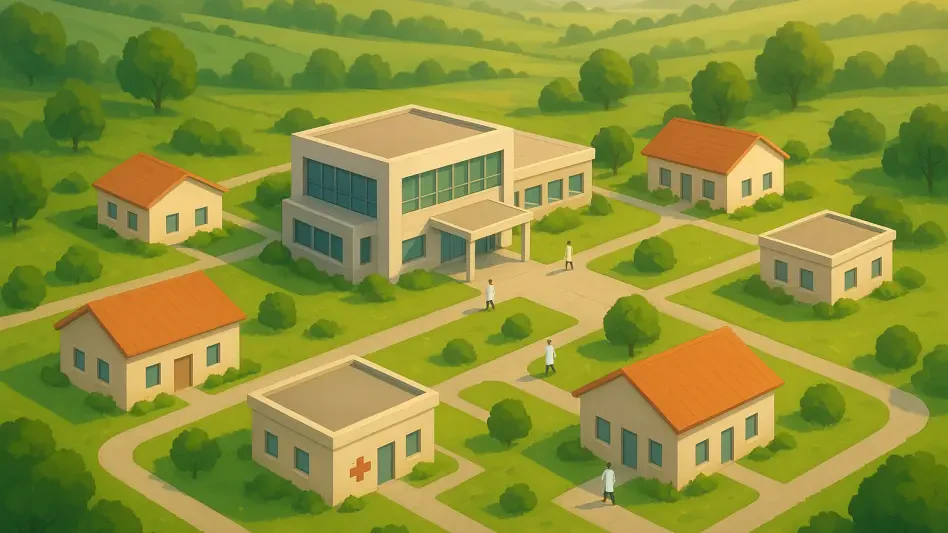

Alfred State College aims to address a severe regional nursing shortage by securing over six million dollars in federal grants for its innovative ‘Curriculum to Career’ program. Senator Chuck Schumer has officially spearheaded this legislative effort to direct nearly $6.2 million in federal funding toward the healthcare infrastructure of rural Western New York. The proposal is specifically designed to counteract the persistent staffing deficits that have plagued local communities, making it increasingly difficult to maintain essential medical services. By utilizing the Department of Labor’s Workforce Opportunity for Rural Communities (WORC) grant program, this initiative seeks to establish a permanent and sustainable pipeline of skilled professionals, particularly focusing on nursing and radiologic technology. The geographical scope of this project encompasses Allegany, Steuben, and Livingston counties, where the need for specialized practitioners has reached a critical juncture. This federal investment represents a major commitment to stabilizing the regional healthcare workforce.
Addressing the Crisis: Healthcare in Western New York
The current healthcare landscape in Upstate New York is characterized by a significant disparity in access to care, with rural residents often bearing the brunt of provider shortages. Recent comprehensive data indicates that sixteen rural counties are currently facing acute gaps in medical coverage, a situation exacerbated by shifting federal policies and increasingly tight municipal budgets. In this environment, local medical facilities have been pushed to their operational limits, struggling to provide consistent care to their respective populations. Senator Schumer’s advocacy emphasizes that the region cannot afford to wait for market forces to correct these imbalances. Instead, a deliberate infusion of federal resources is required to prevent a potential systemic failure. Without a rapid increase in the number of trained personnel entering the field, the ability of these hospitals to serve the public will continue to diminish, leaving thousands of families without reliable options for treatment near their homes.
Specific attention is being paid to the most vulnerable regions, such as Allegany and Wyoming counties, where the density of healthcare professionals per capita has dropped significantly below the state average. This decline is not merely a matter of convenience; it is a fundamental threat to public safety and well-being. Emergency response times and the availability of specialized diagnostic services often depend on having a robust staff of technicians and nurses who live and work within the community. The “Curriculum to Career” initiative recognizes that the unique challenges of rural medicine require a localized solution that focuses on recruiting and training residents who are already invested in these areas. By targeting the specific needs of these three key counties, the program aims to create a self-sustaining ecosystem where education leads directly to local employment. This approach ensures that federal dollars do more than just fill temporary gaps, instead building a foundation for long-term health.
Educational Innovation: Revolutionizing the Medical Pipeline
Alfred State College is prepared to utilize the $6.2 million grant to implement a radical restructuring of its healthcare training modules. The “Curriculum to Career” project is slated to support over 500 participants, offering them a clear trajectory from initial enrollment to professional certification and placement. This transformation moves beyond traditional classroom instruction by integrating high-fidelity simulations and extensive clinical experience into the core curriculum. The objective is to produce graduates who possess not only the theoretical knowledge required for their licenses but also the practical resilience needed for the fast-paced environment of rural clinics. By expanding the number of accredited degree tracks and modernizing existing laboratories, the college plans to accommodate the rising demand for medical education. This strategic investment is intended to remove the bottlenecks that have historically limited the number of students who can successfully complete their training in specialized fields.
One of the most innovative aspects of the new program involves the introduction of microcredentials, which allow current healthcare workers to obtain specific skills and certifications in a condensed timeframe. This flexibility is essential for busy professionals who need to stay current with evolving technology without stepping away from their full-time duties. Additionally, the initiative focuses on eliminating financial obstacles through the provision of paid internships and expanded clinical placements. For many students in the Appalachian region, the cost of education and the loss of income during training have been insurmountable barriers. By providing a financial cushion, the college ensures that talent is not lost due to economic hardship. This surge in support aligns with a period of unprecedented interest in the institution, as recent enrollment figures have reached heights not seen in over a decade. The college is now positioned to convert this high interest into a steady stream of experts ready for immediate hire.
Regional Stability: Partnerships and Economic Growth
The success of the proposed workforce expansion relies heavily on a deep and ongoing collaboration between Alfred State College and prominent regional healthcare providers. Institutions such as Jones Memorial, St. James, and Noyes Memorial hospitals have become integral partners in the design and implementation of the “Curriculum to Career” framework. Hospital administrators and lead medical staff are now working side-by-side with educators to ensure that the skills being taught in the classroom align perfectly with the operational requirements of local medical facilities. This synergy is intended to streamline the onboarding process, making new graduates “job-ready” from the moment they step onto the hospital floor. In the past, the transition from academia to professional practice often required months of additional on-site training. Under this new model, the curriculum is shaped by real-world demands, effectively turning the college into a specialized training hub that directly responds to the staffing needs of its partners.
Stakeholders moved forward with a vision that extended beyond simple recruitment, focusing instead on the long-term economic and clinical health of the Appalachian region. The pursuit of the $6.2 million federal grant signaled a shift toward proactive community investment that recognized the interdependence of healthcare and financial stability. Allegany and Steuben counties, which previously faced stagnant job growth and high poverty rates, gained a viable pathway for residents to enter stable, high-wage careers. Authorities ensured that the WORC program functioned as more than just a temporary fix; it became a catalyst for regional revitalization. Moving forward, the emphasis shifted toward maintaining these high standards of education and ensuring that local hospitals continued to play an active role in professional development. This strategy laid the groundwork for a more resilient medical infrastructure that prioritized local talent and sustainable growth. The model served as a blueprint for other rural areas facing similar demographic challenges across the country.