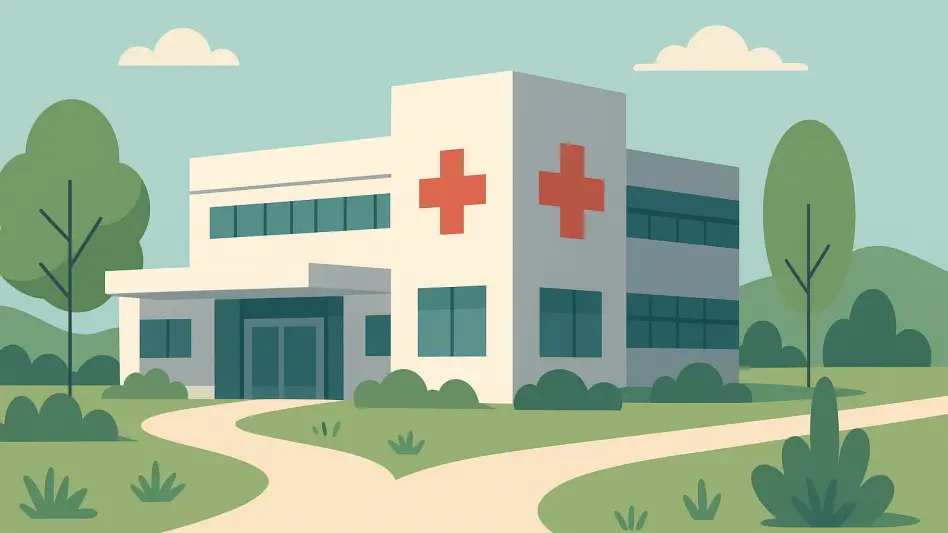

The transition from traditional classroom settings to a 60,000-square-foot simulated hospital allows students to practice high-stakes medical procedures in a controlled space. This landmark achievement by the College of The Albemarle represents a pivotal shift in how rural communities prepare their next generation of medical professionals. For years, the seven-county region of northeastern North Carolina has faced the challenge of maintaining a robust healthcare workforce while dealing with geographic isolation. The new Regional Health Sciences Center addresses these hurdles directly by providing an environment that mirrors the complexities of a modern medical facility. This project is the culmination of strategic planning that began over a decade ago and has now materialized into a flagship institution for the state. By integrating advanced technology with rigorous academic standards, the college ensures that graduates enter the workforce not just with theoretical knowledge, but with the practical instincts required to save lives.
Advancing the Standard of Medical Education
Simulation Technology: Bridging Theory and Practice
The facility functions as a comprehensive ecosystem designed to simulate every aspect of a functioning hospital, from emergency rooms to diagnostic laboratories. Dean of Health Sciences and Wellness Programs, Robin Harris, emphasized that the technological sophistication within these walls allows for a degree of immersion previously unavailable to local students. By utilizing high-fidelity mannequins and real-time monitoring equipment, instructors can recreate high-pressure scenarios that require immediate, accurate decision-making. This shift toward experiential learning ensures that clinical errors occur in the simulation lab rather than on the hospital floor, thereby increasing patient safety across the entire regional network. Furthermore, the center serves as a continuous education hub for existing healthcare professionals who need to refine their skills or learn new protocols. This multifaceted approach strengthens the bond between academic preparation and the professional excellence required by modern medical institutions.
Program Expansion: Meeting Critical Workforce Needs
The growth of the health sciences division from a modest five programs to over 40 distinct offerings highlights the strategic foresight of the college administration. As the demand for medical services in northeastern North Carolina continues to rise, the center acts as a vital pipeline for essential personnel. Student leaders, including nursing class president Natalyia Story, have pointed out that the facility provides a competitive edge, allowing them to gain hands-on experience that makes them immediately employable upon graduation. This alignment between educational output and market needs is critical for the economic stability of the region, as it keeps talented individuals within their home communities while filling high-demand vacancies. By providing a clear pathway from enrollment to employment, the college reinforces its role as an engine for upward mobility. The physical expansion into a larger, more modern space directly translates into a more capable and resilient healthcare workforce that is prepared for current challenges.
Integrating Community Health and Regional Stability
Strategic Partnerships: Building a Unified Medical Network
Beyond its role as a school, the center functions as a cornerstone for collaboration between the college and various regional entities, including local health departments and long-term care facilities. COA President Jack Bagwell and Board of Trustees Chair Selina Jarvis have articulated that the facility is a shared resource intended to elevate medical service quality across the entire geographic area. These partnerships facilitate a seamless transition for students entering clinical rotations and provide a framework for joint initiatives that address specific regional health disparities. By acting as a central node for the medical community, the center encourages the sharing of best practices and the standardization of care. This collaborative environment also attracts high-caliber faculty and specialized researchers who are drawn to the cutting-edge infrastructure. Ultimately, the presence of such a facility signals to potential investors and new residents that the region is committed to maintaining a high quality of life.
Long-Term Impact: Sustaining Regional Health Excellence
The long-term success of this initiative relied on the integration of clinical excellence with a clear vision for regional economic development. Stakeholders recognized that investing in healthcare infrastructure was a proactive response to the increasing medical needs of an aging population and the anticipated growth of the local economy. Moving forward, the focus shifted toward maximizing the utility of the facility by expanding telehealth training and cross-disciplinary simulations that reflect the evolving nature of global medicine. Educational leaders prioritized the creation of specialized certifications that addressed emerging health trends, ensuring the curriculum remained relevant and rigorous. By fostering a culture of innovation and resilience, the center provided a blueprint for other rural regions seeking to revitalize their healthcare systems. The completion of this project marked a definitive step toward a self-sufficient medical community where residents received world-class treatment without having to travel long distances.