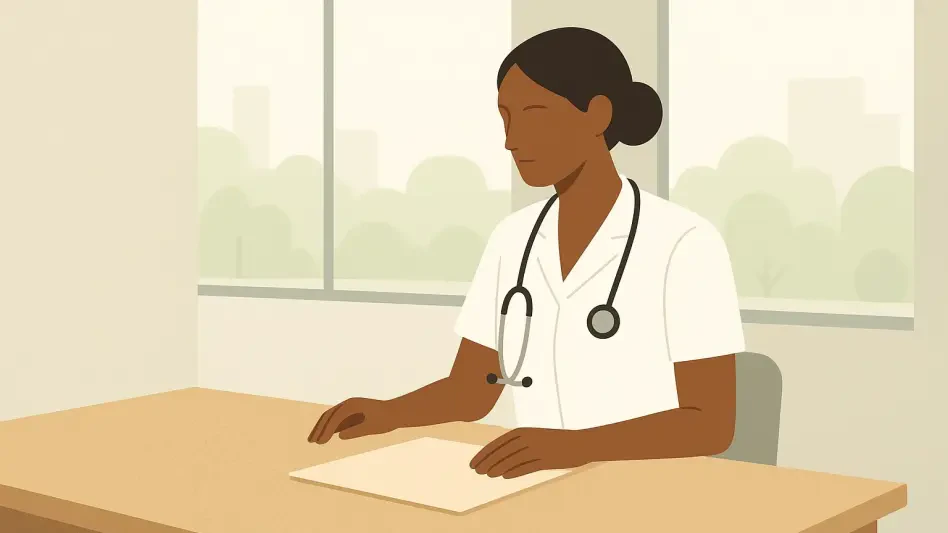

Early nurse practitioners like Ginger Edwards entered a workforce where the medical establishment often reacted with confusion or professional skepticism toward nurses performing tasks traditionally reserved for doctors. During the mid-1970s, Virginia Commonwealth University recognized that the prevailing physician shortage was not merely a temporary hurdle but a systemic crisis requiring a revolutionary educational response. By positioning nursing as a cornerstone of primary care, the university shifted the focus away from a purely supportive role toward one of clinical independence and leadership. This transition was marked by a quiet but persistent movement that challenged traditional medical hierarchies while expanding the definition of what a healthcare professional could achieve. As the first institution in Virginia to launch a graduate nursing program, the university established a rigorous framework that emphasized diagnostic skill and patient management. This early commitment ensured that nurse practitioners would become essential pillars of the American health system, bridging the gap for diverse populations while maintaining the highest clinical standards.
Advancing Professional Identity and Clinical Integration
Educational Evolution: From Certificates to Doctoral Mastery
The academic growth at the university has mirrored the rising clinical expectations of the healthcare industry, evolving from early certificate programs to advanced doctoral degrees. Following the launch of the first graduate nursing curriculum in 1968, the institution transitioned its nurse practitioner certificates into a comprehensive master’s program by 1985. This shift was not merely administrative; it represented a fundamental change in how the medical community perceived the capabilities of nursing professionals. By increasing the depth of clinical education, the university ensured that its graduates could provide sophisticated care that matched the complexity of modern patient needs. These academic benchmarks provided the necessary credibility for nurses to assume roles that were previously restricted to physicians. The rigorous training fostered a sense of professional identity that allowed nurses to stand on equal footing with their peers in the medical field, setting a high standard for other institutions across the nation.
As the landscape of healthcare continued to evolve, the institution eventually moved toward a Doctor of Nursing Practice model to address systemic challenges. This educational trajectory ensured that graduates were not just highly skilled clinicians, but also strategic leaders capable of implementing solutions in complex medical environments. The curriculum expanded to include healthcare policy, advanced research applications, and organizational management, preparing nurse practitioners to lead interdisciplinary teams. This level of expertise is essential in an era where chronic disease management requires a sophisticated understanding of both biological and institutional factors. The university’s emphasis on continuous academic elevation has created a pipeline of specialists who are equipped to direct clinical departments and influence hospital protocols. By moving beyond the technical aspects of care, the program empowered a new generation of nurses to take full ownership of the patient experience while providing care that is both scientifically grounded and deeply accessible.
Collaborative Models: Bridging the Physician-Nurse Gap
The successful integration of nurse practitioners into the workforce was made possible through the support of forward-thinking physician allies who recognized their diagnostic potential. Figures like Dr. George Vetrovec at the VCU Health Pauley Heart Center championed the model, realizing that empowered nurses could streamline patient care and improve long-term outcomes. This collaboration required a significant shift in the medical mindset, acknowledging that an NP’s ability to assess patient health was a natural extension of their existing expertise. By creating environments where physicians and nurses worked as equal partners, the institution demonstrated that a team-based approach was superior to the traditional siloed model. These early pilot programs served as a blueprint for modern clinical practice, proving that when professional boundaries are blurred in favor of patient needs, the entire system benefits. This cultural change was essential for the survival and growth of the profession.
Building on this foundation of trust, the university implemented collaborative clinical rotations that allowed students to work alongside medical residents. This interprofessional education helped to dismantle the professional resistance that the first cohorts of nurse practitioners encountered. By training together, the next generation of doctors and nurses learned to appreciate each other’s unique strengths and perspectives. This approach naturally led to a more cohesive healthcare delivery system where the nurse practitioner was seen as a vital diagnostic partner rather than a subordinate. The impact of this clinical integration is still felt today, as nurse practitioners now manage significant patient panels with a level of autonomy that was once unimaginable. The institution’s commitment to fostering these professional relationships ensured that the transition from a doctor-centric model to a collaborative one was both smooth and effective, ultimately resulting in a more resilient and responsive healthcare workforce.
Legislative Reform and Patient-Centered Advocacy
Strategic Influence: Securing Professional Autonomy
Political advocacy became a necessity for faculty and alumni, who played a central role in drafting the regulations that govern the nurse practitioner profession today. Trailblazers like Judy Collins established the VCU Health Policy Office to bridge the gap between clinical practice and legislative action. By bringing lawmakers into clinical settings, they provided direct evidence of the effectiveness and safety of the nurse practitioner model. These efforts were crucial in educating the public and the legislature about the value of advanced practice nursing. The advocacy work was not just about professional status; it was about ensuring that patients in underserved areas had access to high-quality care. Through persistent lobbying and public testimony, the university helped to create a legal framework that recognized the advanced training of nurse practitioners. This strategic influence was a key factor in moving the profession toward greater independence and clinical authority.
These decades of persistent advocacy culminated in the landmark 1991 victory that secured prescriptive authority for nurse practitioners in Virginia. Before this legislative change, NPs were required to have a physician sign every prescription, a bureaucratic barrier that often hindered efficient patient care. The new law finally recognized their professional competence, granting them the independent authority needed to serve as full primary care providers. This victory was a turning point for the profession, as it allowed nurse practitioners to manage the full spectrum of patient care without unnecessary delays. The institution’s role in this legislative battle cannot be overstated, as its faculty provided the research and clinical data needed to convince skeptical lawmakers. By securing prescriptive authority, the university helped to remove one of the most significant obstacles to independent practice. This success paved the way for future reforms and solidified the role of the nurse practitioner as a primary provider.
The Nursing Model: Addressing Social Barriers
A core philosophy at the institution is that a nurse practitioner remains a nurse first, utilizing a framework that differs significantly from the traditional biological medical model. While physicians often focus strictly on disease states, VCU-trained NPs prioritize a holistic approach that considers a patient’s entire life context. This perspective ensures that healthcare is comprehensive, addressing both physical symptoms and the social factors that influence them. From 2026 to 2028, current initiatives focus on expanding this model to include more robust screenings for environmental health risks. By focusing on the “nurse first” mentality, the program emphasizes empathy and communication as much as clinical accuracy. This approach allows practitioners to build deeper relationships with their patients, which leads to better adherence to treatment plans and improved overall health. This commitment to a holistic perspective remains the hallmark of the university’s influence on the profession.
Modern graduates are trained as proactive problem-solvers who tackle the social determinants of health, such as food insecurity and community environment. Leaders like Dr. Lana Sargent and Dean Patricia Kinser emphasize that managing a condition like diabetes requires understanding a patient’s access to resources, not just their blood sugar levels. This strategy involves partnering with local organizations to address housing instability and transport issues as part of a clinical treatment plan. By training nurse practitioners to look beyond the clinic walls, the university has prepared them to meet the challenges of a diverse and often disadvantaged patient population. This focus on social advocacy ensures that healthcare is not just a medical service, but a tool for community empowerment. The university’s legacy of holistic care has transformed the profession into a powerful force for social change, proving that a nurse practitioner’s impact extends far beyond the examination room and into the heart of the community.
Healthcare organizations recognized the need for similar nursing leadership models and integrated these protocols into their primary care systems. These institutions fostered a generation of leaders who removed administrative barriers and promoted equitable access across clinical environments. Practitioners implemented advanced diagnostic strategies that allowed for more precise intervention in high-risk communities. By prioritizing clinical excellence alongside social advocacy, the healthcare sector ensured that graduates were prepared to address the most pressing challenges of the modern era. This comprehensive strategy solidified the role of the nurse practitioner and set a high standard for collaborative medicine. As a result, the national health landscape became more resilient, and the role of the nurse practitioner was finalized as an indispensable component of effective healthcare delivery. These actions established a clear path forward for future policy shifts and clinical innovations that prioritized patient outcomes over professional boundaries.