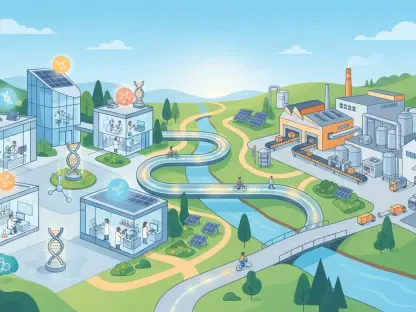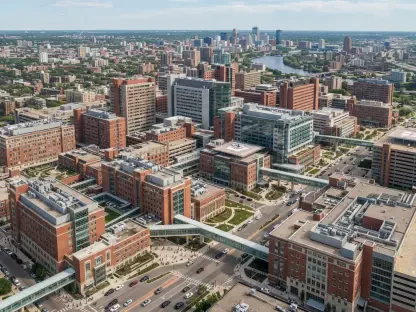

The university identifies the necessity of collaboration as a primary driver behind the creation of this integrated undergraduate health degree. As global medical challenges become increasingly intricate, the traditional model of isolated specialty training is proving insufficient for the multifaceted demands of the modern era. The University of Alberta has responded by launching the Bachelor of Health Sciences, a program designed to dismantle the barriers that have historically separated different medical disciplines. By welcoming its inaugural cohort of 150 students, the institution is setting a precedent for how higher education can evolve to meet the needs of a rapidly changing societal landscape. This degree does not merely add another option to the academic catalog; it fundamentally transforms the way graduates approach the prospect of a career in health. It encourages a broader understanding of how clinical practice and policy intersect to create a more resilient system for all patients.
Medical Education: Rethinking the Interdisciplinary Model
Academic Foundations: Bridging Silos for Modern Care
The structural backbone of the Bachelor of Health Sciences is built upon the collaborative strength of six distinct faculties, including Kinesiology, Sport, and Recreation, along with Medicine and Dentistry, Nursing, Pharmacy, Public Health, and Rehabilitation Medicine. This convergence of expertise represents a significant departure from conventional academic structures where students are often siloed within a single department from their very first day of study. Instead, the program fosters a rich environment where diverse perspectives on human wellness are integrated into a cohesive learning journey. By exposing students to the methodologies of both physical therapy and pharmaceutical sciences simultaneously, the curriculum ensures that future leaders possess a holistic view of patient care. This approach is essential for addressing the chronic conditions that dominate the current healthcare landscape. Such integration allows for a more comprehensive understanding of the entire industry spectrum today.
Program Concentrations: Targeted Specialization and Application
Students within the program are invited to select from three distinct concentrations: Population and Public Health, Health Systems Innovation, or Mental Health and Well-being. Each of these streams is tailored to address specific gaps within the current workforce, ensuring that graduates are prepared for the unique challenges of the next several years. For instance, the Health Systems Innovation track focuses on the technological and administrative advancements necessary to streamline care delivery, while the Mental Health stream prioritizes the psychological aspects of community wellness. These specializations are not merely theoretical; they are grounded in the current realities of the global health environment. By offering these focused pathways, the university allows students to develop specialized knowledge that remains highly relevant. This targeted approach ensures that every graduate enters the workforce with a distinct set of skills that can be immediately applied to improve health services efficiently.
Professional Outcomes: Impacting the Health Landscape
Leadership Development: Cultivating Career Versatility
The Bachelor of Health Sciences serves as a versatile credential that opens doors to both immediate employment and advanced professional studies. For those aiming for leadership roles in health administration or public policy, the degree provides a robust foundation in systemic thinking and collaborative management. Alternatively, for students intending to pursue clinical designations in medicine, dentistry, or pharmacy, the program offers a rigorous preparatory track that emphasizes the interdisciplinary nature of modern practice. This dual utility makes the degree an attractive option for a wide range of students, regardless of their ultimate career aspirations. By breaking down the traditional academic silos, the university is cultivating a new generation of health leaders who are capable of navigating complex, multi-professional environments with ease. These graduates will be uniquely positioned to drive innovation and lead teams that require a sophisticated understanding of how various health sectors interact.
Strategic Growth: Integrating Future Community Health
The University of Alberta successfully positioned this new degree as a strategic investment in the long-term health of the community by prioritizing adaptability and synergy. Educators and administrators recognized that the medical landscape required a workforce capable of more than just technical proficiency; it demanded visionaries who understood the holistic nature of human wellness. By implementing this interdisciplinary framework, the institution provided a clear roadmap for future health leaders to follow. The program effectively balanced the need for specialized knowledge with the broader requirement for collaborative skills, ensuring that graduates remained relevant in an ever-shifting professional environment. Moving forward, the focus shifted toward expanding these collaborative efforts to include even more diverse fields, such as data science. This evolution suggested that the most successful health strategies would continue to depend on the ability to integrate disparate ideas into a unified approach for improving local community health.