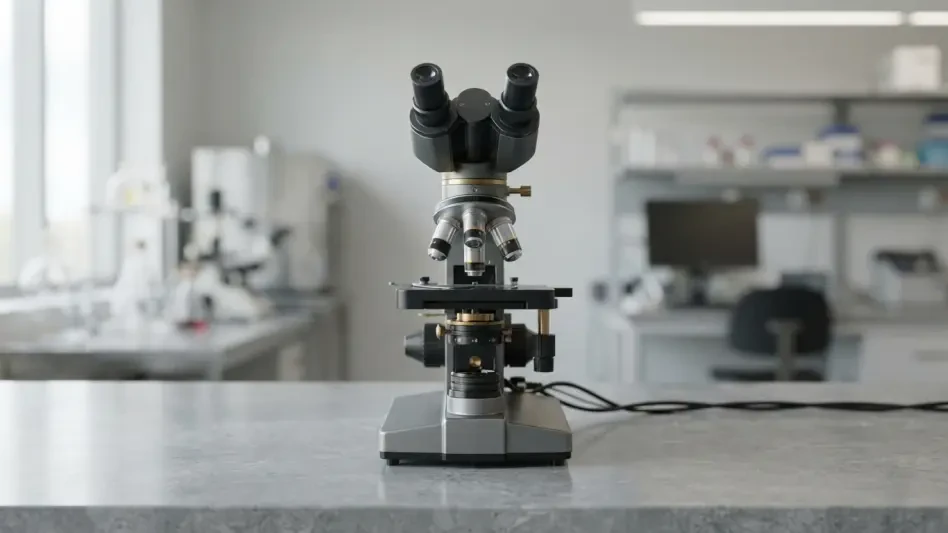

Forming a professional identity requires students to bridge the gap between abstract scientific theories and the high-stakes responsibilities of a clinical laboratory. This transformation is not a byproduct of academic endurance alone but a deliberate journey that defines the future of medical diagnostics. In 2026, the demand for precision in healthcare has never been higher, making the evolution of biomedical laboratory science (BLS) students into competent professionals a critical area of study. Research published in BMC Medical Education delves into this multifaceted process, tracking how trainees move beyond textbook knowledge to internalize the values and ethics of the clinical environment. By examining the trajectory of a three-year undergraduate program, scholars have identified that becoming a scientist involves a complex negotiation of technical mastery and social integration. This transition is characterized by shifting perceptions of role responsibility, where students must align their personal motivations with the rigorous demands of patient care.
Utilizing the Communities of Practice Theory
To effectively analyze the formation of professional identity, educational researchers frequently turn to Etienne Wenger’s “Communities of Practice” theory as a sociological lens. This framework posits that learning is fundamentally a social process, occurring through three distinct dimensions: imagination, engagement, and alignment. In the context of biomedical laboratory science, this means that students are not merely absorbing data in isolation but are gradually being assimilated into a specialized culture with its own language and behavioral norms. By applying these lenses, the study categorized how students at different levels of their education perceive their technical knowledge and their overall integration into the broader healthcare landscape. Understanding these dimensions allows educators to see that professional maturity is not just about passing exams; it is about how a student begins to see themselves as a vital link in the diagnostic chain, contributing to a collective goal of medical accuracy and patient health.
The implementation of this social learning model reveals that peer interaction and clinical immersion are just as vital as theoretical instruction. When students engage with one another in semi-structured environments, they move beyond the passive reception of information and begin to articulate their own professional boundaries. This dialogue facilitates a shared understanding of what it means to be a scientist, allowing trainees to navigate the complex social structures of the modern hospital. In 2026, where collaborative diagnostics and interdisciplinary teams are the standard, the ability to communicate across professional lines is paramount. The study emphasizes that these social connections provide a safety net for students as they encounter the high-pressure realities of clinical work. By fostering a sense of belonging early on, educational programs can ensure that students do not feel like outsiders but rather like contributing members of a community dedicated to upholding the highest standards of laboratory medicine.
Developmental Phases: From Imagination to Engagement
During the foundational year of the undergraduate program, students typically operate within what is described as the “imagination” phase of development. At this juncture, clinical exposure is limited, meaning their understanding of the laboratory profession is largely constructed from preexisting personal expectations and media-influenced stereotypes. Many students enter the field with a generalized interest in science or a vague desire to help patients, but the day-to-day reality of high-throughput testing remains an abstract concept. This aspirational connection is necessary for motivation, yet it lacks the grounding provided by technical reality. Without the direct experience of managing critical samples or navigating the ethical dilemmas of diagnostic reporting, their professional identity remains fluid and idealistic. Educators recognize that this phase is a critical window for setting the tone of the program, as it is during these early months that students first begin to visualize their place within the expansive healthcare infrastructure.
As the curriculum moves into the second year, the focus shifts toward “engagement” through direct laboratory coursework and authentic clinical placements. This period acts as a powerful catalyst for professional growth, forcing students to bridge the gap between classroom theory and the functional realities of a working laboratory. During these placements, the stakes become tangible; the data they produce is no longer just for a grade but represents a real person’s diagnosis. Engagement allows trainees to practice the technical skills required in a diagnostic setting, from the calibration of complex machinery to the interpretation of nuanced results. This immersive experience helps demystify the profession, replacing abstract imagination with a concrete understanding of operational duties. By observing veteran scientists and participating in the daily workflow, students start to internalize the precision and accountability required for medical diagnostics. This phase is essential for developing the manual dexterity and critical thinking skills that define the laboratory specialist.
Navigating Professional Maturity: Alignment and Insights
By the final year of the degree, students demonstrate a growing “alignment” with the core professional values that define the healthcare community. They transition from merely performing tasks to understanding the systemic impact of their work on patient safety and diagnostic quality. This stage is marked by an internalization of medical ethics and a commitment to the standards of the biomedical community. As they prepare for graduation in 2026, these seniors begin to see themselves as guardians of diagnostic integrity rather than just students of science. They understand how their specific role fits into the larger diagnostic ecosystem, recognizing that a single error can have cascading effects on patient outcomes. This sense of responsibility is the hallmark of professional maturity. Educational institutions that provide structured opportunities for reflection during this time help solidify this alignment, ensuring that graduates enter the workforce with a clear sense of purpose and a deep respect for the protocols that keep patients safe.
The findings suggested that a proactive approach to professional identity formation significantly reduced the turnover rate among new graduates. Stakeholders in the healthcare industry recognized that by supporting students during the phases of imagination and engagement, they cultivated a workforce capable of adapting to the rapid technological shifts of 2026 and beyond. Future curriculum designs would likely benefit from increased emphasis on the ethical implications of data science and automation, which are becoming integral to the biomedical laboratory. Furthermore, developing mentorship programs that connect senior practitioners with second-year students provided the necessary guidance to navigate the “engagement” phase more effectively. These insights underscored that the path to becoming a scientist was as much about psychological and social growth as it was about academic achievement. By addressing the nuances of occupational fit early on, the medical community established a foundation for a resilient generation of experts ready to handle modern diagnostic services.