
First-year nursing students frequently report a lack of confidence and courage when faced with the difficult emotional needs of patients during their initial clinical rotations. This phenomenon is often attributed to a persistent rift between classroom theory and the visceral reality of bedside care. In the current 2026 healthcare climate, humanistic care has transitioned from a supplementary skill to a fundamental requirement for patient recovery and satisfaction. However, traditional nursing curricula often rely on rote memorization that fails to prepare students for the emotional labor required in a clinical setting. To address this, academic researchers have introduced a multicomponent instructional framework that merges scenario-based simulation with the structured 3C-guided reflection model—Context, Content, and Course. By simulating high-stakes interpersonal encounters, educators aim to provide a safe harbor for students to explore their professional reactions without compromising patient safety, ultimately fostering a more resilient and empathetic workforce ready for today’s medical challenges.
Developing Immersion: The Instructional Framework
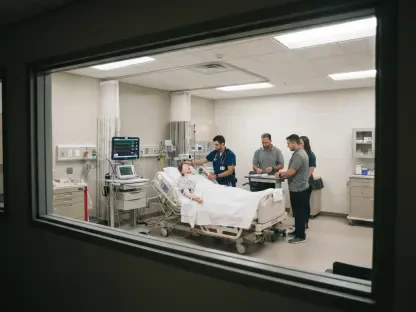
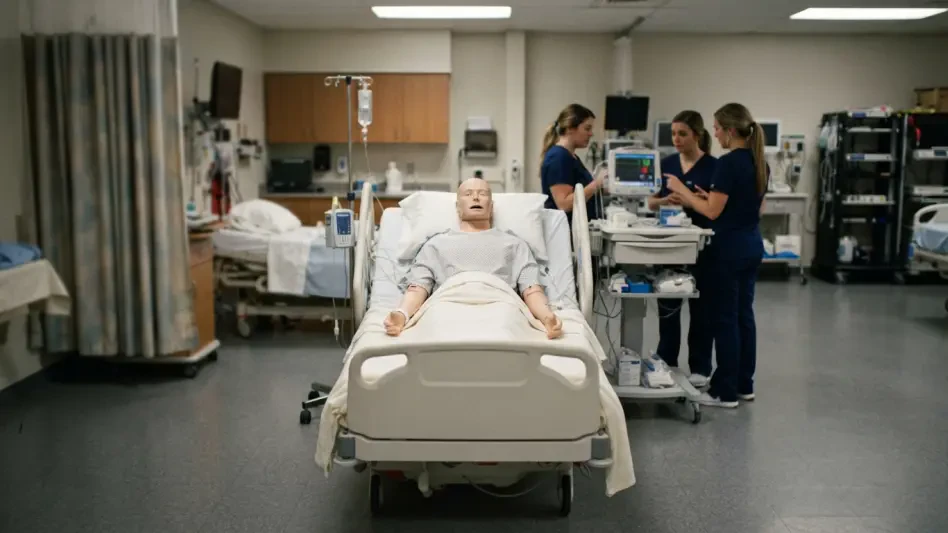
The cornerstone of this modern educational approach is a 160-minute instructional session that intentionally deviates from passive learning models. It is structured into four distinct 40-minute phases, beginning with foundational theoretical instruction that establishes the core tenets of humanistic care. This is immediately followed by immersive clinical simulations, where students are thrust into realistic scenarios requiring both technical skills and emotional intelligence. The third phase introduces the 3C-guided reflection, a structured debriefing process that compels students to analyze the situational Context, the specific Content of their actions, and the developmental Course of the interaction. Finally, the session concludes with a summary and assessment to lock in the day’s lessons. By centering the learning process on reflective practice theory, this model ensures that students do not just observe care but actively inhabit the role of a caregiver, allowing for a deeper cognitive integration of the professional responsibilities they will soon face.
Research Design: Validating Educational Outcomes
To validate the effectiveness of this simulation-based model, researchers conducted a comprehensive study involving 350 first-year undergraduate nursing students in Guizhou Province. Utilizing a sequential explanatory mixed-methods design, the study organized participants into a cluster randomized trial where seven intact classes were assigned to either the experimental group or a traditional lecture-based control group. This design ensured ecological validity, maintaining the natural classroom dynamic while providing a robust statistical baseline. The researchers utilized several standardized metrics, including the Caring Ability Inventory and theoretical knowledge tests, to measure the objective impact of the training. By collecting data through both quantitative surveys and qualitative interviews, the team aimed to capture a holistic view of the student experience. This rigorous methodological framework allowed for a clear comparison between the immersive, reflection-heavy intervention and the standard educational protocols that have dominated nursing schools for decades.
Quantitative Success: Measuring Professional Growth
The quantitative findings from the trial revealed a striking improvement in the professional capacities of students who participated in the reflective simulation sessions. Data analysis showed that the intervention group achieved Caring Ability Inventory scores that were nearly 20 points higher on average than those in the control group. This statistically significant margin suggests that the combination of simulation and reflection directly enhances the three core pillars of nursing: understanding, courage, and patience. Students demonstrated a heightened ability to grasp the nuanced emotional needs of their patients, a skill that often takes years to develop in traditional settings. Furthermore, the simulation environment appeared to bolster their professional courage, giving them the confidence to advocate for patient care even in stressful or ambiguous situations. This measurable growth in the affective domain indicates that humanistic care is not merely an innate personality trait but a professional competency that can be systematically cultivated through targeted, evidence-based educational interventions.
Academic Synergy: Linking Practice to Theory
In a significant development, the study also found that students in the intervention group outperformed their peers in theoretical knowledge assessments. This outcome challenges the long-held belief that time spent on simulations might detract from the mastery of core academic material. Instead, the evidence suggests that the “experience–reflection–abstraction” cycle actually serves to solidify theoretical concepts by providing a practical context for abstract ideas. When students see how a theory applies to a simulated patient encounter, the information becomes more meaningful and easier to recall during testing. This synergistic relationship between practice and theory highlights the importance of moving away from siloed teaching methods. By integrating reflective debriefing as a core component of the learning process, educators can ensure that students are not just memorizing facts for an exam but are building a functional knowledge base that they can readily apply in a clinical environment. This holistic approach to nursing education sets a new standard for academic rigor.
Internal Transformation: The Journey of Empathy
Beyond the statistical data, qualitative interviews with the participating students provided a detailed look into the psychological shifts sparked by the simulation. Many participants described an “empathy awakening,” where the act of stepping into the role of a caregiver for a simulated patient transformed their intellectual understanding of compassion into a visceral emotional response. This shift is critical because it moves the concept of humanistic care from a textbook definition to a lived experience. Furthermore, the 3C-guided reflection facilitated a process of cognitive reconstruction. Students were forced to examine their preconceived notions about the nursing profession and dismantle any biases or fears they brought to the clinical floor. By analyzing the “Course” of their interactions during debriefing, they began to view care as a deliberate and strategic professional action rather than a random act of kindness. This maturation of thought indicates that reflective simulation effectively prepares the student’s internal mindset for the heavy emotional demands of the modern healthcare sector.
Future Horizons: Sustaining Humanistic Standards
The study established that integrating structured reflection with scenario simulation provided a powerful mechanism for closing the pedagogical rift in nursing education. While the immediate gains in caring ability were evident, the research suggested that the long-term sustainability of these skills required further longitudinal investigation and multi-center trials. Academic institutions were encouraged to adopt these short-burst immersive strategies to modernize their curricula and prioritize the humanistic element of healthcare from the onset of training. It was determined that the safe environment of the laboratory allowed students to practice managing clinical anxieties, which effectively bridged the gap between theory and actual practice. Moving forward, educators considered incorporating objective clinical assessments, such as direct observation of patient interactions, to supplement self-reported data. By committing to this multifaceted approach, the nursing profession moved toward a future where technical proficiency and human compassion were equally valued.