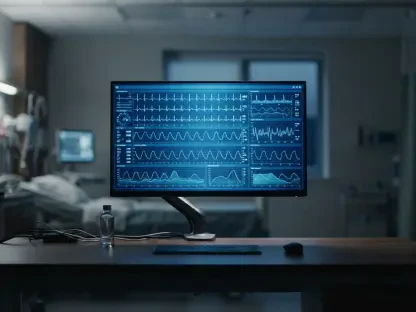

Leading oncologists like Dr. David Waterhouse suggest that the future of cancer care lies in leveraging technology for prevention rather than just reacting to the presence of disease. In the current landscape of 2026, the medical community has moved beyond the experimental phases of digital health and entered a period where data-driven insights are the standard for clinical excellence. This paradigm shift emphasizes the proactive identification of high-risk signatures before physical symptoms emerge, fundamentally changing the patient journey. By utilizing advanced computational frameworks, hospitals can now aggregate vast datasets that were previously siloed, allowing for a more comprehensive view of patient health. This transition toward predictive oncology is not just a technological upgrade but a complete overhaul of the diagnostic philosophy. It fosters an environment where survival rates are increased by the speed of identification, ensuring that treatment begins at the most critical juncture.
The Evolution of Intelligent Diagnostics
Precision Imaging: Improving Pattern Recognition
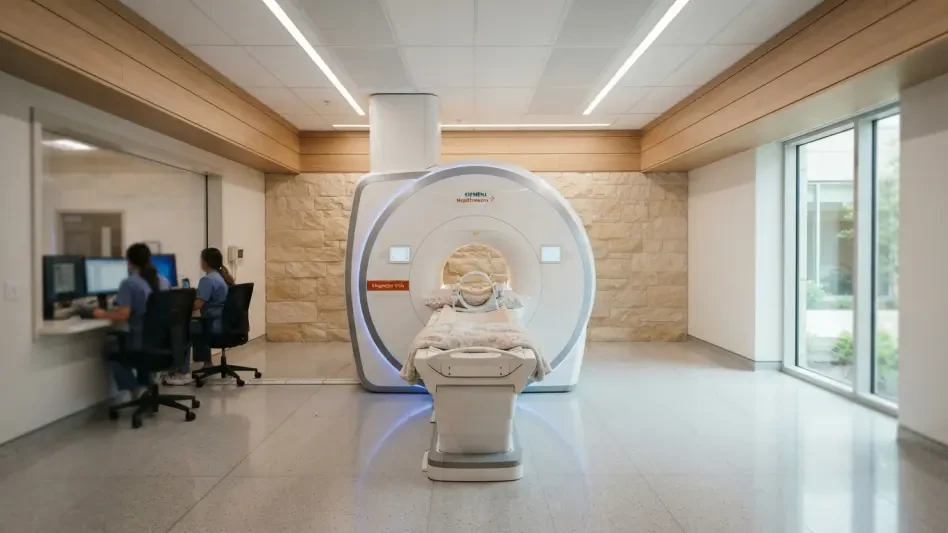
Modern radiology has seen a significant transformation through the application of deep learning models that analyze imaging data with unprecedented granularity. At facilities like the Mayo Clinic, specialized AI protocols have demonstrated the ability to detect the subtle precursors of pancreatic cancer on standard CT scans up to three years earlier than traditional radiological assessments. These models function by identifying minute density variations and structural textures that often remain invisible to the human eye. This razor-edge detection is critical for aggressive malignancies where every month of lead time translates to significantly higher chances of successful intervention. The technology serves as a tireless second set of eyes, screening thousands of images per hour without the fatigue that can lead to human error. By flagging suspicious regions for closer inspection, these tools ensure that radiologists can focus their expertise on the most complex cases, ultimately optimizing the entire diagnostic workflow.
Specialized Applications: Overcoming Historical Limitations
The initial challenges faced by early healthcare AI systems, such as the widely discussed limitations of platforms like IBM’s Watson, provided essential lessons for today’s more specialized applications. Instead of attempting to replace the oncologist, contemporary tools act as supportive clinical assistants that excel at specific tasks like pattern recognition and genomic sequencing. This shift toward narrow, high-precision AI has led to more reliable outcomes and increased trust among medical professionals. For example, in breast cancer screening, AI algorithms are now routinely used to categorize mammographic findings, reducing the frequency of both false positives and false negatives. These improvements are vital for preventing unnecessary biopsies while ensuring that no legitimate threat is overlooked. By refining the accuracy of these initial screenings, healthcare providers are able to streamline patient care pathways, ensuring that resources are directed toward those who need them most while maintaining a high standard of diagnostic rigor.
Strategic Integration: The Human-Machine Partnership
Empowering Patients: The Role of Information Access
A notable trend in 2026 involves the evolving way patients interact with their own health data through the use of generative intelligence tools. Individuals are increasingly utilizing large language models to interpret their screening results or to draft potential treatment questions before their appointments. This shift has transformed the traditional doctor-patient dynamic into a more collaborative partnership where patients arrive more informed and prepared to discuss specific therapeutic avenues. While clinicians still provide the necessary oversight to correct any misinformation, the availability of these tools has significantly reduced patient anxiety by demystifying complex medical terminology. This democratization of information allows for a more personalized approach to care, as patients can better understand the nuances of their diagnosis. As these technologies continue to evolve from 2026 to 2028, the focus will remain on ensuring that the information provided to the public is both accurate and integrated into the broader clinical framework.
Realized Outcomes: Establishing a New Clinical Standard
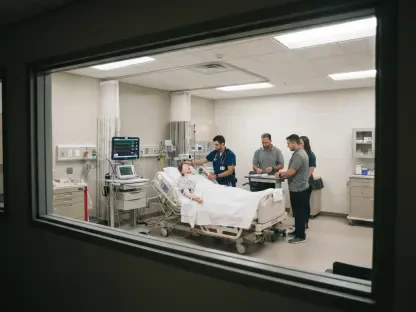
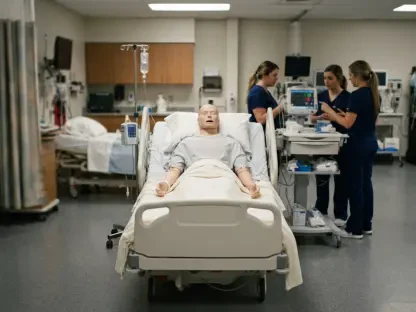
The successful integration of these advanced technologies into daily oncological practice proved that the most effective weapon against cancer is a synthesis of human judgment and machine precision. By establishing clear guidelines for responsible use, the American Society of Clinical Oncology ensured that technology remained a supportive tool rather than an autonomous decision-maker. This approach allowed medical teams to prioritize patient-centric care while benefiting from the rapid data processing capabilities of modern algorithms. To maintain this momentum, healthcare organizations invested in continuous training programs that taught staff how to interpret AI-generated alerts within the context of individual patient histories. Moving forward, the priority shifted toward expanding access to these diagnostic breakthroughs in underserved communities to ensure equitable health outcomes. By focusing on the refinement of early detection protocols and the standardization of digital screening across all regions, the industry solidified a new standard of care.