
A nationwide multicenter study covering fourteen Egyptian medical schools reveals that trainees currently maintain an intermediate level of self-perceived skill in cross-cultural clinical interactions. This research, recently published in the journal BMC Medical Education, marks a significant milestone in understanding the preparedness of the next generation of healthcare providers in a rapidly diversifying social landscape. As medical systems globally move toward more personalized and equitable care models, the ability to navigate cultural nuances has transitioned from a supplementary skill to a core professional requirement. This pioneering investigation addresses a longstanding gap in the regional literature by offering an empirical assessment of how medical students and interns perceive their own capabilities. By establishing this baseline, the study provides a roadmap for reducing healthcare disparities and improving the overall quality of services within the Egyptian health sector through a more nuanced, patient-centered approach to medical education and practice.
Measuring Competency in Diverse Clinical Environments
The researchers implemented a robust multicenter design that encompassed a diverse cohort of 1,645 participants from fourteen distinct medical institutions across the country. To ensure the findings reflected a wide spectrum of experience, the study included students from every undergraduate year as well as medical interns who are already beginning their clinical practice. Data collection was carried out over a five-month period ending in early 2026, utilizing convenience sampling to gather a representative demographic profile. The average age of the participants was 21.8 years, with a slight female majority comprising 53.7 percent of the total sample. This significant sample size allowed the team to utilize advanced statistical tools, including multivariable linear regression models, to isolate the specific sociodemographic and educational factors that contribute to a student’s sense of clinical competence. By doing so, the study moved beyond mere anecdotal evidence to provide a data-driven foundation for future academic policy.
Assessing Self-Perceived Skill in Patient Interactions
A primary focus of the investigation was self-perceived skill, where trainees achieved a mean score of 3.55 on a 5-point scale. This intermediate level suggests that while students possess a foundational comfort level, they have not yet reached professional mastery in cross-cultural clinical interactions. The analysis revealed a clear distinction between technical communication and cultural complexity. Students reported the highest levels of confidence when performing basic tasks, such as identifying a patient’s Arabic literacy level or taking a detailed social history. However, their confidence plummeted when faced with more nuanced scenarios, such as counseling patients about the use of complementary and alternative medicine or managing deep-seated patient mistrust. These gaps indicate that the current curriculum effectively teaches the mechanics of a medical interview but struggles to equip students with the psychological and cultural tools necessary to navigate the complex beliefs that often dictate patient behavior in the region.
Analyzing Theoretical Knowledge and Cultural Awareness
Parallel to clinical skill, the study measured cultural awareness, with participants scoring a mean of 4.69 on a 7-point scale. The results from the Modified Cultural Awareness Scale indicated a top-heavy structure of competence, where students performed exceptionally well in cognitive awareness and clinical issues. This suggests that the theoretical importance of diversity is well-understood by trainees, who recognize that culture plays a vital role in health outcomes. Conversely, the lowest scores were recorded in the domain of general educational and research experience. This discrepancy highlights a critical institutional void; while students are intellectually aware of cultural factors, they feel they lack formal, structured exposure through their medical school coursework or specific research initiatives. This finding underscores a significant disconnect between the students’ internal recognition of cultural importance and the institutional support provided to help them develop these necessary perspectives through hands-on academic training.
Identifying Key Predictors of Student Competence
The study identified several independent predictors that significantly influence how prepared a student feels in a cross-cultural setting. A strong positive correlation was found between cultural awareness and self-perceived skill, reinforcing the notion that clinical proficiency in a diverse environment cannot exist without a solid foundation of theoretical awareness. The regression analysis pinpointed specific factors, such as advanced English fluency and participation in previous cultural sensitivity training, as key drivers of competence. These results suggest that students who engage with global medical standards or seek out extracurricular training opportunities feel better equipped to handle the complexities of a modern patient population. This indicates that cultural competence is not a monolithic trait but a multifaceted set of attributes that must be developed holistically. The data argues for a shift away from isolated lessons toward a more integrated educational model that consistently reinforces cultural sensitivity throughout the medical degree.
1. Why Is Language Proficiency a Predictor?
The emergence of English fluency as a major predictor of cross-cultural skill stems largely from the globalized nature of modern medical education. Since a significant majority of the current literature, case studies, and best practices regarding cultural competency are published in English, proficient students enjoy a wider gateway to international perspectives. This linguistic advantage allows them to move beyond localized medical norms and adopt a more universal, patient-centered approach to healthcare delivery. Accessing global resources enables these students to see how different cultures across the world handle patient mistrust, religious considerations, and traditional healing practices. Consequently, English proficiency acts as a bridge to a broader pedagogical world, providing trainees with the intellectual tools to recognize and respect diverse viewpoints that might not be as thoroughly documented in local Arabic-language textbooks or standard university curricula.
Accessing Global Standards Through English Fluency
Building on this linguistic foundation, the study suggests that language skills facilitate a deeper engagement with modern medical ethics and social medicine concepts. Students who are able to navigate international journals are more likely to encounter innovative communication techniques that have been validated in diverse clinical settings worldwide. This exposure helps demystify the process of cross-cultural care, making it feel less like an abstract concept and more like a set of actionable skills. Furthermore, the ability to communicate and learn in English often aligns with students who pursue additional online certifications or participate in international exchange programs, further diversifying their clinical outlook. As a result, language proficiency does not just represent a communication tool; it signifies a student’s ability to integrate themselves into a global community of practice that prioritizes cultural humility and equity as fundamental pillars of modern healthcare.
2. How Can Medical Schools Improve Training?
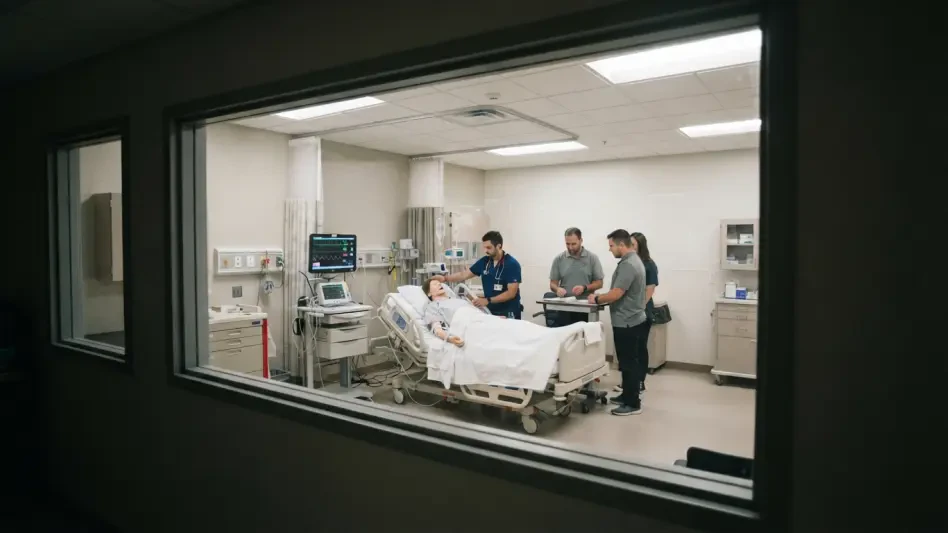
To move students from intermediate to advanced levels of competence, medical institutions must implement targeted curricular reforms that prioritize practical experience over purely theoretical learning. The research recommends the integration of structured cultural sensitivity training that involves simulated patient interactions and role-playing exercises. These methods allow students to practice navigating sensitive topics, such as alternative medicine use or historical mistrust, in a controlled environment before they enter clinical rotations. Additionally, increasing direct exposure to diverse patient populations through community-based health programs can provide the hands-on experience necessary to build true confidence. By shifting the pedagogical focus toward a data-driven model that rewards cultural empathy and communication skills, schools can bridge the gap between cognitive awareness and clinical mastery. This approach ensures that trainees are not just passing exams but are genuinely prepared for the realities of practice.
Implementing Actionable Solutions for Future Physicians
The study established a clear mandate for the evolution of medical education in Egypt by identifying specific areas where trainees feel vulnerable. Future considerations should include the development of standardized national guidelines for cultural competency training that can be adopted across all fourteen medical schools to ensure a uniform level of care quality. Looking forward, the integration of these skills into the core licensing requirements would solidify their importance in the professional hierarchy. The investigation demonstrated that even brief extracurricular interventions had a measurable impact on student confidence, suggesting that immediate improvements are possible through workshops and seminars while broader curricular overhauls are underway. By adopting these actionable strategies, the Egyptian medical community can ensure that its future physicians are equipped to provide equitable, high-quality care to every patient, regardless of their cultural or social background. The research concluded that the path to clinical excellence must involve a commitment to cultural humility.