
Integrating the Kaufman Needs-Assessment Model allowed researchers to prioritize the most urgent safety issues relevant to residents with chronic mental health diagnoses. This specialized approach emerged as a vital response to the escalating complexities found in modern long-term care facilities, where staff often face unpredictable behavioral challenges. Historically, safety training has relied on generalized modules that fail to address the specific vulnerabilities of geriatric patients or the nuances of psychiatric care. During the recent global health crisis, a prominent facility in Ontario reached a breaking point, experiencing a surge in emergency interventions and police calls that disrupted the therapeutic environment. The implementation of the TIDES program sought to reverse this trend by moving away from generic solutions toward a highly customized, data-informed strategy. By focusing on the intersection of trauma-informed care and geriatric health, the initiative aimed to rebuild a sense of security for both caregivers and residents alike in this high-pressure setting.
Utilizing Structural Frameworks for Program Design
To ensure the training was both rigorous and relevant, the development team employed the ADDIE model, a standard instructional design framework involving analysis, design, development, implementation, and evaluation. This structured process allowed researchers to build the curriculum from the ground up, using data specific to the facility’s unique challenges. By starting with a comprehensive analysis of existing incident reports and police logs, the program designers could pinpoint exactly where previous training efforts had failed to meet staff needs. The focus was on identifying the root causes of workplace violence and behavioral escalations, ensuring that every module was grounded in actual occurrences rather than hypothetical scenarios. This methodical approach provided a blueprint for creating educational content that was practically applicable to the high-stakes environment of long-term care, where split-second decisions often determine the safety of an entire wing for both the staff and the residents.
Complementing this design was the Kaufman Needs-Assessment Model, which prioritized the most urgent safety issues within the institution to maximize the impact of limited training hours. Instead of teaching broad theoretical concepts that might apply to general hospital settings, the program focused on the specific triggers most common among elderly residents with complex mental health diagnoses. This level of precision ensured that the training was not just an educational seminar, but a practical toolkit that staff could apply immediately to reduce emergency calls. By narrowing the scope to the most frequent and dangerous scenarios, the program designers ensured that time spent away from patient care was highly efficient. This targeted methodology addressed the specific environmental and psychological factors that contribute to agitation in older adults, such as cognitive decline or sensory overload. Consequently, the curriculum was uniquely positioned to handle the specific stressors that lead to behavioral crises in specialized care units.
Data-Driven Customization and Goal Alignment
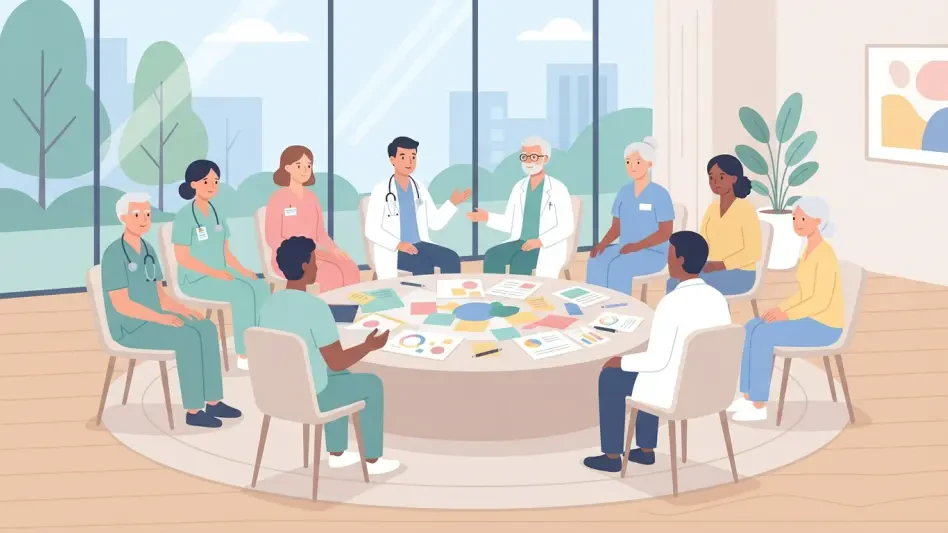
The success of the TIDES implementation rested heavily on its inclusive needs assessment phase, which actively engaged staff through structured focus groups. By listening to employees across different shifts and departments, the designers gained insights into the specific fears and obstacles faced by frontline workers. This collaborative effort helped align the training with five core objectives: reducing resident injuries, increasing cooperation, minimizing police presence, and lowering the frequency of aggressive incidents. Engaging the workforce in the planning stages ensured that the content reflected the gritty realities of the job, which in turn increased the likelihood of long-term adoption. This bottom-up approach proved essential in building trust between administration and the care team, as staff felt their daily struggles were being recognized. When employees see their personal experiences reflected in training materials, they are far more likely to engage with the content and apply techniques in high-pressure situations.
By grounding the curriculum in these specific organizational goals, the training transitioned into a specialized form of bedside safety that went beyond simple de-escalation tactics. For example, rather than utilizing standard physical restraints that can be dangerous for frail patients, the program emphasized team-based responses that respected the physical vulnerabilities of older residents. This transition from abstract theory to tangible practice is what allowed the program to gain significant buy-in from a workforce that is often skeptical of top-down mandates. The training provided specific instructions on how to navigate tight physical spaces and how to use verbal cues effectively when a resident’s cognitive processing is impaired. This practical focus ensured that staff felt prepared to handle escalations without resorting to excessive force or calling for external emergency support. By prioritizing resident dignity alongside staff safety, the program created a balanced framework for care in specialized facilities.
Measuring Early Gains in Staff Confidence and Culture
The initial evaluation of the program revealed a significant boost in staff self-efficacy, with confidence scores jumping considerably following the completion of the modules. This psychological shift is critical in healthcare, as it reduces the sense of helplessness that often leads to burnout and high turnover. Furthermore, the percentage of staff members who reported feeling somewhat to very safe around aggressive residents increased, suggesting that the training effectively mitigated the perceived threat of workplace violence. When staff members feel equipped with the right tools, their anxiety levels drop, allowing them to approach potentially volatile situations with a calmer demeanor. This calmness can itself be a powerful de-escalation tool, as residents often mirror the emotional state of their caregivers. The statistical improvements in staff confidence provided a clear indication that the customized nature of the training was meeting the emotional and professional needs of the dedicated healthcare team.
Beyond the quantifiable numbers, the training fostered a vital cultural shift by introducing a shared language based on trauma-informed care principles. Staff began to reframe resident aggression not as intentional bad behavior, but as a responsive behavior stemming from unmet needs or past traumatic experiences. This shift in perspective is essential for maintaining the dignity of residents in long-term care, as it encourages caregivers to seek out the root cause of an escalation rather than merely reacting to the symptom. By adopting this new vocabulary, the entire facility moved toward a more empathetic model of care that values the life history of each resident. This cultural transformation helped to break down the silos between different departments, as everyone from nursing to maintenance began using the same framework to understand resident needs. The shared understanding created a more cohesive environment where safety became a collective responsibility rather than an individual burden for the frontline nurse.
Addressing Implementation Challenges and Long-Term Retention
Despite the early successes, the implementation process also highlighted the pragmatic limitations of conducting research in a high-pressure healthcare environment. High attrition rates in follow-up surveys and the loss of objective skill assessments due to time constraints remain significant hurdles for any facility attempting to measure long-term impact. Researchers noted a potential confidence-skill gap, where staff may feel more capable in the weeks following training even as their actual physical proficiency in specific de-escalation techniques begins to decline. This phenomenon suggests that subjective feelings of safety must be balanced with periodic, objective evaluations to ensure that techniques are being performed correctly. The reality of a busy facility often means that administrative follow-ups are sidelined in favor of immediate patient needs, making it difficult to maintain a consistent stream of data. Recognizing these barriers is the first step toward developing more sustainable evaluation methods in healthcare.
Sustaining these improvements requires more than a one-off workshop; it demands an ongoing commitment to quality improvement and leadership stability. The study emphasized that for safety training to be truly effective over the long term, it must be integrated into the institutional culture through models like Train-the-Trainer. This ensures that the facility builds internal expertise, allowing for continuous reinforcement of skills and a quicker response to the evolving needs of the resident population. Without a dedicated plan for ongoing education, the benefits of initial training can quickly dissipate as new employees join the team. Leadership must play an active role in championing these safety initiatives, ensuring that resources are allocated for regular refresher courses and that the principles of trauma-informed care remain a priority. A stable organizational structure provides the foundation upon which these safety protocols can thrive, preventing the program from becoming a temporary trend.
Future Considerations: Actionable Steps for Safety
The researchers ultimately concluded that the customized safety framework provided a vital roadmap for improving the quality of care in specialized facilities. By prioritizing staff involvement and data-driven curriculum design, the organization successfully moved toward a more resilient safety culture. The next steps for the industry involved the widespread adoption of these tailored models, ensuring that every facility could address its unique resident demographics and environmental challenges. Future initiatives needed to focus on bridging the gap between perceived confidence and actual skill retention through more frequent, bite-sized training sessions. It was determined that the most effective way to maintain high safety standards was to treat de-escalation as a core competency rather than an occasional requirement. This shift required long-term care leaders to invest in sustainable education programs that evolved alongside the complex needs of their specific resident populations.
To further refine these safety outcomes, administrators were encouraged to standardize the reporting of incident data to allow for more robust meta-analyses across the healthcare sector. This collective approach to data helped identify which specific configurations of context and training led to the best results for both staff and residents. The TIDES case study proved that even in the face of significant logistical hurdles, a structured and trauma-informed approach could yield measurable psychological gains. Moving forward, the goal was to integrate these safety protocols into the very fabric of resident care plans, making them a proactive rather than a reactive measure. By fostering an environment of continuous learning and support, long-term care facilities were able to reduce the frequency of crises and improve the overall well-being of their communities. The transition toward customized training represented a necessary evolution in the way organizations protected their residents and caregivers.