
The rigorous landscape of American healthcare education has witnessed a significant shift as California State University, Los Angeles, cements its reputation through a newly released national evaluation of graduate nursing tracks. This achievement places the Master of Science in Nursing program among the top forty-one programs in the country, making it one of only five graduate paths in California to be recognized for such excellence. The ranking highlights a dedicated focus on academic rigor and the strategic preparation of a diverse workforce ready to tackle the complexities of urban health systems. By prioritizing community-focused care and advanced clinical training, the university has demonstrated that public institutions are capable of competing at the highest levels of professional education. This recognition serves as a testament to the faculty’s commitment to creating an environment where future healthcare leaders can thrive and innovate. The inclusion of the program in these prestigious national standings reflects a broader trend of institutional growth and regional influence.
Academic Specialization: Pathways to Clinical Excellence
Central to this national recognition is the Patricia A. Chin School of Nursing, which provides a curriculum designed to address the specialized needs of modern patients. The Master of Science in Nursing offers students a variety of focused pathways, including nursing education and several nurse practitioner options that target specific demographics. These specialties range from adult-gerontology, covering both acute and primary care, to family health and psychiatric-mental health services. A major milestone in the program’s development occurred recently with the successful launch of an independent Doctor of Nursing Practice program. While the university has been involved in joint doctoral consortiums for over a decade, this new standalone degree allows for a more streamlined and specialized approach to clinical leadership. This transition ensures that graduates are not only clinical experts but also possess the organizational knowledge required to manage large-scale healthcare initiatives and policy changes.
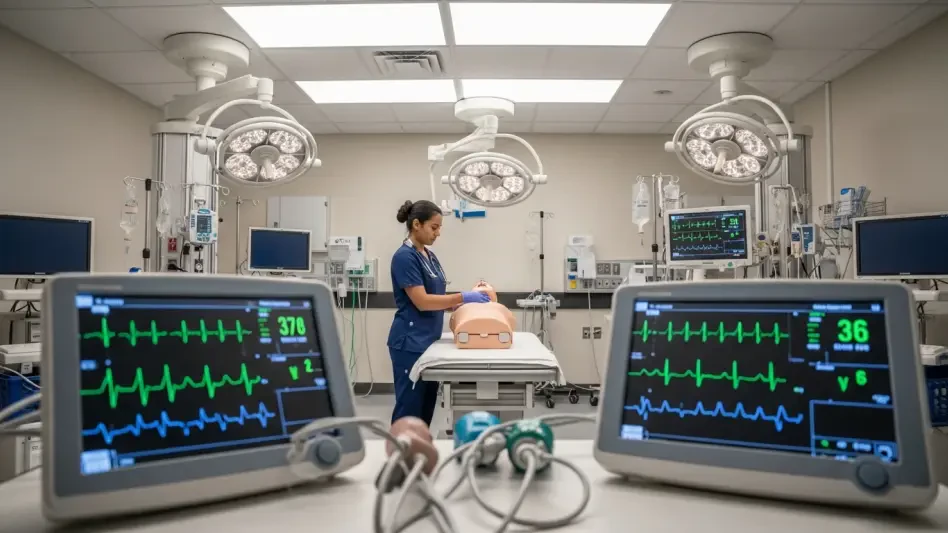
Beyond the theoretical framework of the classroom, the university has invested heavily in sophisticated infrastructure to bridge the gap between academic study and real-world application. The Yoshie and Yoshiharu Ohara Virtual and Augmented Reality Immersive Learning Center represents the cutting edge of this effort, providing students with safe yet realistic environments to practice complex procedures. Alongside this facility, a high-tech simulation center allows learners to refine their clinical judgment and technical proficiency before entering the professional workforce. These technological tools are essential for modern nursing education, as they allow for the repetition and analysis of high-stakes scenarios that are difficult to replicate in traditional settings. By integrating immersive technology into the standard curriculum, the school ensures that its graduates possess a level of confidence and skill that is highly sought after by major hospital systems. This proactive approach to facility development reinforces the school’s role as a leader in educational innovation.
Strategic Leadership: Community Impact and Future Directions
The influence of the nursing program extends far beyond clinical skills, largely due to the advocacy and leadership initiatives led by the Chin Family Institute for Nursing. This institute serves as a vital hub for professional development, focusing specifically on how nursing practice can be improved to serve historically underserved urban populations. One of its key functions is hosting high-level professional events, such as the 17th Annual Nursing Forum, which centers on the integration of evidence-based care into daily practice. Furthermore, the institute has taken a leading role in preserving the history and lessons of the profession by documenting the experiences of frontline nurses during recent global health challenges. These research and documentation efforts provide invaluable insights for future healthcare strategies, ensuring that the hard-won knowledge of practitioners is codified and shared. This focus on leadership and professional legacy helps to cultivate a sense of civic responsibility among students and alumni alike.
The success of the nursing school reflected a broader trend of academic achievement across the university, as graduate programs in social work, public health, and public affairs also earned spots within the national top one hundred. This multidisciplinary strength suggested that the institution was effectively aligning its educational goals with the needs of the modern workforce. Looking ahead, the focus moved toward expanding the new independent doctoral program and further integrating augmented reality tools into the remote learning portions of the curriculum. Healthcare administrators encouraged the university to continue its partnerships with local clinics to ensure a steady pipeline of specialized practitioners into the community. Stakeholders recognized that maintaining this level of excellence required a sustained investment in faculty recruitment and a commitment to updating simulation software to reflect emerging medical technologies. By building on these recent accolades, the university established a clear roadmap for addressing the ongoing shortage of clinicians.