









Data Science

How Is the UAE Becoming a Global Biopharma Powerhouse?
Care How Is the UAE Becoming a Global Biopharma Powerhouse?

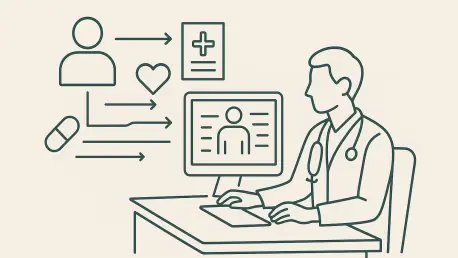
The transition from reactive healthcare to proactive disease management is being driven by the integration of massive genomic datasets into everyday clinical decision-making. The United Arab Emirates has long been recognized as a global crossroads for trade and energy, but a new frontier is

Real-World Data Confirm Success of Retinal Biosimilars
Data and Information Real-World Data Confirm Success of Retinal Biosimilars

The focus of retinal specialists has fundamentally shifted from questioning the efficacy of biosimilars to optimizing their use in diverse, non-controlled medical environments. As the pharmaceutical landscape for anti-vascular endothelial growth factor (anti-VEGF) therapy matures, these agents are

Closing the Gap in Shared Decision Making for IBD Care
Care Closing the Gap in Shared Decision Making for IBD Care

A qualitative study involving fifteen patients and eleven gastroenterologists reveals that the current implementation of collaborative care falls short of the ideal for those managing chronic conditions. This disconnect is especially poignant within the realm of Inflammatory Bowel Disease (IBD), a

Nate Apathy Uses EHR Audit Logs to Reform Health Policy
Data and Information Nate Apathy Uses EHR Audit Logs to Reform Health Policy

Turning raw clinical data into policy insights allows researchers to advocate for systemic reforms that prioritize the well-being of both providers and patients. While the visual interface of an electronic health record serves as the primary workspace for modern clinicians, a deeper layer of

Can Bio-RL-FedOpt Secure and Optimize Healthcare AI?
Data and Information Can Bio-RL-FedOpt Secure and Optimize Healthcare AI?

Zero-Knowledge Proofs anchored on a blockchain provide a tamper-proof audit trail that allows competing medical institutions to verify model integrity without compromising institutional secrecy. This technological breakthrough arrives as clinicians in 2026 struggle with a profound digital paradox:

URDT-Net Improves Semi-Supervised Abdominal Organ Segmentation
Data and Information URDT-Net Improves Semi-Supervised Abdominal Organ Segmentation

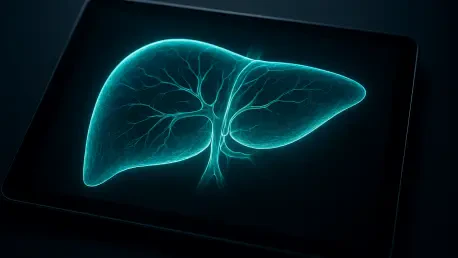
Standard deep learning models often produce anatomically impossible shapes, such as disconnected vascular pathways, which are technically correct by pixel counts but clinically useless for actual surgical planning. The current landscape of medical imaging suffers from a distinct imbalance where

Loading

Subscribe to our weekly news digest

Keep up to date with the latest news and events

Paperplanes Paperplanes Paperplanes
Invalid Email Address
Thanks for Subscribing!
We'll be sending you our best soon!
Something went wrong, please try again later