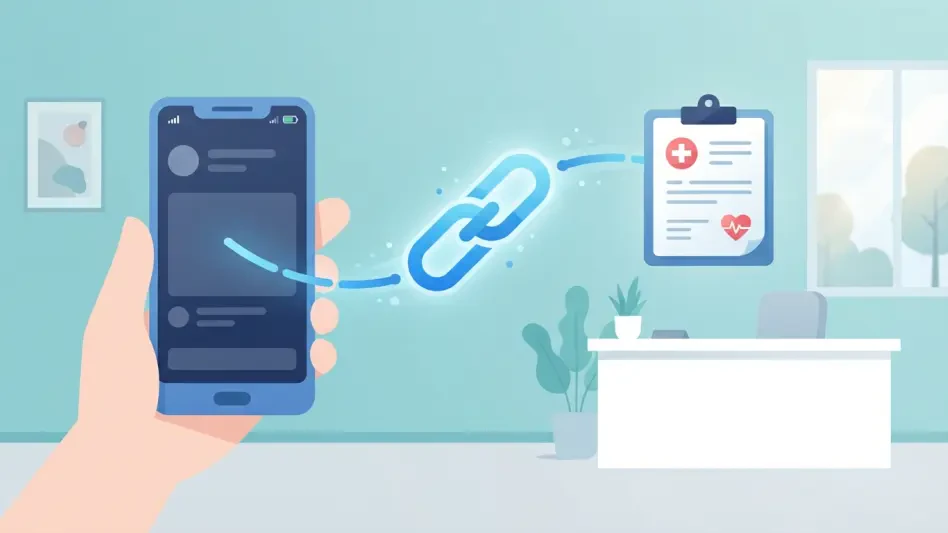

The accuracy of patient-reported data shows a 95.2 percent agreement rate with final clinical records, proving that patients can provide reliable medical histories. This finding serves as the foundation for a transformative study at a major academic hospital in Seoul, South Korea, where the transition from clinician-led history-taking to a patient-driven, digital self-reporting model was meticulously analyzed. By implementing a mobile web-based questionnaire specifically for injured patients, the facility sought to capture precise details regarding trauma mechanisms that are often lost during the hectic triage process. Unlike previous digital efforts that required cumbersome app downloads or the use of shared hospital tablets, this innovative approach utilized a streamlined interface accessible via a simple web link sent to personal smartphones. This integration into the Electronic Medical Record system ensured that patient input became an immediate and official part of the clinical narrative, successfully bypassing the friction points found in older technologies.
Triage Efficiency: Addressing Communication Barriers and Demographic Participation
Emergency departments are notoriously high-pressure environments where critical information can easily be lost or misinterpreted during the initial intake. Traditional methods of data collection often rely on busy clinicians or scribes who must juggle multiple cases, which can lead to significant gaps in documenting the specific timing and nature of an injury. Previous attempts to digitize this data collection frequently failed because they introduced unnecessary hurdles, such as requiring patients to install third-party software or handle shared devices that raised hygiene concerns. The mobile link system effectively bypassed these obstacles by leveraging the patient’s own smartphone, turning what was once unproductive waiting room time into a valuable window for data entry. By shifting the responsibility of the initial narrative to the patient, the hospital ensures that the mechanism of injury is recorded while the memory is still fresh, thereby reducing the risk of administrative errors that could compromise care quality.
The study evaluated thousands of injury-related visits to determine how various factors influenced a patient’s willingness to engage with these digital tools. Findings indicated that while the system reached the vast majority of visitors, completion rates were heavily influenced by age and injury severity. Younger patients demonstrated much higher levels of engagement compared to those over the age of 75, suggesting that age-related digital literacy remains a consideration for hospital administrators. Furthermore, patients with lower-acuity injuries who arrived via private transport were the most likely to finish the questionnaire, whereas those arriving through emergency services like “119” prioritized immediate medical intervention. These insights allow for a more targeted application of digital reporting, where stable patients utilize the technology to streamline their intake while clinical staff focus their efforts on high-acuity cases. By understanding these demographic trends, facilities can optimize when and to whom these digital questionnaires are sent to ensure maximum participation.
Clinical Accuracy: Validation of Data Reliability and Future Medical Workflows
A pivotal aspect of the research was the high degree of consensus between the information provided by patients and the official clinical records maintained by physicians. Data showed a remarkable 95.2 percent agreement rate for general injuries, and over 91 percent for traffic-related incidents, confirming that patient-reported data is highly reliable for clinical use. This high level of accuracy mitigates the long-standing skepticism regarding the ability of a layperson to document their own medical history under the stress of an injury. By shifting the burden of repetitive data entry from the physician to the patient, the system allows medical professionals to dedicate more time to physical examinations and complex diagnostic interpretations. This clinical workflow optimization not only improves the speed of treatment but also ensures that the documentation is comprehensive and accurate. The ability to trust patient input directly into the EMR environment represents a significant leap forward in reducing the administrative load on frontline healthcare workers.
In the final evaluation, the implementation of the EMR-integrated mobile system established a successful blueprint for improving documentation efficiency in emergency settings. Researchers observed that hospitals were able to foster a more collaborative environment by empowering patients to contribute directly to their own medical records. The study proved that when technology was integrated seamlessly into existing workflows, it enhanced the quality of care rather than creating new administrative hurdles. Organizations that adopted these strategies reported a significant reduction in documentation errors and a more streamlined path to recovery for their patients. As a result, the healthcare industry began to prioritize the development of multi-language digital interfaces and pre-arrival intake forms to further optimize the triage process. The transition to patient-led reporting was deemed a critical success, providing a foundation for more accurate, data-driven emergency medicine. This progress ultimately ensured that the patient’s voice remained a central and reliable component of the clinical experience.