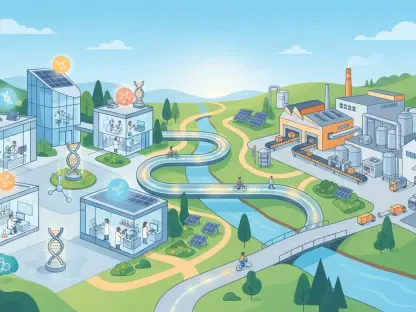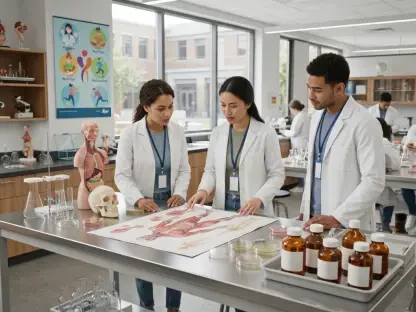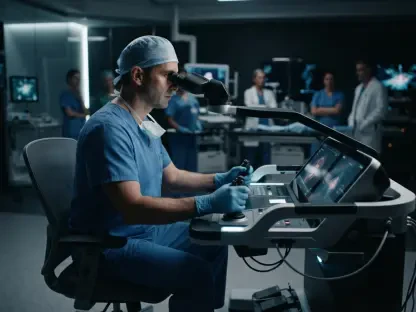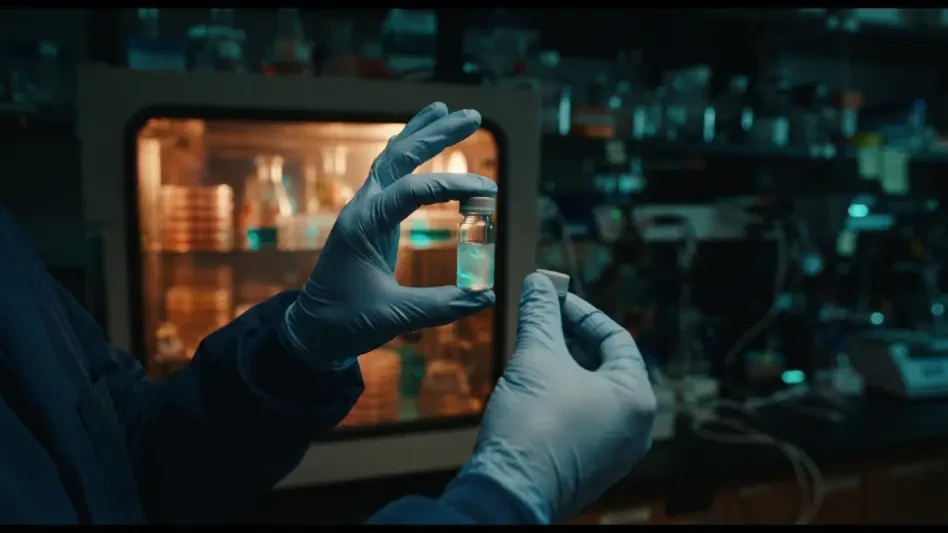

Applying fluorescence-activated cell sorting to isolate pure populations of germline stem cells ensures the precision of downstream genetic modifications. This foundational advancement has allowed the aquaculture industry to transcend the limitations of traditional selective breeding, which often relies on the slow, iterative process of natural recombination and phenotypic selection. As global demand for aquatic protein reaches unprecedented levels in 2026, the necessity for a more agile and precise genetic toolkit has never been more apparent. Traditional methods are frequently hindered by the lengthy generation intervals of high-value species and the biological difficulty of targeting multiple traits simultaneously without compromising overall fitness. By contrast, the strategic application of biotechnology offers a focused approach to enhancing growth rates, improving disease resistance, and mitigating the ecological risks associated with the escape of farmed individuals into wild habitats. This shift represents a fundamental reimagining of fish breeding, moving the primary site of innovation from the large-scale ocean pen to the highly controlled environment of the laboratory. Through this transition, the industry is poised to achieve levels of genetic gain and environmental sustainability that were previously considered unattainable, effectively placing fish production on an equal technological footing with terrestrial livestock management.
The emergence of CRISPR/Cas-based genome editing represents a paradigm shift in the field, allowing for the precise introduction of specific, beneficial mutations rather than the mere reshuffling of existing genetic variation. While pilot studies have demonstrated the potential of this technology to improve fundamental production traits, a substantial gap persists between successful laboratory demonstrations and industrial-scale application. The primary obstacle remains the industry’s historical reliance on embryo microinjection, a method that is physically demanding, inherently low-throughput, and frequently plagued by biological complications such as mosaicism. This condition, where only a fraction of the organism’s cells carry the intended genetic edit, complicates the inheritance of traits and necessitates extensive follow-up breeding. Consequently, the industry is turning toward germline stem cell (GSC) in vitro culture and surrogate broodstock technology (SBT) as a transformative alternative. By integrating these systems, researchers can create a scalable, high-precision platform for genetic improvement that bypasses the fragile one-cell embryo stage in favor of a robust, renewable cell culture environment. This strategy aims to bring aquaculture into a new era of efficiency and resilience, ensuring that global food production can meet the challenges of a changing climate.
The Limitations of the Current Paradigm
The Failure: Why Microinjection Cannot Scale
To understand the urgent necessity of moving toward germline stem cell-based editing, one must first examine the inherent flaws in the current gold standard of manual microinjection for fertilized eggs. In the majority of aquaculture species, genome editing is currently achieved by manually injecting CRISPR/Cas components into eggs at the one-cell stage, a process that is fundamentally artisanal and labor-intensive. This method requires highly skilled technicians to handle thousands of eggs individually with extreme care, a requirement that becomes increasingly difficult to meet as production scales move from the research lab to the commercial hatchery. The precision required to pierce the chorion without destroying the delicate yolk or the nascent zygote is high, and even minor deviations in technique can result in the total failure of the editing process for that specific individual. For large-scale operations that require millions of genetically improved eggs to be processed within narrow seasonal spawning windows, the manual nature of this bottleneck is essentially insurmountable, preventing the rapid deployment of new genetic traits across broad populations.
Furthermore, the physical act of piercing the egg and the introduction of concentrated reagents often lead to significant embryonic mortality, which further reduces the overall efficiency of the breeding program. In species like Atlantic salmon, where the eggs are relatively large but the biological window for successful injection is incredibly tight, the labor requirements to achieve a statistically significant number of edited founders are immense. Beyond the sheer physical effort, the variability in egg quality and the environmental sensitivities of the early-stage embryo mean that survival rates can be unpredictable and often disappointingly low. This high rate of loss represents a significant waste of biological and financial resources, particularly when dealing with high-value broodstock lines. Consequently, the reliance on manual microinjection tethers the industry to a slow and expensive methodology that is poorly suited for the high-volume needs of modern global food systems. Without a move toward more automated or cell-based delivery systems, the promise of genome editing in aquaculture will remain confined to small-batch experimental trials rather than widespread industrial reality.
The Challenge: Mosaicism and Multi-Generational Delays
Perhaps the greatest technical hurdle associated with traditional embryo-based editing is the phenomenon of mosaicism, which occurs when CRISPR components do not act instantaneously upon the zygote after injection. Because the editing machinery may remain active through several rounds of cell division, the resulting embryo often becomes a complex mixture of edited and wild-type cells, or cells carrying different types of mutations at the target site. In these F0 founder fish, the desired phenotype may be present in somatic tissues, but there is no guarantee that the mutation has been integrated into the germline cells—the precursors to eggs and sperm. This uncertainty means that even a fish showing exceptional growth or disease resistance might be unable to pass those traits to its offspring, rendering the initial editing effort biologically inert for the purposes of long-term breeding. The presence of mosaicism essentially forces researchers into a high-stakes guessing game, where the true genetic potential of a founder cannot be confirmed until it reaches sexual maturity and its gametes are tested.
This requirement to verify germline transmission leads to a massive multi-generational breeding bottleneck that significantly slows the pace of innovation. For species with long generation intervals, such as Atlantic salmon which typically take three to four years to reach maturity, establishing a stable, homozygous line can take nearly a decade of continuous effort. Researchers must breed F0 founders to produce an F1 generation, identify the specific individuals that have inherited the stable mutation, and then breed those individuals again to produce a commercial population. This timeline is fundamentally incompatible with the rapid pace of industrial innovation and the urgent need to respond to emerging biological threats, such as new viral strains or changing water temperatures. The delay also increases the cumulative risk of losing valuable genetic lines to unforeseen events over the years of maintenance required. Transitioning to a cell-based platform that ensures every cell in the resulting fish is correctly and uniformly edited is therefore the only viable path to achieving the speed and precision required by the modern aquaculture sector.
Germline Stem Cells as a Biological Foundation
Biological Constraints: The Limits of Primordial Germ Cells
The proposed solution for scaling genetic improvement centers on the utilization of germline cells, specifically Primordial Germ Cells (PGCs) and Germline Stem Cells (GSCs). PGCs are the very first cells specified during early embryogenesis that are destined to become gametes, and they are maternally programmed to migrate through the developing embryo until they settle in the genital ridges. While PGCs are highly potent and theoretically capable of generating an entire germline, they are notoriously difficult to manipulate and expand in a laboratory setting. They are specified in very small numbers, and their isolation requires the incredibly delicate dissection of tiny embryos, a process that is just as labor-intensive as the microinjection methods it seeks to replace. Furthermore, the molecular triggers required to maintain PGCs in a proliferative, undifferentiated state outside of the host embryo are poorly understood for most commercial fish species, leading to a high rate of failure in long-term culture experiments.
Historically, most attempts to maintain fish PGCs in culture have failed after only a few months, as the cells either stop dividing or spontaneously begin to differentiate into more mature cell types. This lack of longevity and stability limits their utility for large-scale genetic engineering, where multiple rounds of editing, selection, and expansion are often required to achieve the desired results. Because PGCs are so transient in their natural developmental state, they do not possess the robust self-renewal mechanisms that are characteristic of true stem cell populations. This makes them a difficult target for the kind of “genetic library” creation that is necessary for industrial-scale aquaculture. While PGCs remain an important focus for basic biological research into fish development, their practical constraints make them less than ideal as the primary foundation for a high-throughput genome editing platform. The industry requires a more stable, renewable resource that can be harvested from more accessible life stages and maintained with greater consistency over time.
Stemness and Sustainability: The Power of GSCs
In contrast to the transient nature of PGCs, Germline Stem Cells (GSCs), which include spermatogonia in males and oogonia in females, represent the adult version of these germline progenitors and offer a much more robust biological foundation. GSCs are found in relatively high numbers within the gonads of juvenile and adult fish, making them far more accessible for isolation and enrichment compared to embryonic cells. The defining characteristic of these cells is their “stemness,” which allows them to undergo self-renewal through mitotic division while also producing daughter cells that eventually differentiate into mature gametes. This ability to self-renew indefinitely under the right culture conditions means that a small initial population of cells can be expanded into a massive volume, providing an almost unlimited supply of genetic material for manipulation. This scalability is the cornerstone of the new biotechnological framework, as it allows for the transition from individual-based editing to population-level genetic management.
Crucially, the inherent stability of GSCs allows them to be cryopreserved with high rates of recovery, which enables the creation of vast genetic libraries for the aquaculture sector. This capability means that specific, validated genotypes—such as those exhibiting extreme resistance to sea lice or enhanced Omega-3 production—can be stored indefinitely in liquid nitrogen and revived whenever they are needed for production. This decoupling of the genetic resource from the live animal reduces the costs and risks associated with maintaining large populations of live broodstock, such as the danger of disease outbreaks or catastrophic equipment failure. Furthermore, the use of GSCs allows for the preservation of maternal genetic lines, which has historically been a major challenge in fish breeding due to the difficulty of freezing large, yolk-heavy fish eggs. By using stem cells as a proxy, breeders can safeguard the entire genetic diversity of their stocks with a level of security and flexibility that was previously impossible, setting the stage for a more resilient and responsive global aquaculture industry.
Surrogate Broodstock Technology
Hijacking Development: The Mechanism of Transplantation
The successful integration of GSC technology into aquaculture relies heavily on Surrogate Broodstock Technology (SBT) as the primary delivery mechanism to turn edited cells back into living, reproducing fish. SBT involves the transplantation of donor GSCs into a sterile “surrogate” recipient, which then acts as a host to carry and nurture the donor’s genetic material. This process typically begins with the injection of donor cells into the body cavity of a surrogate larva during the hatching stage, when the host’s own reproductive system is still underdeveloped and highly receptive to colonization. Guided by intrinsic chemical signals and chemotactic gradients, the transplanted donor GSCs migrate from the body cavity to the recipient’s genital ridges. Because the surrogate has been rendered sterile—usually through the targeted knockout of genes like dnd1 or fshr—its own germ cells are entirely absent, leaving an empty biological niche that the donor cells can readily colonize without competition.
Once the donor cells have successfully settled into the surrogate’s gonads, they begin to proliferate and differentiate according to the host’s internal hormonal environment. The surrogate essentially “hijacks” its own developmental processes to produce gametes that are 100% derived from the donor’s genetic line, effectively becoming a living vessel for the production of high-value offspring. This method is particularly effective because the resulting surrogates are often easier to manage, smaller, or reach sexual maturity faster than the original donor species. By using a surrogate that is better suited to hatchery conditions, breeders can produce the gametes of more difficult or slow-growing species with much greater efficiency and lower overhead costs. The precision of this host-donor relationship ensures that every egg or sperm produced by the surrogate is a perfect genetic match to the edited GSC line, eliminating the risk of contamination from the host’s own DNA. This high level of control is essential for maintaining the integrity of specialized genetic lines in a commercial environment.
Sexual Plasticity: Accelerating the Breeding Cycle
One of the most remarkable and industrially significant aspects of fish GSCs is their inherent sexual plasticity, which allows them to differentiate into either eggs or sperm regardless of the donor’s original sex. In many salmonid species, such as rainbow trout and Atlantic salmon, the developmental fate of the germ cells is determined by the hormonal environment of the host surrogate rather than a fixed genetic program within the GSC itself. This means that if male GSCs are transplanted into a female surrogate, the host will produce functional eggs that carry the male donor’s genetic information. Conversely, a male surrogate can be used to produce sperm from female donor GSCs. This extraordinary biological flexibility allows breeders to produce both eggs and sperm from a single high-value donor’s genetic line within a single generation, a feat that would be impossible using any other breeding or editing methodology currently available to the industry.
This capability drastically accelerates the breeding cycle and allows for the rapid stabilization of new genetic traits across a population. For instance, if a researcher identifies a single cell line with a perfect, non-mosaic edit for disease resistance, they can use surrogates to produce both the eggs and the sperm needed to create a large, homozygous F1 population in just one spawning season. This eliminates the multi-year wait traditionally required to breed out mosaicism and identify stable carriers. Furthermore, the ability to produce “neomales” and “neofemales” from the same genetic stock simplifies the management of broodstock and allows for much tighter control over the sex ratios of the final production fish. This flexibility is a game-changer for the logistics of aquaculture breeding, as it provides a level of speed and efficiency that allows the industry to keep pace with the rapidly evolving demands of global consumers and the shifting challenges of the natural environment.
Synthesizing the Integrated Workflow
From Lab to LarvIsolation and In Vitro Editing
The core of the proposed innovation lies in the synthesis of these individual technologies into a single, cohesive workflow known as the GSC-Editing-SBT pipeline. This pipeline begins with the precise isolation and enrichment of GSCs from a high-value donor fish, utilizing advanced tools like Fluorescence-Activated Cell Sorting (FACS). By targeting specific cell surface markers or using transgenic lines with fluorescently labeled germ cells, researchers can isolate a pure population of stem cells with 100% accuracy. This ensures that the downstream editing process is not wasted on somatic cells or differentiated gametes that lack the necessary self-renewal properties. Once the cells are isolated and established in a stable culture, the CRISPR/Cas components are delivered directly to the population via electroporation or viral vectors. This in vitro environment is far more stable than that of a developing embryo, allowing for multiple, optimized attempts at editing and the use of higher concentrations of reagents without the risk of destroying a unique individual.
The shift to a cell culture-based modification process provides researchers with an unprecedented level of control over the molecular timing and efficiency of the genome editing events. Unlike microinjection, where the timing of the edit is left to chance within the rapidly dividing zygote, cell culture allows for the synchronization of the cell cycle to favor specific repair pathways, such as Homology-Directed Repair (HDR). This results in a much higher frequency of precise, intended mutations and a corresponding decrease in unwanted, “off-target” effects or random insertions and deletions. Furthermore, because the cells can be maintained in an undifferentiated state for extended periods, researchers have the luxury of time to refine their protocols and ensure the highest possible quality of the genetic modification. This transition from a “hit or miss” approach in embryos to a standardized, industrial-grade process in cell culture is the essential bridge that connects academic biotechnology with real-world aquaculture production, providing a reliable source of high-quality genetic material.
Validation and Growth: Screening and Clonal Expansion
The most critical and transformative advantage of the GSC-based system is the ability to perform rigorous screening and clonal expansion before any fish are ever produced. In a cell culture system, researchers can isolate a single, edited GSC and grow it into a genetically identical colony, or “clone,” through several rounds of mitotic division. This colony can then be sampled and sequenced to confirm that the desired edit is present and that no unintended mutations have occurred elsewhere in the genome. This process effectively eliminates the problem of mosaicism at the source, as every cell in the resulting colony is a perfect copy of the validated original. By the time the GSC clones are ready for transplantation into surrogates, the breeder knows with absolute certainty that every gamete produced by those surrogates will carry the exact genetic trait intended, providing a level of reliability and predictability that is completely unattainable through embryo microinjection.
Once a high-quality, non-mosaic clone has been identified and verified, it can be expanded into the thousands or even millions of cells needed for mass transplantation. These validated cells are then injected into sterile surrogates, which may be a faster-maturing or more space-efficient species than the original donor. This dramatically reduces the “time to market” for new genetic traits, as the surrogates reach spawning age much more quickly than the primary production fish would. For example, using a small, rapidly maturing surrogate to carry the genetics of a large, slow-growing species like Atlantic salmon can shave years off the development cycle for a new product. This high-throughput capability is necessary to meet the increasing demands of a global population that requires a steady and sustainable supply of protein. By ensuring that every surrogate is a high-performing producer from the very first generation, the integrated GSC-Editing-SBT workflow provides the efficiency and scale required for a truly industrial-grade genetic improvement program.
Overcoming Technical Obstacles
The Medium Challenge: Standardizing Culture Media
While the conceptual framework for GSC-based editing is robust, several significant technical hurdles remain that must be cleared to allow for full industrial scaling. One of the most persistent challenges is the lack of a “one-size-fits-all” culture medium for fish germline stem cells across different species. Mammalian cell culture has benefited from over half a century of intense research and massive investment, leading to the development of highly standardized “cocktails” of growth factors and nutrients that support consistent cell growth. In contrast, the aquaculture sector is still in the process of mapping the specific nutritional and signaling requirements for the GSCs of many commercially important fish. Currently, many successful protocols rely on “feeder layers”—a base layer of inactivated somatic cells that provide a complex, natural microenvironment of signals. However, feeder layers introduce unwanted variability and the risk of contamination, making them less than ideal for large-scale, standardized production environments.
Transitioning to a chemically defined, synthetic medium is a prerequisite for moving these technologies into a commercial hatchery setting. This will require the identification and synthesis of species-specific growth factors, such as Fibroblast Growth Factor (FGF) and Glial cell line-derived Neurotrophic Factor (GDNF), which are essential for maintaining the cells in a proliferative, undifferentiated state. Because the potency and structure of these proteins can vary significantly between different families of fish, a growth factor that works for trout may not be effective for tilapia or sea bass. The industry is currently investing heavily in high-throughput screening to identify these optimal combinations, but the process is slow and requires a deep understanding of the comparative endocrinology of aquatic species. Developing these standardized media is not just a scientific goal but a logistical one, as it will allow for the consistent, repeatable expansion of high-value genetic lines across different facilities and regions, ensuring that the benefits of genome editing are accessible to the entire global aquaculture community.
Precision Engineering: Enhancing Repair Pathways and Stemness
Another technical obstacle lies in the efficiency of the DNA repair pathways that occur after the CRISPR/Cas machinery has made its cut. While current technology is quite good at “knocking out” a gene through the error-prone Non-Homologous End Joining (NHEJ) pathway, the future of the industry depends on the ability to precisely “knock in” new traits or swap single nucleotides to mimic natural, beneficial mutations. This requires a much more precise pathway called Homology-Directed Repair (HDR), which is notoriously inefficient in many fish cells and embryos. The integrated GSC culture platform offers a significant advantage here, as it allows researchers to use small-molecule inhibitors to temporarily block the NHEJ pathway or use cell-cycle synchronization to time the editing event when HDR is most active. These types of molecular manipulations are much easier to perform and monitor in a controlled cell culture environment than in a living embryo, but they still require a high degree of technical optimization to achieve industrial-level success rates.
Furthermore, scientists must ensure that the GSCs maintain their “stemness” and colonization competence over many generations of division in the laboratory. There is a risk that long-term culture can lead to the accumulation of unintended mutations or the loss of the cells’ ability to migrate and settle within the surrogate’s gonads. Maintaining the biological integrity of the germline through the editing and expansion process is a primary area of ongoing research, requiring frequent testing of the cells’ performance through pilot transplantations. Researchers are working to identify the specific molecular “markers of potency” that can be used to monitor cell health in real-time, ensuring that only the most robust and competent cells are selected for the final transplantation phase. This focus on biological quality control is essential for building a reliable and sustainable production pipeline that can consistently deliver the high-performing fish that the industry requires to meet its long-term goals for productivity and welfare.
Decoding the Niche: The Role of Omics and Spatial Transcriptomics
To overcome the biological mysteries of the germline, the industry is increasingly turning to advanced “omics” technologies, such as single-cell RNA sequencing and spatial transcriptomics. These tools allow researchers to map the exact signaling pathways and gene expression profiles that define the relationship between GSCs and their supporting somatic cells—often referred to as the “niche.” By understanding the molecular dialogue that keeps a stem cell in its undifferentiated state or triggers its migration, scientists can design better culture media and more efficient transplantation protocols. This high-resolution data provides a blueprint for mimicking the natural environment of the fish gonad within the laboratory, reducing the “stress” placed on the cells during manipulation and expansion. This level of molecular detail is necessary to turn what was once a series of educated guesses into a repeatable, industrial-grade process that functions with the same precision as any other modern manufacturing pipeline.
Furthermore, the application of spatial transcriptomics allows researchers to see exactly how these cells are positioned within the tissue and which neighbors they are communicating with. This insight is particularly valuable for improving the success rate of surrogate colonization, as it reveals the specific molecular triggers that encourage donor GSCs to settle in the host’s gonads. By pre-treating the donor cells or the host larvae with these specific signaling molecules, researchers can effectively “prime” the system for a higher rate of successful integration. As these datasets grow more comprehensive, they will provide the foundation for AI-driven models of fish development, allowing scientists to predict how different genetic modifications will affect the overall health and reproductive performance of the fish before they are ever hatched. This move toward data-driven biotechnology marks the next phase of aquaculture’s evolution, where the complexities of biology are managed through a combination of high-resolution sequencing and advanced computational analysis.
Consensus and Industry Trends
The Sterile Advantage: Ecological Safety and Performance
There is a growing consensus among scientists, regulators, and industry leaders that sterility is a “holy grail” trait for the global aquaculture sector. Sterile fish provide a definitive solution to one of the industry’s most persistent environmental challenges: the risk of farmed fish escaping and interbreeding with wild populations. By ensuring that every production fish is incapable of reproduction, the industry can protect local biodiversity and maintain the genetic integrity of wild stocks, which is essential for long-term ecological sustainability. The use of SBT to produce these sterile populations via the knockout of reproductive trigger genes is now seen as the most viable path forward for large-scale production. This approach allows for the creation of sterile offspring without the need for high-pressure or temperature treatments (triploidy), which are often associated with reduced growth rates and poor welfare outcomes in certain species.
Beyond environmental safety, sterility also offers significant commercial performance benefits that are highly attractive to producers. Because sterile fish do not expend energy on the development of gonads or the production of gametes, they can redirect those metabolic resources toward somatic growth and muscle development. This often results in fish that reach market size faster and exhibit superior meat quality, as they do not undergo the physiological changes associated with sexual maturation, such as the deterioration of flesh color and texture. Furthermore, sterile fish typically have lower mortality rates during the later stages of production, as they are not subject to the stress of spawning cycles. As a result, the industry is increasingly viewing sterility not just as a regulatory safety feature, but as a major performance enhancer that improves the overall profitability and welfare of the farm. This dual benefit is a primary driver for the rapid adoption of SBT and GSC technologies across the global finfish sector.
Precision Breeding: The Shift Toward Prime and Base Editing
As the technology matures, the industry is moving away from the “random” mutations associated with traditional gene knockouts and toward the more precise methods of base editing and prime editing. These advanced tools allow for the change of a single letter in the genetic code without the need for double-stranded DNA breaks, which significantly reduces the risk of unintended genomic rearrangements. By performing these precise “swaps,” researchers can mimic natural, beneficial mutations that have been identified in wild populations, such as those providing resistance to specific pathogens or tolerance to higher water temperatures. This level of precision is particularly important for navigating the complex regulatory landscapes of different countries, as fish produced through these “precision breeding” techniques may be indistinguishable from natural variants, potentially easing the path to commercial approval and consumer acceptance.
While the primary focus of these efforts is on high-value commercial species like Atlantic salmon, much of the foundational knowledge is being adapted from well-studied model organisms like medaka and zebrafish. The ability to “transfer” technical blueprints and molecular protocols from these model species to food fish is a major driver of progress in the field, allowing for a much faster development cycle. Research in model organisms provides the essential proof-of-concept for new editing tools and delivery methods, which can then be optimized for the specific biological constraints of commercial aquaculture species. This collaborative approach, which bridges the gap between basic developmental biology and industrial application, ensures that the aquaculture sector can benefit from the very latest advancements in the broader field of biotechnology. As these precision tools become more accessible, they will enable a more nuanced and targeted approach to genetic improvement, allowing breeders to fine-tune the performance of their stocks with surgical accuracy.
Automation: Scaling Through Robotics and AI
For GSC-based editing to reach its full industrial potential, the labor-intensive processes of cell sorting, media replenishment, and transplantation must be automated. The industry is already seeing a move toward the integration of robotics and AI-driven imaging systems in specialized “genetic nucleus” facilities, where thousands of cell lines can be managed simultaneously with minimal human intervention. These automated systems can monitor cell health 24/7, adjusting the chemical composition of the culture medium in real-time based on the metabolic needs of the cells. This reduces the risk of human error and significantly lowers the long-term costs associated with maintaining large-scale cell libraries. Automation also allows for a much higher throughput of transplantations, as robotic micro-injection systems can process thousands of surrogate larvae per hour with a level of precision and consistency that far exceeds the capabilities of even the most skilled human technician.
The integration of AI also plays a critical role in the screening and selection process. Machine learning algorithms can be trained to recognize the visual cues associated with high-potency GSCs or successful surrogate colonization, allowing for the rapid identification of the most promising lines. This predictive capability reduces the need for expensive and time-consuming pilot studies, further accelerating the pace of genetic gain. As these automated pipelines become more common, the goal is to create a streamlined, industrial-scale system that can produce millions of genetically improved surrogates to meet the demands of global food systems. This transition from artisanal laboratory work to high-throughput biological manufacturing marks a fundamental shift in the aquaculture industry, turning genetic improvement into a repeatable, data-driven process that can be scaled to meet the protein needs of a growing global population. The combination of advanced engineering and molecular biology is the key to unlocking the full potential of aquatic biotechnology.
Transformative Potential of Integration
Breaking the Cycle: Decoupling Genetics from Biology
The synthesis of germline stem cell culture and surrogate technology represents a fundamental departure from traditional aquaculture breeding by decoupling the genetic modification process from the organism’s natural life cycle. In the traditional model, the pace of genetic progress is strictly limited by the time it takes for a fish to reach sexual maturity and produce the next generation. By shifting the primary site of modification to a stable, in vitro cell culture, scientists can perform multiple rounds of editing, selection, and verification in a fraction of the time it would take to do the same work in a live animal. This allows for a much more agile and responsive approach to breeding, where the industry can react to emerging threats—such as a new disease outbreak or a sudden shift in climate—within a single season rather than over the course of a decade.
This decoupling also allows for the precision management of genetic traits at the cellular level, where the molecular environment can be controlled with absolute accuracy. The labor-intensive and often unpredictable nature of embryo microinjection is replaced by the standardized protocols of cell biology, where success rates are higher and results are more consistent. This shift allows breeders to focus on the long-term strategic goals of their programs rather than the day-to-day biological hurdles of maintaining fragile embryonic lines. By treating genetic information as a modular resource that can be edited and stored in a test tube before being “uploaded” into a surrogate host, the industry is adopting a modern, technological approach to animal husbandry. This evolution is necessary to ensure that aquaculture can continue to provide a reliable source of protein in a world where the biological constraints of traditional farming are becoming increasingly restrictive.
Protecting the Future: Solving Longevity and Storage Issues
The inability to preserve female genetic lines has long been one of the most significant challenges in fish breeding, as fish eggs are generally too large and structurally complex for traditional cryopreservation methods. This has left the industry vulnerable to the loss of valuable maternal genetics due to disease, environmental disasters, or simple biological attrition. The use of GSCs provides a elegant and definitive solution to this problem, as these cells are small, structurally simple, and highly resilient to the freezing and thawing process. Because GSCs possess sexual plasticity and can be used to produce both eggs and sperm in a surrogate host, a single frozen vial of stem cells can now preserve the entire genetic potential of a high-value breeding line indefinitely. This capability ensures that the industry’s most valuable genetic assets are protected against any unforeseen catastrophe, providing a level of security that was previously unavailable to fish farmers.
This flexibility also fundamentally changes the logistics of international aquaculture breeding and the global transport of genetic material. Instead of shipping live, heavy broodstock or fragile, time-sensitive embryos across the world, breeders can now transport frozen GSCs with minimal risk and overhead. These cells can then be revived and transplanted into local surrogates at the destination, creating a high-performing production population that is perfectly adapted to the local environment while still carrying the elite genetics of the donor line. This ease of transport facilitates a more collaborative and globalized approach to genetic improvement, allowing for the rapid dissemination of beneficial traits to the regions where they are most needed. By solving the longevity and storage issues that have plagued the sector for decades, GSC technology provides the foundational stability required for a truly global and sustainable aquaculture industry.
The New Standard: Proactive Genetic Improvement
As our understanding of the molecular signals governing the germline niche continues to grow, the GSC-SBT platform is set to become the global standard for genetic improvement in the aquaculture sector. This platform allows for the simultaneous improvement of multiple complex traits, a process known as “trait stacking,” which was previously difficult to achieve without compromising the health or fertility of the fish. In a cell culture environment, researchers can layer modifications for disease resistance, enhanced growth, and improved environmental tolerance within a single cell line, ensuring that the resulting fish are optimized for every aspect of the production environment. This holistic approach to genetic management is the key to creating a more resilient and productive industry that can thrive in the face of increasing environmental and economic pressure.
The move toward this integrated platform also represents a transition from reactive breeding—where scientists respond to problems as they arise—to proactive genetic management. By maintaining vast libraries of edited and validated GSC lines, the industry can “pre-empt” future challenges by having a range of ready-to-use genetic solutions on hand. For example, a breeder could maintain different lines that are optimized for various water temperatures or specific viral threats, allowing them to switch their production strategy in a single season based on the prevailing conditions. This level of foresight and flexibility is the ultimate goal of modern biotechnology in aquaculture, providing the tools necessary to ensure long-term food security and environmental conservation. As these technologies are refined and standardized, they will provide a powerful and sustainable framework for the proactive management of the world’s aquatic resources, ensuring that the industry remains a critical pillar of the global food system for generations to come.
Actionable Strategies for Implementation
Objectives: Speed, Accuracy, and Industry Scalability
The ultimate objective of this biotechnological integration was to create a faster, more accurate, and more scalable methodology for improving the aquatic species that underpin global food security. The progress observed in 2026 has confirmed that the transition from embryo-based editing to germline stem cell platforms provided the necessary leap in efficiency required to meet the demands of a growing population. These systems allowed for a significant reduction in the cumulative time needed to bring a new genetic trait from the research phase to the commercial hatchery, often cutting development cycles by more than fifty percent. Furthermore, the precision of cell-based modification ensured that the resulting fish were uniform in their performance, reducing the variability that often plagues traditional breeding programs. This level of accuracy was essential for maintaining consumer trust and meeting the stringent regulatory standards required for the introduction of genome-edited food products.
The benefits of this shift were not limited to production efficiency; they also encompassed a substantial improvement in animal welfare and environmental safety. By producing sterile, disease-resistant populations, the industry was able to reduce its reliance on chemical treatments and minimize the risk of ecological disruption. The ability to react more quickly to changing climate conditions meant that farmers could deploy stocks that were better suited to the shifting thermal and chemical profiles of the world’s oceans and rivers. The successful implementation of these strategies required a concerted effort from researchers, policymakers, and industry leaders to build the necessary infrastructure and regulatory frameworks. The lessons learned during this period of rapid innovation provided a clear roadmap for the future, demonstrating that the integration of cellular biology and advanced reproductive techniques was the most effective way to achieve a sustainable and productive aquaculture sector.
Results: Key Highlights of GSC Technology Performance
The historical performance of GSC culture systems demonstrated that they allowed for the editing and screening of millions of cells simultaneously, a massive increase in throughput compared to the hundreds possible via traditional microinjection. This leap in scale was the defining feature of the new paradigm, enabling the rapid identification of high-performing genetic lines that could be immediately expanded for production. The total elimination of mosaicism through the process of clonal expansion ensured that every fish produced through the surrogate platform carried the desired mutation in its entirety, providing a 100% inheritance guarantee for the targeted trait. This reliability was a critical factor in the widespread adoption of the technology, as it provided breeders with a predictable and high-quality product that could be integrated into their existing production pipelines without the need for extensive follow-up testing.
The technology also successfully bypassed the decade-long breeding cycles typically required for species with long life cycles, such as the major salmonids and sturgeons. By utilizing rapidly maturing surrogates, researchers were able to produce the gametes of these slow-growing species in a fraction of the natural time, significantly accelerating the rate of genetic gain across the industry. Furthermore, the ability to cryopreserve both male and female genetic material provided a level of security and flexibility that was previously nonexistent in the sector. This facilitated the global transport of elite genetic lines and ensured that valuable biodiversity was protected against unforeseen catastrophic events. The cumulative impact of these technical highlights was a fundamental transformation of the aquaculture landscape, turning the industry into a high-tech, precision-driven sector that was capable of meeting the nutritional needs of billions with unprecedented efficiency and environmental responsibility.
Final Outlook: Establishing a Sustainable Production Path
The researchers determined that the future of aquaculture would ultimately reside in the seamless integration of laboratory precision and ocean-based production. The development of GSC and CRISPR technologies served as the essential bridge that allowed the industry to move beyond the reactive “catch-up” phase of traditional breeding and into an era of proactive, precision genetic engineering. It was concluded that the continued investment in basic biological research and specialized automation infrastructure would be the primary drivers of future success. For the global aquaculture sector, the combination of germline stem cell culture and surrogate transplantation was not merely a technical curiosity but a biological necessity for survival in a rapidly changing world. By harnessing the inherent power of stem cells, the industry successfully reimagined the possibilities of aquatic food production, creating a system that was both more resilient and more productive than its predecessors.
The industry recognized that the next steps required the further standardization of culture media and the expansion of these tools to a broader range of species, particularly those critical to the food security of developing nations. The insights gained from model organisms continued to provide the technical blueprints for these expansions, ensuring that the benefits of precision breeding were not confined to a few high-value species. As the global population continued to grow, the ability to produce high-quality protein with minimal environmental impact became the ultimate measure of success for the sector. The integrated biotechnological framework established during this period provided the tools necessary to meet this challenge, securing a sustainable and prosperous future for aquaculture. By maintaining a focus on biological integrity, technical innovation, and ecological responsibility, the industry successfully positioned itself as a world leader in sustainable food production for the twenty-first century.