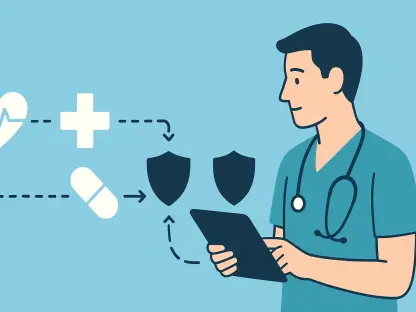

The rapid decentralization of American healthcare has fundamentally altered how patients interact with obesity medicine, shifting the paradigm from sterile waiting rooms toward intuitive digital interfaces. As of early 2026, the landscape of weight management is unrecognizable compared to the localized clinical models of previous decades. Statistics now indicate that approximately 11% of the American population utilizes GLP-1 receptor agonists, with a striking 17% of these prescriptions originating from digital health platforms rather than traditional primary care offices. This movement reflects a broader societal preference for accessibility, yet it raises critical questions regarding the depth of clinical oversight and the long-term efficacy of remote care. The emergence of specialized platforms such as Sprout Health, TrimRX, Gala Health, Amazon One Medical, Found, Ro, and Noom has created a competitive ecosystem where technology-driven convenience often challenges the established rigor of in-person medical environments.
Evolution of Modern Weight Management
The transition from traditional, in-person clinical weight care to decentralized digital health platforms has been accelerated by the demand for more efficient chronic disease management. In the past, seeking treatment for obesity required multiple visits to specialist clinics, frequent bureaucratic delays, and a significant time commitment that many working professionals could not maintain. Modern platforms like Gala Health and Ro have bridged this gap by offering streamlined onboarding processes that prioritize the patient’s schedule. This evolution is not merely about convenience; it represents a fundamental shift in how metabolic health is monitored. Digital platforms utilize asynchronous communication and integrated data tracking to provide a level of oversight that was previously impossible to achieve through monthly or quarterly physical appointments.
At the center of this transformation is the rise of GLP-1 receptor agonists, such as Wegovy and Zepbound, which have become the gold standard for weight reduction. These medications mimic naturally occurring hormones to regulate appetite and blood sugar, offering a biological solution to what was once viewed primarily through a behavioral lens. Telehealth platforms have embraced both brand-name pharmaceutical options and compounded alternatives to ensure that patients have access to treatment even during national supply chain shortages. For instance, while Amazon One Medical focuses on the delivery of FDA-approved brand-name drugs through its extensive pharmacy network, platforms like Found and Noom provide a broader range of options, including compounded semaglutide and tirzepatide for those seeking more cost-effective paths.
Understanding the nuance of this digital shift requires a comparison between the clinical rigor of traditional environments and the technology-driven efficiency of telehealth. Traditional clinics often offer the benefit of a physical examination and a more personal connection between the patient and the physician. However, the wait times and administrative hurdles of these legacy systems can often deter patients from consistent follow-up care. In contrast, digital platforms use data-driven algorithms and remote monitoring to ensure that patients are meeting their metabolic milestones. This tension between the high-touch nature of the clinic and the high-tech nature of the app defines the current state of weight management in 2026.
Core Pillars of the Comparison
Clinical Oversight and Provider Continuity
One of the most significant points of contention when comparing telehealth to traditional care is the stability of the patient-provider relationship. Traditional clinics are built on a foundation of longitudinal care, where a single physician manages a patient’s health over several years. In the digital space, there is a legitimate concern regarding the “rotating clinician” risk, where patients may interact with a different healthcare professional during every consultation. Sprout Health and TrimRX have addressed this by emphasizing provider continuity, ensuring that the same board-certified clinician follows the patient’s progress from the initial screening through the maintenance phase. This continuity is essential for detecting subtle changes in a patient’s health that a new provider might overlook.
The screening rigor employed by these platforms serves as a critical safety barrier that rivals, and sometimes exceeds, traditional clinical standards. Before any medication is prescribed, platforms like Sprout Health require mandatory medical questionnaires that involve a comprehensive review of family history, with a specific focus on medullary thyroid cancer risks. Moreover, the integration of laboratory testing has become an industry standard for reputable digital providers. By requiring blood work to monitor kidney and liver function, telehealth platforms ensure that the administration of GLP-1s is supported by hard data rather than just patient self-reporting. This level of scrutiny helps mitigate the risks associated with prescribing powerful metabolic drugs in a remote setting.
Beyond the initial screening, the ongoing management of side effects through “titration” is a cornerstone of the telehealth clinical model. This process involves the gradual increase of dosage over several months to allow the patient’s gastrointestinal system to adjust. While traditional doctors also follow these protocols, digital platforms like Noom have taken it a step further by offering flexible “microdosing” options that can be adjusted in real-time based on the severity of a patient’s symptoms. This granular level of control is facilitated by 24/7 messaging capabilities, such as those offered by Ro, which provide a safety net for patients who experience nausea or other issues outside of regular business hours.
Financial Models and Insurance Integration
The financial structure of weight management has diverged into two distinct paths: the “Insurance-First” model and the “Subscription/Cash” model. Amazon One Medical and Found represent the vanguard of insurance integration, focusing their efforts on helping patients secure coverage through traditional health plans. This approach is highly valued by consumers, as evidenced by Amazon One Medical’s 4.9 out of 5 rating for insurance support. These platforms employ dedicated prior authorization teams that navigate the complex administrative hurdles required to prove medical necessity to insurance companies. For many, this is the only sustainable way to afford high-cost medications like Zepbound over the long term.
Conversely, platforms like Ro and TrimRX have found success with a subscription-based cash model that bypasses the insurance bureaucracy entirely. In this model, patients pay a flat monthly fee that typically covers the cost of clinical consultations, lab orders, and sometimes the medication itself. This offers a level of pricing predictability and speed that the insurance-driven model cannot match. To increase transparency, these programs have moved toward the “unbundling” of fees. This means that membership costs are clearly separated from medication costs, allowing patients to understand exactly what they are paying for—whether it is the professional time of a physician or the pharmaceutical product delivered to their door.
The administrative efficiency of telehealth also plays a role in the financial comparison. In a traditional primary care setting, the burden of managing insurance paperwork often falls on a small office staff, leading to delays and denied claims. Telehealth platforms utilize automated systems and specialized administrative teams to handle these tasks more effectively. While the out-of-pocket costs for a subscription may be higher initially, the reduction in time-related costs and the increased likelihood of securing a successful prior authorization can make digital platforms a more financially viable option for many patients in the 2026 economy.
Medication Sourcing and Quality Standards
The debate between FDA-approved brand-name drugs and compounded alternatives is a central theme in modern weight care. Brand-name medications like Wegovy and Zepbound are the gold standard for safety and efficacy, having undergone rigorous clinical trials. However, their high demand often leads to national shortages that can disrupt a patient’s treatment cycle. Amazon One Medical and Ro prioritize these brand-name options, leveraging their supply chain partnerships to maintain inventory. For patients who prioritize regulatory oversight and manufacturing consistency, these brand-name options remain the preferred choice despite their higher price tags.
Compounded medications have emerged as a necessary alternative for many patients, offered by platforms like Ro, Found, and Noom. These drugs are custom-mixed by specialized pharmacies and often provide a more affordable and accessible path to treatment during shortages. While compounded medications are not FDA-approved in the same way as brand-name drugs, they are produced in regulated facilities that follow strict compounding standards. The primary challenge remains the lack of standardized regulatory oversight across all compounding pharmacies, which makes the choice of platform critical. Reputable telehealth providers only partner with pharmacies that meet high quality-control benchmarks to ensure patient safety.
Regardless of the source, the industry standard for managing GLP-1 medications is rooted in a structured titration schedule. This gradual dosing strategy is essential for minimizing the gastrointestinal side effects that are common with semaglutide and tirzepatide. Top platforms have refined this process through data-driven insights, allowing them to predict which patients may struggle with certain dosage increases. By combining high-quality medication sourcing with precise dosing protocols, telehealth programs have demonstrated that remote medication management can be both safe and effective when executed with clinical precision.
Challenges and Considerations in Digital Weight Care
The transition to digital weight care is not without its real-world obstacles, particularly regarding supply chain volatility and patient consistency. National shortages of brand-name GLP-1 medications continue to be a significant hurdle, often forcing patients to switch between different drugs or seek compounded alternatives. This lack of consistency can impact the overall effectiveness of the treatment and lead to frustration for the patient. Traditional clinics often have fewer resources to track down medication inventory across multiple pharmacies, whereas digital platforms like Ro use advanced logistical networks to locate and ship medications directly to the patient’s home, mitigating some of the supply chain pressure.
Onboarding friction is another challenge that varies significantly between platforms and traditional systems. While Gala Health has optimized its platform for the busy professional by reducing the time from the first click to the first prescription, other systems still struggle with bureaucratic hurdles. Traditional healthcare environments often require multiple in-person appointments before a prescription is even considered, which can be a deterrent for those with metabolic urgency. However, the speed of digital onboarding must be balanced against the need for thorough clinical vetting. High-quality platforms ensure that “speed” does not come at the expense of a comprehensive medical review or the necessary laboratory screenings.
Technical requirements, such as mandatory lab testing, also present a unique challenge in a remote setting. Patients must visit local Quest Diagnostics or Labcorp facilities to provide blood samples for monitoring kidney and liver function. While this is a necessary safety step, it requires a level of coordination between the digital platform and the physical lab that can sometimes lead to delays. The success of a program often depends on how well it integrates these physical touchpoints into the digital experience. Platforms that provide clear instructions and automated scheduling for these labs tend to see higher rates of patient compliance and better health outcomes over the long-term maintenance phase.
Privacy and the social stigma surrounding weight loss medications remain a concern for many individuals. Traditional pharmacy visits can feel exposed, leading some patients to avoid treatment altogether. Telehealth platforms have addressed this by offering “discreet shipping” services, a feature pioneered by Ro that ensures medications are delivered in plain packaging. This focus on privacy extends to the digital interactions themselves, where encrypted messaging allows patients to discuss their health concerns without the fear of being overheard in a crowded clinic. By addressing these social and logistical concerns, digital platforms have made it easier for a broader demographic to engage with obesity medicine.
Strategic Recommendations for Choosing a Program
When navigating the complex landscape of modern weight management, the choice of a program should be dictated by the patient’s specific clinical needs and financial circumstances. For individuals who prioritize clinical continuity and a deep relationship with their provider, Sprout Health and TrimRX represent the premier options in the digital space. These platforms are designed to mirror the physician-guided experience of a traditional clinic while offering the technological advantages of a remote platform. They are particularly well-suited for patients with complex medical histories who require a higher degree of oversight to manage their weight loss journey safely.
For those whose primary barrier to treatment is financial, Amazon One Medical provides the most robust support for insurance integration. Their ability to leverage a hybrid model—combining virtual visits with the option for in-person primary care—makes them a unique player in the 2026 market. Patients who have existing health insurance and want to minimize their out-of-pocket costs should look toward platforms that prioritize prior authorization and have a high rating for insurance assistance. In contrast, professionals who value time and privacy above all else may find that the subscription-based, discreet models of Ro or Gala Health better align with their lifestyle requirements.
Another critical consideration is the choice between a pharmacology-only approach and a “Medication-Plus” model. While medications like Wegovy and Zepbound are powerful tools, they are often most effective when paired with behavioral support. Noom’s psychology-driven coaching and Found’s focus on metabolic health offer a more holistic approach that addresses the root causes of weight gain. Data suggests that patients who utilize these supplemental supports can achieve up to 37% more weight loss than those who rely on medication alone. This suggests that for many, the best program is one that views the drug as a catalyst for a broader lifestyle transformation rather than a standalone solution.
Ultimately, a framework for evaluating these programs must be based on sourcing transparency, the flexibility of dosing, and the existence of a long-term maintenance strategy. Patients should seek out platforms that are open about where their medications are manufactured and whether they are using FDA-approved or compounded versions. Furthermore, as individuals reach their goal weights, the program must offer a clear path for titration down or maintenance to prevent the weight regain that often follows the discontinuation of GLP-1s. By evaluating these factors through a strategic lens, patients can select a program that not only helps them lose weight but also provides the tools necessary for sustainable, lifelong metabolic health.
The evaluation of the digital weight loss market revealed that the most successful platforms were those that balanced clinical safety with user-centric design. It was clear that the industry had matured beyond simple prescription fulfillment, moving instead toward comprehensive care ecosystems that integrated laboratory data and behavioral coaching. The data demonstrated that patients who engaged with platforms like Noom and Found achieved significant weight reduction, often reaching a 12% loss of total body weight within the first year of treatment. This success was largely attributed to the combination of pharmacological intervention and persistent medical oversight, which ensured that patients remained healthy throughout their metabolic shift.
The comparative analysis indicated that the choice between telehealth and traditional care was no longer a matter of quality, but rather one of preference and access. While traditional clinics provided the comfort of physical presence, digital platforms proved they could deliver equivalent medical outcomes through rigorous screening and remote monitoring protocols. The rise of these programs highlighted a shift in the healthcare economy, where the “unbundling” of services allowed for greater price transparency and more informed consumer choices. The findings suggested that as the medical field progressed, the integration of digital tools would become the standard for managing chronic conditions like obesity.
The transition toward digital obesity medicine was marked by an increased focus on long-term sustainability and the mitigation of social stigma. The availability of discreet shipping and 24/7 provider access allowed a larger segment of the population to seek help without the barriers of traditional systems. Looking ahead, the focus of the industry appeared to be shifting toward the refinement of maintenance protocols and the expansion of insurance coverage for these life-changing medications. The evolution of these seven platforms provided a blueprint for how technology could democratize high-quality medical care, making effective weight management accessible to anyone with a smartphone and a commitment to their health.