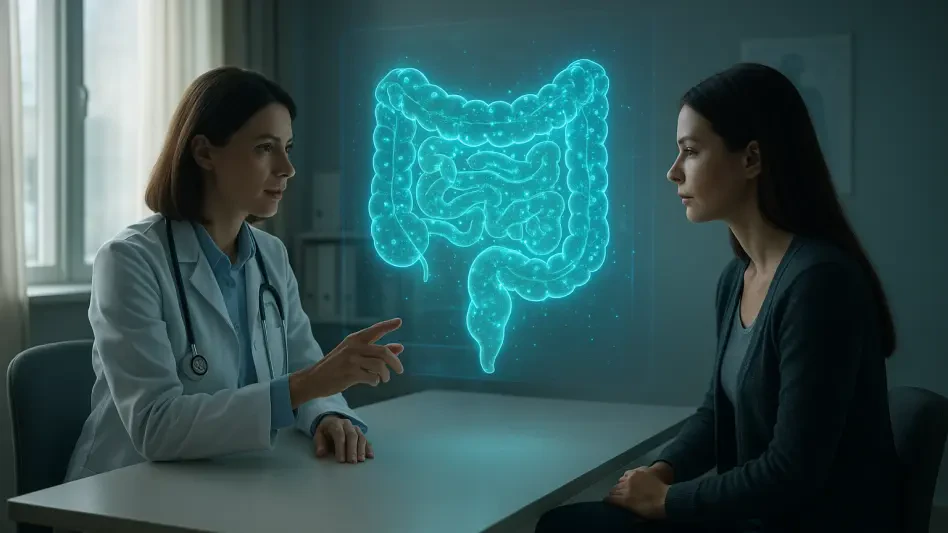

The integration of microbiota-based therapies into standard psychiatric care could offer a more personalized way to address the physiological roots of depression. Recent scientific breakthroughs have shifted the focus of mental health research from the brain in isolation to the intricate communication network known as the gut-brain axis. This shift recognizes that the gastrointestinal tract is more than a digestive organ; it is a complex endocrine and immunological hub that produces nearly 90 percent of the body’s serotonin. By 2026, the medical community has moved away from the singular focus on neurotransmitter levels in the synaptic cleft, instead investigating how microbial imbalances contribute to systemic inflammation and neural dysfunction. As clinicians increasingly identify specific bacterial markers associated with major depressive disorder, the potential for using targeted probiotics to alleviate symptoms has moved from a fringe concept to a cornerstone of modern biological psychiatry.
The Physiological Mechanics of Microbial Influence
The primary conduit for this microbial influence is the vagus nerve, which acts as a high-speed data line between the intestinal lining and the central nervous system. Beyond this direct neural connection, microbes secrete various metabolites, including short-chain fatty acids like butyrate and propionate, which play a critical role in maintaining the integrity of the blood-brain barrier. When the gut microbiome is in a state of dysbiosis, the resulting increase in intestinal permeability—often referred to as leaky gut—allows pro-inflammatory cytokines to enter the bloodstream and eventually the brain. This chronic low-grade inflammation is a significant driver of the lethargy, brain fog, and low mood commonly experienced by those with depression. Understanding these pathways allows for the development of interventions that target the physical source of the distress rather than simply dampening the emotional symptoms through traditional sedatives or heavy pharmacological agents.
Advanced genomic sequencing has identified specific bacterial strains, such as Faecalibacterium prausnitzii and Coprococcus, which are consistently depleted in individuals suffering from severe mood disorders. These beneficial microbes are essential for producing the anti-inflammatory environment necessary for optimal brain function. In response to these findings, the pharmaceutical industry has pioneered the creation of psychobiotics, which are live bacterial cultures designed specifically to treat psychiatric conditions. Unlike general health probiotics found in yogurt, psychobiotics are formulated to survive the harsh environment of the stomach and colonize the gut with strains that actively synthesize neuroactive molecules. Clinical data from the current period of 2026 to 2028 suggests that these targeted microbial supplements can significantly reduce scores on the Hamilton Depression Rating Scale, offering a viable alternative or adjunct to conventional therapies.
Implementing Microbiome Diagnostics and Therapeutic Strategies
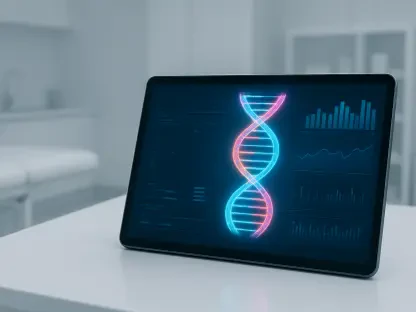
The adoption of precision medicine has transformed the diagnostic process, allowing for the creation of individualized treatment plans based on a patient’s unique microbial signature. Instead of the traditional trial-and-error approach to antidepressant prescription, clinicians now utilize comprehensive stool DNA sequencing to identify specific microbial deficits that correlate with the patient’s symptoms. This data-driven strategy enables healthcare providers to recommend exact prebiotic fibers and tailored probiotic cocktails that encourage the growth of missing beneficial bacteria. Furthermore, dietitians and psychiatrists are collaborating to implement nutritional interventions that support these microbial communities, such as specialized ketogenic or high-polyphenol diets. By mapping the internal ecosystem, medical professionals can predict which patients will respond best to certain therapies, thereby shortening the time to recovery and reducing the frustration often associated with mental health treatment.
The successful adoption of microbiota-based treatments provided a sustainable framework for long-term mental health that addressed the underlying biological causes of mood disorders. Medical institutions recommended that all practitioners incorporate comprehensive microbiome screenings as a baseline for new psychiatric assessments to ensure a holistic view of patient health. Healthcare systems prioritized the development of standardized psychobiotic protocols, which allowed for more consistent outcomes across diverse populations. Patients were encouraged to maintain their microbial health through a combination of fiber-rich nutrition and targeted supplementation, which effectively prevented the recurrence of depressive episodes. These actionable steps transitioned the field of psychiatry toward a more integrated model where the physical and mental aspects of well-being were treated as a unified system. This advancement ultimately empowered individuals to take an active role in managing their neurological health through accessible and biological means.