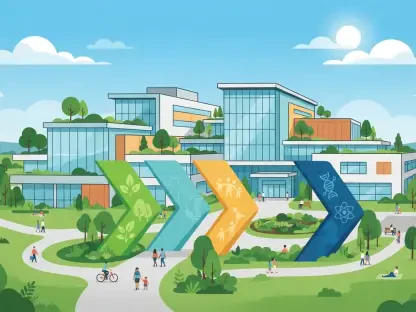

The landscape of healthcare in Northwest Indiana underwent a fundamental transformation when a modest vocational initiative launched in Gary decades ago, eventually evolving into a cornerstone of regional medical education. Established in 1975, the dental education program at Indiana University Northwest has reached its golden jubilee, marking five decades of academic excellence and community service. What began as a small-scale program designed to meet immediate vocational needs has expanded into a comprehensive academic powerhouse that offers four-year degrees and high-level clinical training. Throughout its history, the institution has successfully balanced the demands of rigorous scientific study with a profound commitment to the local population, ensuring that dental health remains accessible to all. This fifty-year journey is not merely a record of institutional growth but a testament to the enduring legacy of professional dedication that defines the experience of every student who walks through its doors in the modern era.
Institutional Evolution and Academic Growth
Five Decades of Dental Advancement
The origins of the dental program coincide with a period of significant cultural and technological upheaval across the United States, providing a unique backdrop for its early development. In the mid-1970s, as the cinematic world was being reshaped by blockbusters and the personal computing revolution was in its infancy, the Gary campus welcomed its first cohort of twelve students. These pioneers were focused primarily on dental hygiene and assisting, navigating a curriculum that was largely hands-on and vocationally oriented. However, the program’s commitment to quality quickly garnered attention from local practitioners, leading to a steady increase in reputation and demand. By the late 1990s, the facilities saw a dramatic surge in enrollment as more individuals recognized the value of a specialized education in a growing field. This initial success laid the groundwork for a more sophisticated academic framework that would eventually redefine dental hygiene education in the region.
Transitioning to the Baccalaureate Model
A major turning point in the program’s trajectory occurred when the curriculum officially transitioned to a full four-year baccalaureate degree track. This shift, finalized in the middle of the last decade, reflected a broader national trend toward increasing the academic depth required for healthcare professionals. Modern dental medicine demands a sophisticated understanding of systemic health, pharmacology, and advanced diagnostic technologies, all of which are now integral parts of the student experience. By extending the duration of study, the university ensured that graduates possess not only the technical dexterity required for clinical procedures but also the critical thinking skills necessary to manage complex patient cases. The evolution from a basic certificate program to a rigorous undergraduate degree demonstrates a proactive response to the changing needs of the dental industry. As technological advancements continue to reshape the field, the institution remains dedicated to providing a curriculum that stays ahead of professional standards.
Professional Mastery and Community Service
Excellence in Practice and Licensing Board Success
The success of the dental education initiative is perhaps most visible in the exceptional professional outcomes achieved by its graduates who consistently secure employment. Many students find themselves in the enviable position of entertaining multiple job offers from prestigious private practices and public health clinics well before they have even crossed the stage at graduation. This high demand is a direct result of the program’s unwavering commitment to excellence, which is reflected in the near-perfect success rates on national and state licensing boards. Under the guidance of seasoned educators who bring decades of clinical experience to the classroom, students undergo a remarkable personal transformation during their four years of study. Many enter the program with a degree of hesitation regarding their clinical abilities but emerge as poised and confident healthcare providers. This growth in professional assurance allows them to transition seamlessly into the fast-paced environment of modern dentistry.
Public Health Impact through the Campus Clinic
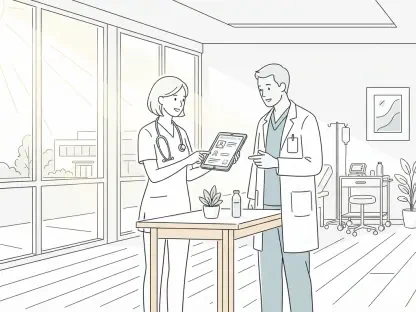
Central to the program’s identity is a philosophy that emphasizes patient education and preventive care over the simple execution of mechanical procedures. This mission is realized through the operations of the campus dental clinic, which serves as a vital bridge between theoretical classroom learning and real-world public service. By treating a diverse array of patients ranging from toddlers to the elderly, students gain hands-on clinical experience that is impossible to replicate in a laboratory setting. This facility provides affordable dental care to community members who may otherwise lack access to necessary services, fulfilling a crucial social responsibility for the university. The symbiotic relationship between the students and the local population ensures that the next generation of hygienists understands the profound impact of accessible healthcare on community well-being. Furthermore, the clinic acts as a training ground where students learn to navigate the cultural and social nuances of patient care.
The Human Element and Future Vision
Evolution of Cultural and Mentorship Norms
The internal culture of the dental program has undergone its own evolution, mirroring the broader social changes that have occurred since the mid-1970s. Faculty members who have served the institution for decades often recall an era characterized by rigid clinical formality and strict dress codes that bordered on the military. In those early years, communication between instructors and students was strictly professional and often one-directional, focusing primarily on the mastery of specific technical tasks. In contrast, the current educational environment is much more collaborative and supportive, fostering a sense of community among students and staff alike. Modern instructors prioritize mentorship and personalized guidance, creating an atmosphere where students feel comfortable seeking advice and exploring new ideas. This humanized approach to education includes extracurricular bonding and social events that help build lasting professional networks. The transition from austerity to a communal environment has significantly improved the student experience.
Technological Integration and Future Strategic Goals
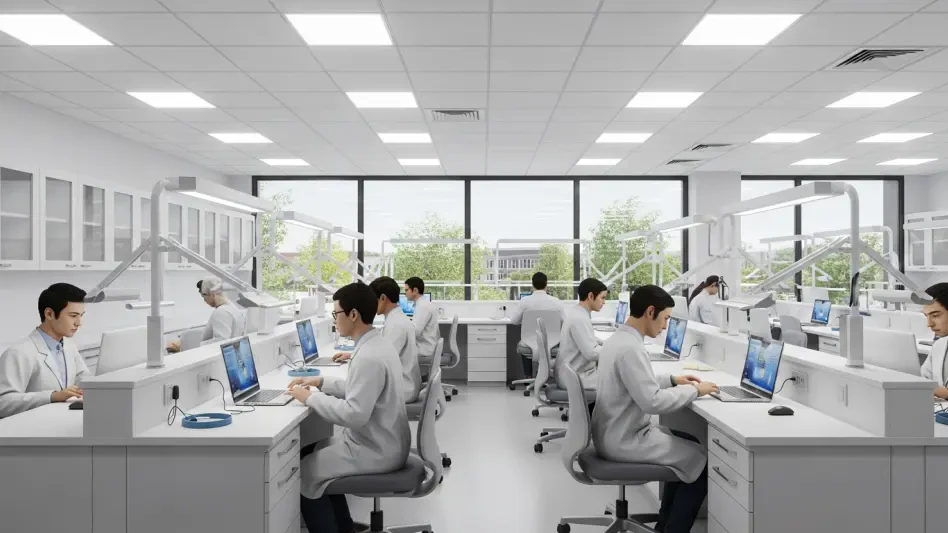
As the program marked its fiftieth anniversary with a reunion that brought together alumni from every decade, the focus shifted toward the future of dental education. The institution aimed to maintain its status as a regional leader by integrating the most advanced clinical technologies, such as digital scanning and precision imaging, into the daily curriculum. Planners recognized that the next fifty years would require a continued commitment to academic rigor while expanding the reach of the campus clinic to serve even more underserved populations. Strategy meetings emphasized the importance of staying ahead of industry trends and ensuring that graduates remained competitive in an increasingly automated medical field. By reinforcing the core values of compassion and technical excellence, the university prepared to navigate the complexities of the mid-21st century. The legacy of the past five decades provided a solid foundation for new initiatives that sought to improve patient outcomes through innovation. It was determined that the program would continue to serve as an essential asset to the regional healthcare landscape.