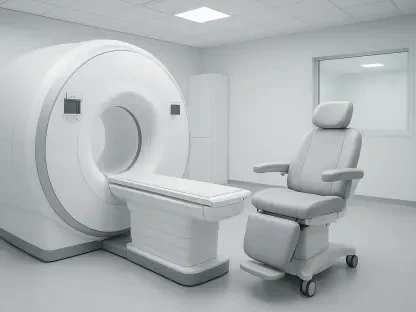

The transition from reactive healthcare to proactive disease management is being driven by the integration of massive genomic datasets into everyday clinical decision-making. The United Arab Emirates has long been recognized as a global crossroads for trade and energy, but a new frontier is emerging in the sterile labs and high-tech corridors of its burgeoning life sciences sector. For decades, the Middle East relied heavily on imported medical solutions, functioning primarily as a destination for foreign-made pharmaceuticals. However, this dynamic is undergoing a profound reversal as the nation invests billions into indigenous research and development. This evolution is not merely a policy shift but a total reimagining of what a national healthcare system can achieve when powered by modern biotechnology. By fostering an environment where innovation thrives, the UAE is effectively moving from the periphery of the global medical stage to a central, commanding role as a primary developer and manufacturer of advanced therapies.
Economic Trajectory and the Genomics Revolution
Market Growth: The Economic Maturation of Precision Medicine
Recent market analysis suggests that the precision medicine segment in the UAE and the wider region is poised for a significant expansion, with annual growth rates projected between 10% and 12% over the coming years. This surge is reflective of a broader trend where the Middle East and Africa pharmaceutical market, currently valued at nearly $60 billion, is maturing into a self-sustaining ecosystem. The financial commitment to digital infrastructure and biotechnology is paving the way for a market that mirrors the complexity and value of established Western counterparts. As the nation pivots toward high-value manufacturing, it is capturing a larger share of the global biopharma value chain, ensuring that economic benefits are retained locally. This strategic positioning is attracting significant foreign direct investment, as global entities recognize the region as a high-growth frontier for medical innovation. The resulting economic diversification is central to the country’s long-term sustainability goals.
Population DatThe Impact of Large-Scale Genomic Initiatives
At the absolute core of this scientific renaissance lies the Emirati Genome Program, a massive undertaking designed to map the genetic blueprint of the local population by collecting one million distinct samples. This initiative is far more than a data collection exercise; it serves as the foundational architecture for a new era of personalized medicine. By establishing a comprehensive UAE Reference Genome through the analysis of tens of thousands of individual samples, scientists are identifying specific genetic markers and variations unique to the Middle Eastern demographic. This wealth of information enables healthcare providers to transition from a generalized, one-size-fits-all medical model to a precision-based approach where treatments are tailored to the individual. Such a shift is essential for tackling chronic diseases and genetic disorders that have historically placed a heavy burden on the healthcare system. The integration of this data into clinical workflows allows for predictive diagnostics.
Industrial Clusters and AI-Driven Innovation
Large-Scale Infrastructure: Development of the HELM Cluster
The physical manifestation of this biopharma ambition is most visible in Abu Dhabi’s Health, Endurance, Longevity and Medicine (HELM) cluster, which represents a massive leap forward in industrial design and regional cooperation. This expansive complex is engineered to serve as a holistic ecosystem where biotechnology firms, pharmaceutical manufacturers, and artificial intelligence researchers can collaborate under one roof. Projections for the HELM cluster indicate it will become a massive driver of economic prosperity, potentially contributing over $25 billion to the local GDP by the middle of the current century. Beyond the impressive financial figures, the cluster is designed to generate approximately 30,000 specialized roles for a highly skilled workforce, effectively attracting top-tier global talent. By centralizing these resources, the UAE is creating a self-reinforcing cycle of innovation where proximity leads to faster breakthroughs. This industrial hub is a critical component of the national strategy to move away from oil dependency.
Rapid Drug Discovery: The Role of Artificial Intelligence
Artificial intelligence is acting as the primary engine of acceleration for the local pharmaceutical research and development sector, significantly shortening the time required to bring new therapies to the market. In the current year, the success of the Insilico Medicine center in Abu Dhabi has served as a powerful proof of concept, nominating the country’s first fully AI-discovered preclinical drug candidates. These breakthroughs in oncology and pain management were achieved in less than 12 months, a staggering improvement over the decade-long timelines typically associated with traditional drug discovery. By utilizing machine learning algorithms to scan massive libraries of chemical compounds and predict biological interactions, researchers are eliminating much of the expensive trial-and-error process. This technological edge not only reduces the cost of development but also ensures that life-saving treatments are delivered to patients with unprecedented speed. The ability to iterate rapidly on drug designs is positioning the local industry as a world leader.
Supply Chain Security and Strategic Alliances
Localized Manufacturing: Securing the Pharmaceutical Value Chain
To bolster national health security and minimize the risks associated with global supply chain disruptions, the UAE is making significant strides in localizing pharmaceutical manufacturing capabilities. The operational rollout of Mubadala Bio stands as a landmark initiative in this regard, focusing on the domestic production of critical biologics and advanced medical products. This strategic move aligns with a broader regional trend where neighboring nations are also establishing high-tech facilities to manufacture treatments for prevalent conditions like diabetes and obesity. By building these capabilities at home, the region is securing its access to essential medicines regardless of international political or economic shifts. This push for localization is creating a robust industrial base that supports advanced manufacturing techniques, such as continuous pharmaceutical processing. The establishment of these local supply chains also reduces the environmental impact of long-distance medical shipping, contributing to the nation’s broader sustainability goals.
International Collaboration: Connecting Global Research Networks
The rapid ascent of the local biopharma sector is being further amplified by high-level international collaborations and global industry events that facilitate the exchange of knowledge and capital. A notable example is the partnership between the Department of Health – Abu Dhabi and major global pharmaceutical firms, which leverages the emirate’s unique genomics infrastructure to advance precision medicine. These alliances allow international giants to access rare datasets while helping the local sector develop homegrown therapies that reflect the biological characteristics of the Middle Eastern population. Looking toward the upcoming World Health Expo in 2027, the introduction of dedicated Biotech and Pharma Zones will serve as a global marketplace for over 90,000 attendees from across the world. This event is designed to bridge the gap between laboratory discovery and commercial delivery, providing a platform for startups and established manufacturers to showcase their latest innovations. These platforms are vital for maintaining the momentum.
Strategic Integration: Future Insights into Biotechnological Growth
The strategic initiatives undertaken by the UAE successfully integrated disparate technological threads into a unified and powerful biopharma ecosystem. By prioritizing genomics and artificial intelligence, the nation effectively moved from a role of regional participation to one of global leadership in precision medicine. The establishment of massive industrial clusters and the localization of manufacturing provided a stable foundation for long-term health security and economic resilience. Moving forward, the focus was maintained on the regulatory agility that allowed these innovations to flourish so rapidly. Future considerations included the expansion of these genomic datasets to include even more diverse populations within the region, further refining the accuracy of personalized treatments. Stakeholders continued to foster international research alliances to ensure the local industry remained at the cutting edge of biotechnological breakthroughs. The transformation served as a blueprint for other nations seeking to modernize their healthcare sectors through deep-tech integration.