
Improving health literacy through shared experiences enables patients to become more effective self-advocates during high-stakes medical consultations. In a modern landscape where clinical interactions are often hurried and data-heavy, the Human Health Project has launched the Community Voices archive to serve as a vital bridge between patient experiences and medical understanding. This Northern Ireland-based charity focuses on capturing anonymous narratives that detail the nuanced journey from the first inkling of an ailment to eventual recovery. By integrating these stories into the Shared Patient Information program, the initiative creates a robust database of qualitative health insights. This approach acknowledges that the path to wellness is rarely a straight line. Often, the early, subtle signals of a condition are lost in translation during standard check-ups. Through this centralization of personal history, the project aims to foster a more profound public understanding of health while empowering individuals to detect signs of illness earlier than ever before.
Bridging the Information Gap: Valuing Subjective Realities
Traditional medical systems historically leaned on quantitative clinical data, such as high-resolution imaging and complex blood panels, to define the parameters of wellness. However, this clinical focus often marginalized the qualitative lived experience of the individual, creating a significant information gap between the patient’s reality and the physician’s diagnostic tools. The Community Voices initiative addressed this disparity by elevating personal stories to the same level of importance as laboratory results. By documenting the subtle, subjective shifts in a person’s physical and mental state, the archive provided a nuanced perspective that clinical tests simply cannot replicate. This shift in perspective allowed for a more comprehensive understanding of health, where the patient’s voice served as a critical data point rather than a secondary observation. Consequently, medical practitioners and patients alike began to view health through a much wider lens.
Beyond the broad strokes of a medical diagnosis, the Community Voices platform offered a granular examination of how chronic conditions impacted daily existence. These personal narratives often highlighted changes in sleep patterns, fluctuating energy levels, and emotional shifts that occurred long before a formal clinical identification was made. By synthesizing these accounts, the Shared Patient Information program provided a holistic view of the human experience during illness, focusing on the intersection of physical symptoms and routine disruptions. This detailed documentation helped others recognize early warning signs that were previously considered insignificant or unrelated. Furthermore, the platform fostered a unique educational environment where individuals learned to articulate their symptoms with greater precision. This increased clarity was essential for navigating the complexities of the modern healthcare system, ensuring that patients could effectively communicate their needs.
Technological Innovation: Transforming Data Into Advocacy
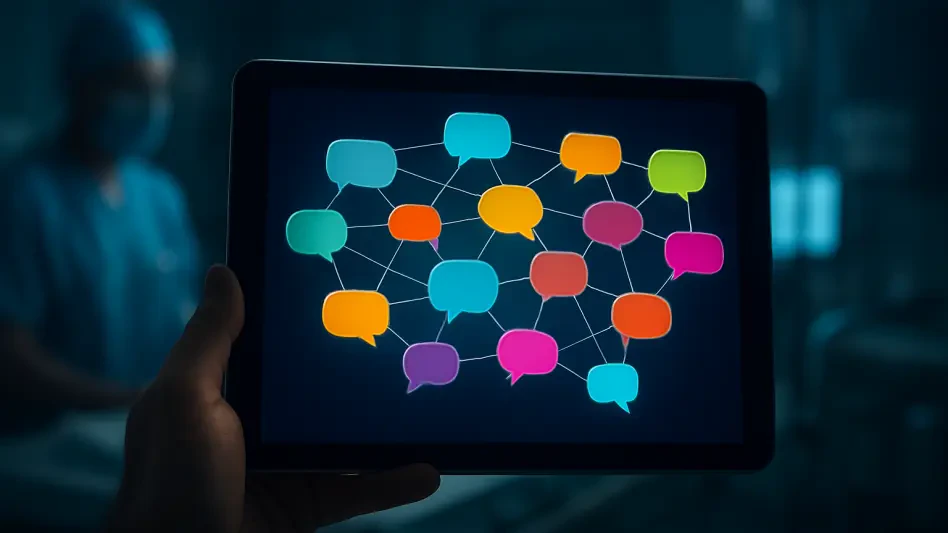
The integration of sophisticated technology transformed these personal stories into a powerful tool for collective advocacy and medical insight. Utilizing advanced artificial intelligence, the Community Voices archive analyzed thousands of narratives to identify recurring patterns in symptom onset, treatment side effects, and environmental triggers. This data-driven approach allowed the platform to move beyond simple storytelling, offering peer-matching services that connected individuals with remarkably similar health profiles. By facilitating these connections, the initiative significantly reduced the psychological isolation that often accompanied a chronic or undiagnosed illness. Furthermore, the use of condition-specific forums and community-wide surveys equipped users with a specific vocabulary tailored to their unique health challenges. This shared knowledge base empowered patients to enter medical appointments with a higher degree of confidence and armed them with data.
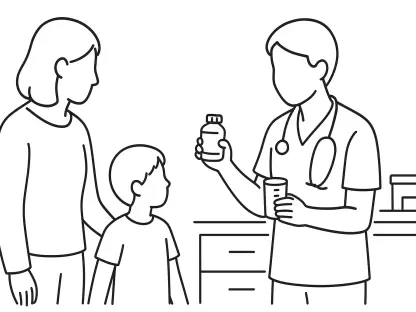
To maximize the impact of this collective wisdom, stakeholders prioritized actionable strategies that shifted the paradigm of patient-centered care. Healthcare organizations integrated patient-led data into training programs, ensuring that future clinicians recognized the value of lived experience as a diagnostic aid. Patients were encouraged to maintain personal health logs based on the patterns identified within the archive, which allowed them to present specific information during consultations. This systematic approach to self-observation improved the speed of diagnosis and the efficacy of treatment plans. Moreover, the project established a blueprint for peer education that empowered individuals to look beyond clinical metrics and trust their own physiological intuition. By leveraging these community voices, the medical field fostered a more inclusive environment where the patient’s narrative finally received respect. These efforts transformed health literacy into a vital component of wellness.