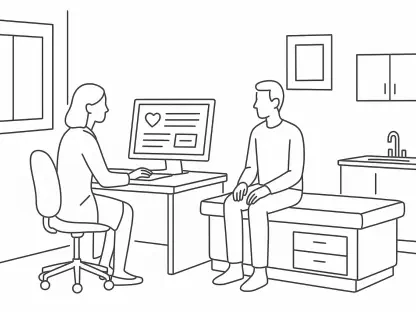

The relentless pursuit of professional excellence in Hong Kong has created a societal architecture where individual productivity often takes precedence over the fundamental biological necessity of psychological restoration and mental equilibrium. Observations of the metropolitan healthcare landscape in 2026 reveal a sector struggling to keep pace with the psychological demands of a hyper-competitive workforce. Traditional clinical models, while robust in crisis management, often fail to address the underlying erosion of wellness before it manifests as severe pathology. The integration of clinical psychology with academic research and public advocacy is no longer a luxury but a necessity for a sustainable urban future.
Modern healthcare in the city now requires an interdisciplinary approach that connects the sterile environment of the clinic with the dynamic reality of public life. While the public sector and various NGOs have historically managed the city’s psychological burden, the current density of stress requires more than just reactive support. The emergence of digital wellness tools and technological integration has begun to augment traditional therapy, offering residents new ways to monitor their mental health in real time. However, the human element remains irreplaceable in the complex process of emotional recovery and cognitive behavioral adjustment.
Decoding the High-Pressure Landscape of Hong Kong’s Mental Health Sector
The current state of mental health services reflects an environment where productivity is often used as a yardstick for personal value. This cultural orientation creates a significant hurdle for psychological wellness, as individuals frequently prioritize career advancement over their own physiological needs. Clinical psychology is now shifting to address these systemic pressures, moving beyond the treatment of disorders toward the cultivation of sustainable life habits. Academic research institutions are playing a vital role in this transition by providing data-driven insights into how high-density living affects neurological health.
NGOs and community organizations continue to serve as the backbone of the city’s support network, yet they face the challenge of overwhelming demand and limited resources. These entities are increasingly adopting technological tools to streamline their services, ensuring that help is available even when physical facilities are at capacity. This integration of digital wellness apps and remote consultation platforms is transforming the traditional therapy model into a more flexible and accessible system. Such innovations are essential for reaching the younger generation, who are more likely to seek help through anonymous or digital channels.
Transforming Cultural Stigma into Proactive Wellness
Breaking the “Glamorized Grind” Through Low-Intensity Interventions
The shift from crisis-driven clinical care to accessible, preventative services marks a significant turning point in the city’s approach to mental health. Low-intensity interventions, which focus on brief and targeted support for mild to moderate issues, are proving effective in catching problems before they escalate into major depressive episodes. By normalizing these early interactions, the healthcare system can reduce the stigma associated with seeking help, transforming it from a sign of weakness into a proactive strategy for personal growth. This movement is gaining traction particularly among university students and young professionals who are eager to maintain their performance without sacrificing their health.
Mindfulness initiatives and the creation of non-clinical spaces have been instrumental in encouraging help-seeking behavior across diverse demographics. When mental health resources are decoupled from the intimidating atmosphere of a hospital, individuals feel more comfortable engaging with them. Strategies for normalizing these conversations in corporate and academic environments involve integrating wellness checks into standard performance reviews and curriculum planning. This cultural shift ensures that mental health is viewed as a foundational component of success rather than an obstacle to be hidden or ignored.
Mapping the Growth of Hong Kong’s Preventative Care Market
Statistical overviews from 2026 indicate that public psychiatric wait times for non-urgent cases still exceed eighty weeks, creating a significant market for private and community-based alternatives. This gap has led to the rapid growth of “Healthy Mind” pilot projects and community wellness hubs that offer immediate, affordable care. Growth projections for the preventative care sector from 2026 to 2029 suggest a steady increase in private investment as corporations recognize the importance of employee well-being. The economic indicators are clear: the cost of treating chronic burnout is significantly higher than the investment required for early psychological intervention.
Community-based programs are increasingly focused on long-term outcomes, moving away from temporary fixes toward sustainable lifestyle changes. The return on investment for these programs is measured not only in reduced healthcare spending but also in increased workforce stability and social cohesion. As more data becomes available, the case for a preventative-first approach becomes undeniable, prompting both public and private sectors to recalibrate their financial priorities. This evolution in the market reflects a broader societal realization that a healthy mind is the most valuable asset in a knowledge-based economy.
Overcoming Structural Barriers and the Feedback Loop of Stress
Identifying the biological and social challenges of chronic stress is crucial for developing effective interventions in a high-density city. Stress is not merely a psychological experience; it is a physical process that impacts heart rate, sleep quality, and overall immune function. In Hong Kong, the proximity of living spaces and the lack of quiet zones exacerbate these physiological responses, creating a constant state of high alert. Addressing the disconnect between the city’s productivity-focused culture and the physical reality of the human body is the next major challenge for healthcare providers.
Bridging the gap between overstretched public infrastructure and patient needs requires a multifaceted strategy that includes both policy reform and grassroots innovation. The feedback loop of stress, where physical fatigue leads to mental exhaustion and vice versa, can only be broken through holistic care. By providing residents with the tools to manage their stress levels before they reach a breaking point, the city can alleviate the pressure on its emergency psychiatric services. This approach recognizes that individual health is deeply intertwined with the social and physical environment of the city.
The Regulatory Framework and Global Standards of Care
Government policy plays a central role in the integration of mental health services across various public departments, from education to labor. By examining the British translational model, local authorities are finding ways to ensure that academic breakthroughs are quickly converted into practical clinical treatments. Similarly, lessons from Singapore’s systemic wellness integration show the benefit of making mental health a cross-departmental priority. This global perspective helps Hong Kong maintain high professional standards for clinical psychologists while also pushing for more affordable care options for the general public.
Compliance with international standards ensures that the care provided in the city is both safe and effective, fostering public trust in the psychological profession. The push for a more regulated and transparent system is helping to eliminate unqualified practitioners and standardize the quality of care across different districts. As the regulatory framework evolves, it must remain flexible enough to incorporate new research and technological advancements. This balance of rigor and innovation is essential for creating a healthcare system that can adapt to the changing needs of a modern population.
Future Horizons: Innovation and the Sensory Approach to Healing
Emerging research into the underlying mechanisms of mood and personality disorders is providing new hope for more effective treatments in the near future. The rise of sensory anchors, which are personalized grounding rituals that help individuals stay present, represents a significant shift in modern therapy. These techniques are particularly useful for residents of high-pressure environments, offering a quick and discreet way to manage anxiety in the middle of a busy day. As researchers at institutions like Cambridge continue to explore these areas, their findings will inevitably shape the clinical practices adopted in the city.
The personalization of grounding rituals allows individuals to take ownership of their mental health journey, making therapy feel more like a lifestyle choice than a medical necessity. This sensory approach to healing acknowledges that every person experiences stress differently and requires a unique set of tools to navigate it. By integrating these innovations into standard care protocols, practitioners can offer more nuanced and effective support. The future of clinical care lies in this combination of high-level academic insight and practical, everyday applications that anyone can use.
Building a Resilient Society Through Holistic Mental Health Reform
The vision for a de-stigmatized and integrated healthcare system advocated by King Chan provided a necessary blueprint for long-term societal resilience. It was clear that the traditional boundaries between mental and physical health needed to be dissolved to address the complexities of urban life. The implementation of low-intensity interventions and community-based support structures successfully lowered the barriers to entry for those seeking help. These initiatives ensured that psychological wellness was no longer viewed as a luxury but as a fundamental right for every resident.
Actionable steps were taken to bridge the gap between academic research and clinical practice, ensuring that the latest scientific findings directly benefited the public. The focus shifted toward preventative care and early intervention, which significantly reduced the long-term economic and social costs of mental illness. As the city moved toward a more holistic model of care, it established itself as a potential leader in urban mental health innovation. The residents were better equipped to maintain a sustainable balance between their professional ambitions and their personal well-being, fostering a more stable and prosperous society.