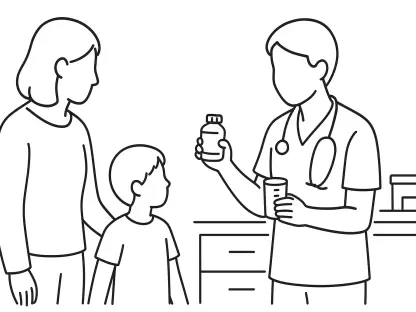

Addressing vaccine hesitancy requires a shift in focus from simply convincing parents to understanding the human emotions behind their medical decisions. In the current medical landscape, the relationship between healthcare providers and families has become increasingly strained as pediatric immunizations face unprecedented scrutiny. Dr. Joni Bhutra, a pediatrician and medical director, argues that this hesitancy is not merely a clash between scientific evidence and digital misinformation but a reflection of a deeper deficit in trust. Trust serves as the primary currency of effective medicine, and when it is depleted, the resulting gap is often filled with anxiety and skepticism. Rather than bombarding parents with more clinical data that can feel impersonal or overwhelming, medical professionals must prioritize the cultivation of strong, empathetic relationships. By recognizing that parents are making decisions based on love and protection, doctors can transform clinical encounters into meaningful dialogues that prioritize the child’s long-term health.
Navigating Structural Barriers and Competing Fears
The Impact of Systemic Constraints on Patient Rapport
The evolution of the modern healthcare system has inadvertently created structural barriers that undermine the very rapport necessary for effective medical guidance. Most office visits are now compressed into tight twenty-minute windows where a pediatrician is expected to address an exhaustive checklist of developmental milestones, nutrition, and mental health screenings. This high-pressure environment leaves little room for the slow, nuanced conversations required to unpack complex vaccine concerns. Furthermore, the lack of continuity in many large health systems means families often see a revolving door of different clinicians at every appointment, preventing the development of a long-term bond. When a parent encounters a different doctor every few months, the inherent trust that comes from a shared history is lost. Without this foundation, recommendations for immunizations can feel like institutional mandates rather than personalized advice from a trusted advisor who understands the specific needs of their child.
Bridging the Gap Between Parental and Professional Concerns
At the heart of the vaccine debate lies a complex dynamic defined by competing fears, where both the parent and the healthcare provider are fundamentally motivated by the same desire: the safety of the child. Parents who express hesitancy are often paralyzed by the fear of making a choice that could result in unintended side effects or long-term complications. This anxiety is frequently exacerbated by sensationalized stories and anecdotal evidence that resonate on an emotional level. On the other side of the examination table, healthcare professionals are driven by the fear of witnessing preventable tragedies, such as the resurgence of diseases that were once considered eradicated. They carry the weight of knowing how quickly public health can deteriorate when collective immunity wanes. By acknowledging these shared motivations, clinicians can begin to bridge the emotional gap that often leads to adversarial interactions. Recognizing that both parties are seeking the best outcome changes the tone.
Rebuilding Public Confidence Through Compassion
The Essential Role of Listening in Clinical Practice
The path to restoring public confidence in immunization programs does not lie in the aggressive presentation of statistics, but in the intentional practice of genuine empathy within the clinical setting. Empathy is often misinterpreted as an abandonment of scientific rigor, yet it is actually a vital diagnostic tool that allows a physician to identify the specific root of a parent’s concern. Every family brings a unique history and set of influences to the table, and a one-size-fits-all approach to vaccine education often fails to resonate. By listening long enough to understand whether a parent’s hesitation stems from a fear of ingredients or a concern about the timing of the schedule, the doctor can tailor their response appropriately. This level of active listening demonstrates a profound respect for the parent’s perspective, which is essential for building a bridge of trust. When a parent feels heard and respected, they become significantly more receptive to medical recommendations.
Understanding the Invisibility of Public Health Successes
One of the greatest challenges in promoting vaccination was that the successes of public health remained largely invisible to the public. When vaccines worked, children did not contract debilitating diseases, and families were spared from tragedy; however, these non-events rarely made headlines or went viral. To counter this trend, healthcare providers utilized local data and real-world impacts to remind the community that the quiet success of immunization was a hard-won achievement requiring constant vigilance. Clinicians moved toward sharing narrative-driven examples of how prevention saved lives, making the benefits feel more tangible and immediate. Future strategies involved strengthening community partnerships between schools and health departments to create a unified message of safety and trust. By shifting from a reactive posture to one of proactive, empathetic engagement, the medical community successfully addressed the psychological barriers that fueled hesitancy, ensuring that care remained focused on protecting children.