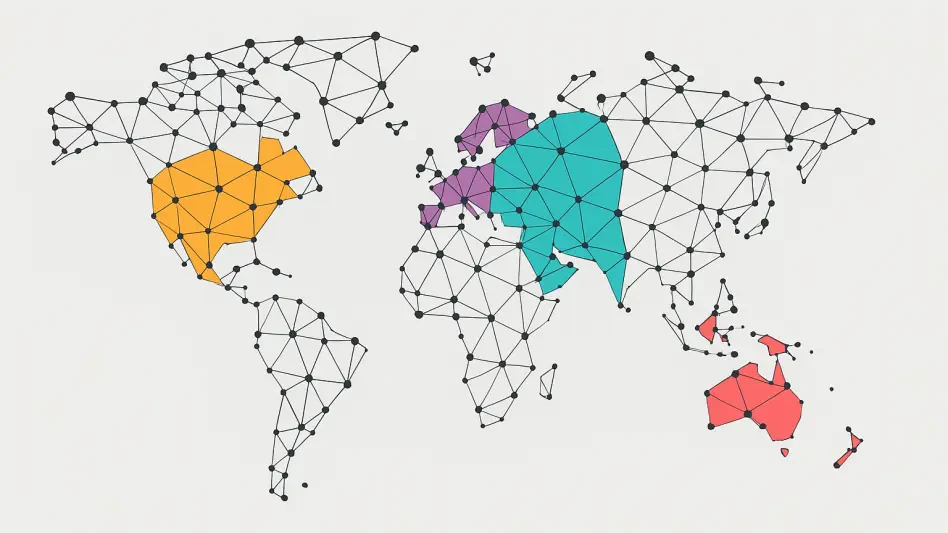

The current landscape of dengue prevention is characterized by a wealth of raw data but a critical shortage of the digested information required for large-scale policy implementation. This discrepancy has become increasingly apparent as dengue fever continues its aggressive expansion across the globe, driven by the volatile combination of climate change, rapid urbanization, and a resurgence in international travel. Public health officials are now facing a situation where hundreds of primary studies are available, yet few provide the clear, high-quality synthesis necessary to guide massive investment in disease control strategies. To address this structural weakness, researchers have developed an Evidence and Gap Map, a sophisticated diagnostic tool designed to evaluate the current state of global dengue prevention research. This map serves as the first systematic effort to consolidate primary studies and existing reviews into a format that highlights the synthesis gap between raw scientific activity and actionable policy intelligence.
Analyzing Discrepancies: Data in Disease Prevention
The Disconnect: Educational Initiatives and Epidemiological Impact
One of the most documented areas of research identified in the Evidence and Gap Map is community education, which focuses on strategies like eliminating standing water and engaging schools to foster long-term safety habits. Despite the existence of 47 randomized trials and 140 non-randomized studies on this topic, a startling deficiency remains in the quality of synthesized evidence. The data often illustrates a change in human behavior or a decrease in local mosquito populations, but it frequently fails to prove that these actions lead to a tangible reduction in the spread of the virus among the human population. This highlights a persistent trend in dengue research where entomological outcomes—such as mosquito counts—are prioritized over the epidemiological outcomes that actually measure human health improvements. Without this crucial link, public health officials find it difficult to justify the broad deployment of education programs that lack a proven impact on clinical infection rates.
Synthesis Gaps: Mosquito Control and Vaccination
Beyond educational programs, the map identifies severe deficiencies in intervention areas such as adult mosquito control and larval stage interventions. While chemical spraying and habitat management are common practices, most systematic reviews evaluating their effectiveness are now considered outdated and do not reflect the current ecological realities of urban environments. A notable exception to this trend is the recent research into Wolbachia-infected mosquitoes, which has provided a more modern dataset for synthesis. However, the situation regarding dengue vaccines remains equally problematic; while clinical trials have thoroughly established their safety and efficacy in controlled laboratory settings, there is a near-total absence of synthesized evidence regarding their performance in real-world public health scenarios. Implementation data and behavioral factors, such as public acceptance and the logistical challenges of mass rollout, remain largely unexamined by high-level researchers.
Strategic Frameworks: Directing Future Research
Collaborative Engagement: Stakeholders and Policymakers
To ensure that future research remains relevant to the needs of those on the front lines, Cochrane collaborated with a diverse group of stakeholders, including policymakers and civil society representatives from organizations such as the Brazilian NGO Instituto Veredas. These participants were instrumental in identifying the specific areas where evidence is most lacking, prioritizing the study of adverse effects across four critical domains: environmental interventions, community education, and both aquatic and adult vector control. This collaborative approach transformed the mapping process from a purely academic exercise into a practical roadmap for global health funders. By highlighting these specific “white spaces” in the current body of knowledge, the map allows for a more strategic allocation of resources. It ensures that the scientific community is not merely repeating old experiments but is instead addressing the practical challenges faced by health workers in high-burden regions.
Digital Tools: Evidence-Based Decision Making
The methodology behind this initiative utilized the Cochrane Crowd citizen-science platform combined with advanced visualization software to provide a dynamic interface for health officials. Users were given the ability to filter evidence by intervention type and specific outcomes, which made the gaps in current knowledge instantly visible. The authors determined that the future of dengue prevention required a shift away from simply monitoring mosquito populations toward a more comprehensive understanding of human health impacts. They emphasized that the global health community had to prioritize updated systematic reviews that focused on real-world implementation and behavioral responses. By bridging the gap between laboratory findings and community health, the researchers suggested that future strategies would become more scalable and effective. This transition toward integrated data synthesis provided a necessary foundation for building resilient public health systems capable of curbing the viral spread.