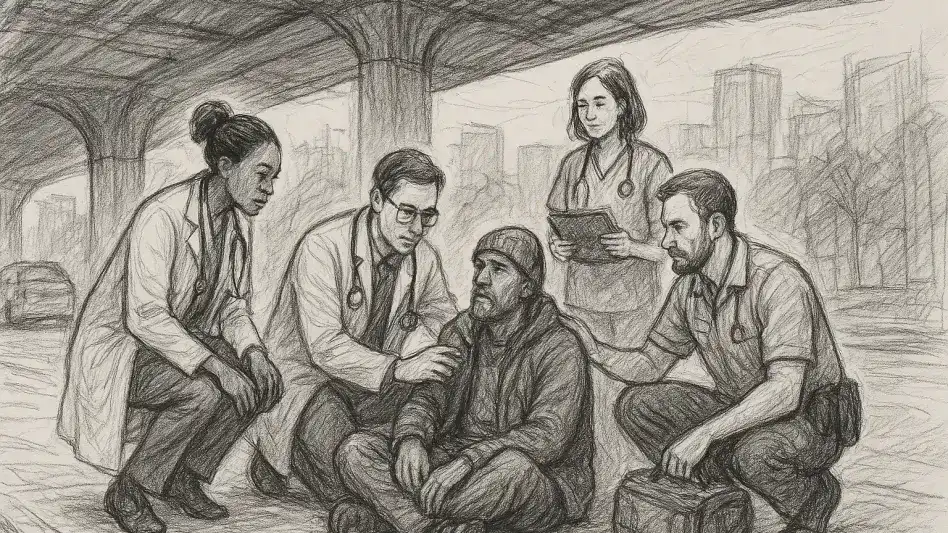

Building rapport through three-times-weekly visits is a cornerstone of the strategy to overcome the healthcare barriers faced by those in the Cuyahoga County shelter system. This proactive initiative is powered by a significant $2.5 million federal grant from the Health Resources and Services Administration, which funds a comprehensive five-year transformation from July 1, 2026, through June 30, 2031. MetroHealth is leading this charge to redefine how medical services are delivered to the unhoused population in Cleveland by dismantling systemic hurdles that have long prevented vulnerable citizens from obtaining necessary care. For those living in encampments or on the streets, traditional clinical settings often feel inaccessible due to a lack of reliable transportation and a history of institutional mistrust. By shifting the clinical focus from stationary hospital rooms to the sidewalks and shelters where people live, the program aims to provide high-quality medical services to individuals who have been historically marginalized by the system.
Integrating Advanced Diagnostics and Specialized Care
To effectively bring medical interventions to the curb, the program utilizes sophisticated, portable technology that replicates the diagnostic capabilities of a modern clinic in an outdoor setting. Resident physicians are now equipped with handheld point-of-care ultrasound devices, allowing for immediate internal imaging that would typically require a scheduled hospital visit. Furthermore, handheld hemoglobin A1C machines and rapid bedside testing kits enable clinicians to manage chronic conditions like diabetes and various acute infections on the spot. This technological integration is not merely about convenience; it is about providing the same standard of care to an unsheltered patient as one would receive in a suburban medical center. By performing these screenings in the field, the medical team can provide immediate results, which is crucial for a population whose lives are often characterized by transience and survival-focused priorities that make waiting for traditional laboratory tests difficult.
This initiative draws upon a multidisciplinary team of residents specializing in family medicine, psychiatry, internal medicine, and addiction care to address the complex and overlapping needs of the unhoused. Many individuals living on the street face a combination of physical ailments, mental health challenges, and substance use disorders, all of which require a synchronized treatment approach. By having specialists present at the point of care, the program eliminates the “referral gap,” a phenomenon where patients are given instructions to visit an emergency department or a specialist but are unable to follow through due to logistical or personal barriers. Diagnosing and treating these issues simultaneously during a single interaction ensures that a patient’s health does not deteriorate while they wait for an appointment that might never happen. This model of clinical specialization ensures that street medicine is not just a triage service but a comprehensive medical home that travels to the patient.
Alleviating Pressure on the Emergency Care System
Beyond the direct benefits to individual patients, this street medicine initiative serves as a vital public health strategy designed to decompress the heavily burdened local emergency care infrastructure. For a significant portion of the unhoused population, the emergency department has historically been the only point of entry into the healthcare system, often used for non-emergency issues that could have been managed through primary care. This reliance on high-cost emergency services for routine ailments creates a significant strain on hospital resources and increases wait times for the entire Cleveland community. By managing conditions like hypertension, respiratory infections, and wound care directly on the streets, MetroHealth effectively prevents minor health concerns from escalating into life-threatening crises that require hospitalization. This shift toward proactive, community-based intervention optimizes the use of regional medical assets while ensuring that the most vulnerable receive care.
The establishment of this street medicine framework provided a blueprint for future health equity initiatives by normalizing non-traditional care delivery within medical education. As the program moved forward, it successfully cultivated a dedicated workforce of physicians who viewed community-based care as an essential component of their professional identity. Looking ahead, the expansion of the virtual lecture series and the continued integration of advanced diagnostic tools will remain critical for maintaining the high standards of care established during the initial phases of the grant. Healthcare leaders prioritized the scaling of these mobile units to cover additional neighborhoods, ensuring that the lessons learned from the Cuyahoga County shelter system were applied across the region. By securing long-term funding streams and fostering ongoing collaboration between medical institutions and local advocacy groups, the city took decisive steps toward a future where healthcare access was no longer dictated by a fixed address.