
For years, the 1.7 million Americans living with chronic hepatitis B have been tethered to daily pills, a lifelong commitment that offers viral suppression but rarely a true exit from the disease. The recent FDA approval of Hibsago represents a seismic shift in this landscape, moving the goalpost from perpetual management toward the possibility of a functional cure. This antisense oligonucleotide therapy is redefining what is possible for patients who have long faced the shadow of liver cancer and end-stage disease by offering a finite treatment window with lasting results.
The shift from lifelong antiviral suppression to a potential functional cure marks a turning point in infectious disease. How does the mechanism of degrading messenger RNA allow the body to regain the upper hand against hepatitis B in a way that previous therapies simply could not?
Traditional antivirals act like a lid on a boiling pot, inhibiting viral DNA or stimulating a generic immune response, but the virus itself remains deeply entrenched within the host’s cells. Hibsago, an antisense oligonucleotide, essentially enters the cellular machinery to shred the messenger RNA of the hepatitis B virus. By systematically degrading this mRNA, the drug slashes the production of viral proteins and DNA, which often act as a chemical smoke screen that confuses and exhausts the immune system. When these levels drop low enough during the 24-week treatment course, the patient’s own immune defenses can finally “see” the virus again, stepping in to maintain control long after the injections stop. It is a profound change to see viral protein markers vanish from the blood, offering a level of physical and psychological relief for patients who have spent decades fearing the silent progression of liver damage.
The clinical data behind this approval has sparked significant conversation, particularly regarding the duration of treatment. What specific outcomes from the Phase 3 studies give you the most confidence in this six-month regimen?
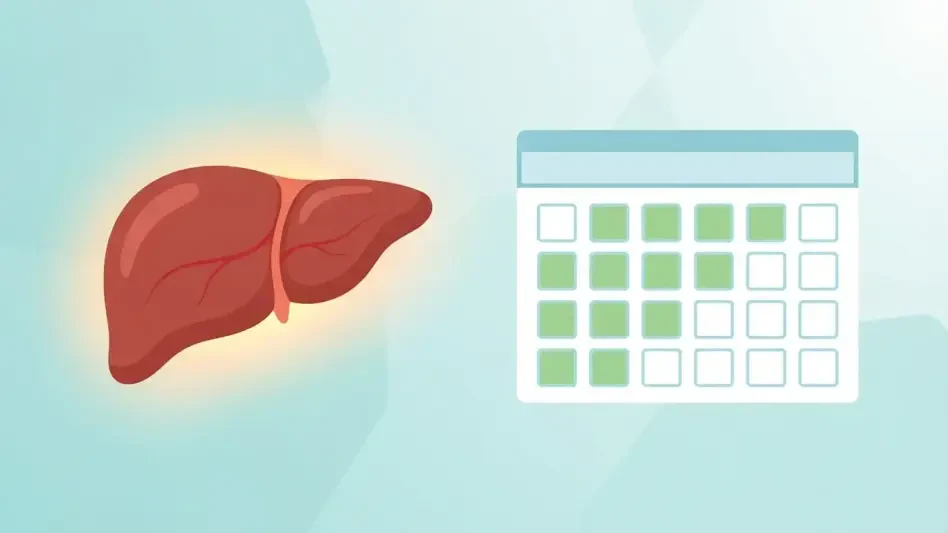
The Phase 3 data was a breakthrough, showing that 24% of participants were able to stop their existing daily antivirals during the trial period because the drug had performed so effectively. This was not just a temporary dip in viral activity; 24 weeks after stopping all treatment, 19% of the patients in the Hibsago arm still had the virus under control and undetectable levels of the surface antigen protein. In a field where the placebo arm saw zero percent success in stopping medication, these numbers represent a tangible path to freedom for nearly one-fifth of the eligible population. There is a specific clinical weight to seeing a patient transition from a weekly injection back to a life without any medication at all while maintaining a healthy liver profile. It validates the revolutionary idea that a finite, 24-week window can reset the biological standoff between the host and the virus permanently.
Safety is always a critical concern with first-in-class therapies, and the FDA has included a black box warning for Hibsago. How should clinicians navigate the risks of liver enzyme elevations and platelet drops while pursuing a functional cure?
Clinicians must approach Hibsago with a disciplined monitoring protocol, as the drug can trigger significant elevations in liver enzymes and a dangerous reduction in blood platelets. The black box warning is not there to deter use, but to ensure that liver function tests are conducted both before the first dose and periodically throughout the treatment cycle to catch any signs of toxicity early. We are also watching for a potential reduction in blood platelet levels that raises the risk of life-threatening bleeding, which means regular blood work is non-negotiable for these patients. While the most common side effects like fever, fatigue, and injection site reactions are generally manageable, the potential for liver flares requires a sharp eye on the lab data during those first few months. Balancing the high-stakes reward of a functional cure against these systemic risks is the new reality of managing advanced antisense therapies in a clinical setting.
Not every patient with chronic hepatitis B is a candidate for this new approach. What determines the eligibility for this treatment, and how does the integrated diagnostic process streamline the path to care?
The regulatory decision specifically targets patients without liver cirrhosis who have already spent at least six months on standard antiviral therapy to suppress their viral DNA. This ensures the patient’s liver is stable enough to handle the potential immune flare-up that comes when the body begins clearing the virus more aggressively. Crucially, the process relies on a companion diagnostic developed by Roche, which measures hepatitis B surface antigen levels to ensure they fall below a specific threshold before treatment begins. This precision medicine approach means we are not guessing who will respond; we are using high-tech screening to identify the individuals most likely to achieve that 19% sustained response rate. It turns a broad-spectrum challenge into a targeted strike against the virus, prioritizing safety and efficacy through rigorous pre-screening of the patient’s current viral load.
With analysts projecting the hepatitis B market to grow to more than $7 billion by 2035, how do you see Hibsago’s blockbuster potential influencing the broader pharmaceutical landscape and future research alliances?
The commercial trajectory for Hibsago is massive, especially considering the current chronic hepatitis B market is valued at approximately $2.5 billion annually. The partnership between Ionis Pharmaceuticals and GSK is a masterclass in long-term collaboration, starting back in 2010 and potentially resulting in over $510 million in milestones for Ionis as the drug gains global traction. This success will likely encourage more “license-and-develop” models where antisense specialists provide the platform and major players provide the global commercial muscle and regulatory expertise. Even though the rollout may be gradual due to the intense monitoring requirements and the need for companion diagnostics, the prospect of a six-month blockbuster treatment is a far more attractive economic and clinical model than low-margin daily generics. It proves that the market is willing to pay a premium for therapies that can actually end the cycle of chronic disease rather than just managing it indefinitely.
What is your forecast for the hepatitis B treatment landscape?
I believe we are entering an era where hepatitis B will no longer be viewed as a “life sentence” but as a curable condition for the vast majority of patients. Over the next few years, I expect we will see Hibsago combined with other emerging immunotherapies to push that 19% functional cure rate much higher, perhaps even doubling it through synergistic effects. As these companion diagnostics become more refined and the monitoring protocols become more routine in local clinics, the barrier to entry will drop, making this 24-week “reset” the global gold standard of care. By the end of the decade, the conversation will likely shift entirely away from lifelong suppression and toward identifying the exact combination of antisense drugs and vaccines needed to eradicate the virus from a patient’s system for good.