
The rapid rollout of automated documentation tools has created an urgent need for institutional support for healthcare workers who operate with limited technological resources. In the current landscape of 2026, many community health centers find themselves caught between a mandate for digital transformation and the reality of aging infrastructure. While flagship urban medical centers enjoy seamless integration of large language models for patient intake, nurses in rural clinics often struggle with fragmented systems that add more stress than they alleviate. Literacy in artificial intelligence is no longer an optional luxury but a fundamental necessity for maintaining patient safety in these environments. When a nurse understands the logic behind a predictive algorithm, they can effectively bridge the gap between machine output and human intuition. This specialized knowledge empowers them to identify errors that might otherwise go unnoticed in a high-pressure clinical setting, ensuring that technological advancements actually improve outcomes.
Bridging the Digital Divide in Clinical Settings
Implementing ambient intelligence and automated scribes requires more than just high-speed internet; it necessitates a workforce that can interpret and validate machine-generated data in real time. For many nursing professionals in underfunded facilities, the introduction of these tools can feel like a burden if the training provided is merely superficial. Comprehensive literacy programs enable these clinicians to navigate the nuances of generative models, allowing them to focus on direct patient interaction while the software handles administrative overhead. This shift is particularly impactful in settings where staffing ratios are high and burnout is a constant threat. By mastering the prompts and parameters of these digital assistants, nurses can significantly reduce the hours spent on redundant paperwork. This reclamation of time is essential for addressing the health disparities that have historically plagued marginalized populations, as it allows for more personalized and culturally competent care.
Beyond administrative efficiency, AI literacy provides nurses with a vital seat at the table during the development and procurement phases of new medical technologies. When frontline workers in underserved areas possess a deep understanding of data science principles, they can advocate for solutions that are tailored to their specific patient demographics. Many algorithms are trained on data from affluent urban centers, which may not accurately reflect the comorbidities or social determinants of health found in rural or impoverished urban zones. Literacy allows a nurse to question the validity of a recommendation when it conflicts with the lived reality of their community. This critical appraisal prevents the automation of bias and ensures that equity remains a core component of the healthcare delivery model. Furthermore, as these professionals become more proficient in digital troubleshooting, they minimize the downtime caused by technical glitches, which is a barrier in facilities that lack 24-hour onsite IT support.
Cultivating Trust Through Algorithmic Transparency
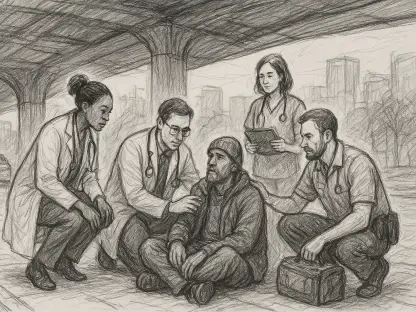
Trust between a patient and a provider is the cornerstone of effective healthcare, yet the introduction of “black box” algorithms can inadvertently erode this relationship. In underserved communities where medical mistrust is often high due to historical inequities, nurses play a crucial role as translators of technology. If a nurse can clearly explain why a specific AI-driven diagnostic tool is recommending a certain course of action, the patient is more likely to feel informed and respected. This requires a sophisticated level of literacy that goes beyond knowing which buttons to press; it involves understanding the probabilistic nature of the output and being able to articulate it in accessible language. When nurses are equipped with this knowledge, they act as a safeguard against the dehumanization of medicine. They ensure that technology serves as a support system rather than a replacement for clinical judgment. This transparency fosters a collaborative environment where patients feel they are partners.
The journey toward full technological integration in community clinics demonstrated that human expertise remains the most valuable asset in the medical field. Leaders who prioritized nursing education found that their teams were more resilient and capable of handling the complexities of modern patient care. By focusing on literacy rather than just deployment, these organizations successfully turned a potential obstacle into a powerful catalyst for health equity. The strategies implemented since the beginning of this transition showed that when nurses were given the right tools and knowledge, they transformed the way underserved populations engaged with the medical system. Proactive training allowed staff to mitigate the risks of automation while maximizing the benefits of data-driven insights. Ultimately, the successful adoption of these systems relied on the ability of healthcare workers to maintain their professional autonomy in the face of rapid change. This period of growth established a new standard for technology in sensitive environments.