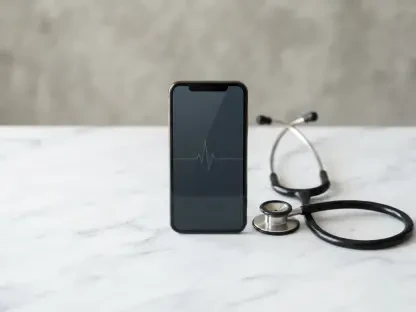

By integrating pre-visit chart preparation with post-visit inbox orchestration, Pajama.ai provides a comprehensive solution to the inefficiencies that plague modern primary care workflows. The primary care landscape has reached a tipping point where administrative demands often overshadow direct patient engagement. This specific friction point, commonly referred to as “pajama time,” forces one in three family physicians to spend three or more hours every evening completing documentation. Denver-based Credo Health addressed this systemic challenge by acquiring Affineon Health to launch Pajama.ai. This unified enterprise focuses on reclaiming approximately forty hours per month for medical practitioners by automating the entire lifecycle of a patient encounter. By consolidating these services, the platform eliminates the fragmented approach that previously required multiple disparate software tools. The shift represents a move toward deep technical integration designed to restore professional balance.
Optimizing Patient Encounters: Technical Integration Strategies
Scaling Pre-Visit Medical Record Intelligence
The technological core of this new platform begins with the sophisticated automation of medical record retrieval, a process that historically relied on manual data entry and inefficient faxing. The system aggregates a patient’s full longitudinal medical history from disparate sources, creating a single, coherent narrative for the physician. Beyond simple data collection, a specialized clinical insight engine analyzes these records to identify undiagnosed conditions, medication discrepancies, and overdue screenings before the patient even enters the exam room. This proactive approach ensures that clinicians are equipped with actionable intelligence rather than raw data, significantly reducing the mental load required to synthesize complex histories. By surfacing these critical clinical details automatically, the platform allows doctors to focus on diagnostic accuracy and patient interaction rather than searching for missing documents during the visit.
Streamlining Post-Visit Administrative Execution
Following the patient encounter, the platform shifts its focus to the “inbox actionability layer,” which is often the most significant source of secondary work for clinicians. The system autonomously manages routine administrative tasks such as drafting patient notifications for normal lab results and deduplicating pharmacy renewal requests that often clog electronic health record systems. By automating these repetitive actions, the software has demonstrated the ability to reduce inbox volume by more than fifty percent. This orchestration extends to clearing administrative items and managing follow-up logistics that would otherwise require hours of manual oversight. The integration ensures that the momentum gained during the pre-visit phase is not lost to bureaucratic bottlenecks after the patient leaves. Consequently, physicians can finalize their digital documentation tasks much faster, ending the cycle of work that typically extends into their personal time.
Strategic Consolidation: Leadership and Industry Impact
Unified Platform Development: Vision and Strategy
Leadership at the newly formed entity, headed by CEO Carm Huntress and CPO Evan Grossman, emphasizes that solving burnout requires a holistic platform rather than isolated point solutions. They argue that efficiency is best achieved when technology follows the physician through their entire daily workflow, rather than requiring them to pivot between disconnected applications. This strategic merger ensures that existing clients from both legacy companies maintain their current operational stability while gaining immediate access to advanced chart preparation and inbox tools. By creating a unified clinical data management ecosystem, the company addresses the fragmentation that has long hindered digital health adoption. The objective is to provide a seamless transition for medical practices, allowing them to scale their operations without increasing the administrative burden on staff. This approach prioritizes workflow sustainability over temporary fixes.
Clinical Validation: Future Implementation and Results
The transition to such systems demonstrated that the future of primary care depends on offloading the cognitive burden of data management to intelligent agents. Medical directors were encouraged to focus on platforms that aggregate longitudinal data into narrative forms rather than storing PDF files. This evolution established that successful implementation requires an all-in-one approach to the patient encounter lifecycle. By prioritizing seamless integration over fragmented point solutions, practices eliminated the hidden costs of administrative burnout. The adoption of these automated workflows proved that physicians could spend more time on complex diagnostic reasoning when technical barriers were removed. This strategic shift provided a sustainable roadmap for modernizing healthcare infrastructure, emphasizing that the primary goal of digital tools should be to empower the human element of medicine by automating the logistical complexities that previously hindered care delivery.