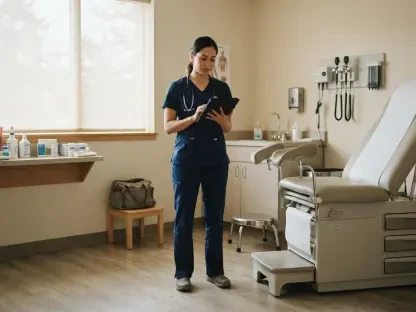

McKesson has launched a residency to advance community pharmacy roles through a partnership with the University of Texas at Austin College of Pharmacy, where residents gain academic experience by mentoring the next generation of students. This strategic initiative, known as the Health Mart Postgraduate Year One (PGY1) Community-based Pharmacy Residency Program, represents a significant investment by McKesson in the human capital of the pharmaceutical sector. By positioning the pharmacy as a “living laboratory,” the program creates a bridge between the theoretical framework of a Doctor of Pharmacy degree and the demanding realities of professional practice. Based at the Family Pharmacy at Las Colinas in Irving, Texas, the program allows participants to operate within a high-functioning environment where they can witness firsthand the operational efficiencies necessary to sustain a modern practice. These residents are trained to be change agents, moving the needle on what it means to provide comprehensive care while ensuring that the evolving needs of their local communities are met with clinical excellence and strategic foresight.
Strategic Partnerships: Academic and Clinical Integration
Educational Excellence: Training Future Leaders
The integration of academic rigor into the daily routine of a community pharmacy provides a unique competitive edge for residents who seek to influence the future of the profession. By participating in the Teaching and Leadership Fellows Program, residents are not merely observers but active participants in the pedagogical process, helping to shape the curriculum and delivery of pharmacy education. This involvement ensures that the instructional skills of the residents are honed alongside their clinical capabilities, creating a well-rounded professional who can communicate complex medical information to both peers and patients. The collaboration with the University of Texas at Austin is central to this mission, as it provides a structured environment where residents can experiment with various teaching methodologies. This academic foundation is critical because it encourages a culture of continuous learning and intellectual curiosity, which is often missing in traditional high-volume retail settings.
Clinical Diversity: Serving Underserved Communities
To ensure that the residency remains grounded in the realities of public health, the program includes specialized rotations at HHM Health, a federally qualified health center that serves a broad spectrum of patient populations. This exposure is vital for developing an understanding of the social and economic barriers that frequently impede patient health and medication compliance in underserved areas. Residents at HHM Health are tasked with navigating complex cases where traditional pharmacy interventions may be insufficient due to various external factors like housing instability or food insecurity. By working in this environment, they learn to adapt their clinical strategies to meet the specific needs of diverse communities, ensuring that care is both accessible and equitable. This practical immersion helps residents develop a high degree of cultural competency, which is increasingly necessary as the American demographic landscape continues to evolve while preparing them for interdisciplinary success.
Advancing the Future: Pharmacy Practice Evolution
Clinical Evolution: Embracing Provider Status
The industry is currently witnessing a profound shift toward the official recognition of pharmacists as healthcare providers, a change that this residency program is specifically designed to accelerate. By moving away from a model centered on product volume, the program emphasizes value-based care where success is measured by patient outcomes rather than the number of prescriptions filled. Residents are encouraged to implement advanced clinical services, such as point-of-care testing and comprehensive medication reviews, which allow them to take a more active role in the diagnostic and therapeutic process. This evolution is necessary to address the growing burden on the primary care system, as pharmacists are often the most accessible healthcare professionals for many patients. By demonstrating the efficacy of these advanced services, residents are helping to build the case for legislative and regulatory changes that will grant pharmacists full provider status while maintaining the highest clinical standards.
Strategic Operations: Ensuring Long-term Viability
While clinical excellence is a primary focus, the residency also provides essential training in the business and operational aspects of running an independent community pharmacy. In an era where local pharmacies face intense competition and changing reimbursement models, understanding the economic drivers of the industry is crucial for long-term sustainability. Residents receive instruction in financial management, inventory control, and strategic planning, ensuring they have the tools necessary to maintain profitability while delivering high-quality care. This dual focus on clinical and entrepreneurial skills is what sets the Health Mart program apart, as it prepares residents to take on leadership roles in pharmacy ownership or corporate management. By learning how to streamline operations and implement cost-effective service models, residents can ensure that their pharmacies remain viable healthcare hubs for the neighborhoods they serve, securing a legacy of localized care.
Future Directions: Strengthening Healthcare Infrastructure
The implementation of this residency program established a robust framework for professional growth that successfully integrated clinical rigor with essential business leadership. Through the collaborative efforts of corporate, academic, and clinical partners, the initiative provided a comprehensive pathway for pharmacists to transition into high-impact roles. The focus on patient-centric care and operational sustainability ensured that participants were well-equipped to navigate the evolving demands of the 2026 healthcare landscape. Looking ahead, healthcare organizations should consider adopting similar multifaceted training models that emphasize the pharmacist’s role as a primary care provider to alleviate the burden on the broader medical system. Investing in advanced clinical screenings and chronic disease management at the community level will be a key strategy for improving population health outcomes in the coming years. Ultimately, the success of these programs demonstrated that when pharmacists are empowered, they become indispensable clinical assets.