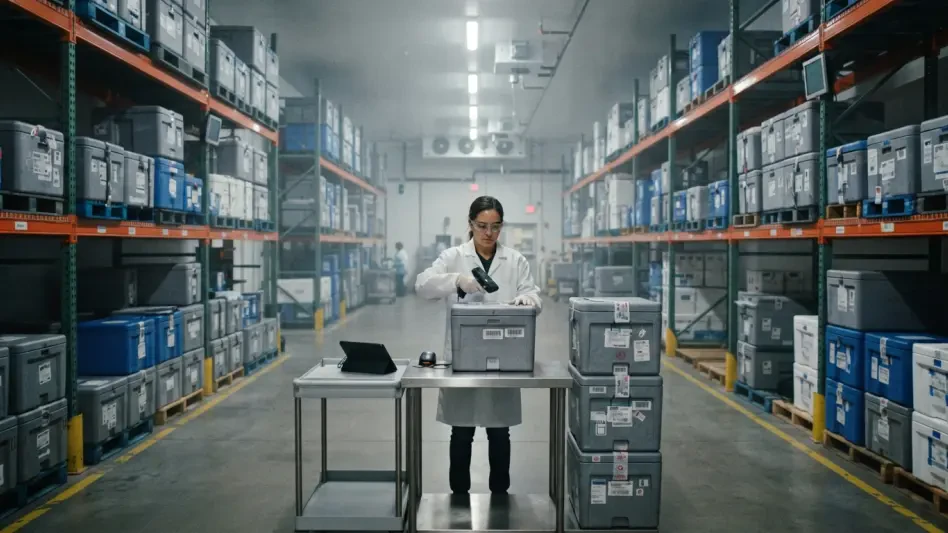

Next-generation therapeutics with shorter shelf lives are driving a new wave of innovation in the data infrastructure of pharmaceutical logistics. In the current landscape of 2026, the pharmaceutical supply chain acts as the invisible yet vital central nervous system of American healthcare. While the public primarily interacts with frontline providers, a massive logistical framework operates ceaselessly to ensure that life-saving doses move from manufacturers to the point of care without interruption. This infrastructure is not merely a transport utility; it is a sophisticated data-driven ecosystem that manages enormous volumes while navigating a thicket of regulatory requirements. By centralizing the flow of medicine, these distributors provide a level of stability and efficiency that underpins the entire health system. The complexity involved is immense, yet it remains largely unseen, providing the quiet assurance that medications will be available whenever and wherever they are needed by patients.
Scaling National Operations
Volume and Marketplace Consolidation
The sheer scale of pharmaceutical distribution in the United States remains a marvel of modern logistics, with distributors currently facilitating the movement of approximately 96% of all medication volume. This centralized model allows for the processing of more than 135 million individual orders annually, sourcing vital products from a diverse network of over 1,400 different manufacturers. By aggregating these massive supplies into a unified flow, distributors effectively simplify what would otherwise be a chaotic and fragmented marketplace. They provide a singular, reliable point of contact for retail pharmacies, large-scale hospitals, and specialized clinics alike. This consolidation ensures a streamlined and highly efficient daily delivery cycle across the entire country, allowing healthcare providers to focus on patient care rather than the logistical challenge of managing thousands of separate vendor relationships to stock their shelves with necessary treatments.
Resilience and Crisis Reliability
A core strength of this nationwide distribution network is its inherent permanence and its proven ability to function effectively through external shocks and global crises. Whether the system is facing severe weather events, natural disasters, or the tail end of health emergencies, the supply chain is engineered for constant motion to prevent the catastrophic collapse of local healthcare delivery systems. This level of reliability is the direct result of rigorous strategic planning and a deep-seated commitment to keeping medicines moving at all times. Distributors have invested heavily in redundant systems and decentralized hubs that ensure the point of care remains fully stocked and ready for patients, regardless of the surrounding environment. This invisible resilience ensures that the flow of critical care is never severed, providing a foundation of stability that allows medical professionals to operate with confidence during the most challenging and unpredictable times.
Combatting Supply Vulnerabilities
Predictive Analytics and Management
Drug shortages continue to present a profound clinical challenge in 2026, often leading to treatment delays and an increased labor burden for medical staff who must scramble to find alternatives. To combat these issues, distributors leverage their unique network-wide visibility, employing advanced artificial intelligence and predictive analytics to identify early warning signs of supply instability. By monitoring fluctuations in manufacturing output and regional demand patterns, these systems recognize vulnerabilities before they escalate into full-blown crises. This capability allows distributors to proactively redirect inventory to geographic areas or clinical settings where the need is greatest, effectively stabilizing the system. Such data-driven foresight ensures that critical treatments remain available to the providers who depend on them, mitigating the risk of patient harm and ensuring that the delivery of care remains consistent even when the global supply chain falters.
Collaborative Mitigation Strategies
Effective shortage mitigation requires a comprehensive multi-stakeholder approach characterized by transparent communication and seamless data sharing across the industry. No single entity can solve supply constraints in isolation; rather, it requires a unified and synchronized effort between manufacturers, healthcare providers, and government regulatory agencies. By acting as the primary connective hub for real-time information, distributors play a leading role in preempting potential vulnerabilities. They facilitate the flow of information that allows for collaborative problem-solving and deep technological integration, ensuring that the pharmaceutical supply remains safe and reliable. This cooperative framework is essential for maintaining the integrity of the market, as it allows for a rapid response to manufacturing hiccups or sudden spikes in demand, reinforcing the overall security of the medication lifecycle from the production line to the patient’s bedside.
Protecting the Patient Path
Logistics and Clinical Outcomes
The technical aspects of high-speed logistics are directly linked to human outcomes, as frequently evidenced by emergency interventions required for critically ill patients. When a children’s hospital faces a sudden shortage of a life-saving oncology medication, distributor teams often work well outside standard operating hours and shipping cutoffs to coordinate urgent deliveries across vast distances. These high-stakes efforts illustrate that the speed and expertise of the distribution network are just as vital to the healing process as the medicine itself. By bypassing traditional transit routes and utilizing specialized emergency transport, distributors provide a critical lifeline that offers peace of mind to families in crisis. This dedication ensures that the gap between a clinical need and a therapeutic solution is bridged in hours rather than days, highlighting the profound impact that logistical excellence has on individual patient survival and the quality of care.
Regulatory and Technical Complexity
The perceived simplicity of receiving a prescription at a local pharmacy hides a background of immense regulatory and operational complexity. Compliance with the Drug Supply Chain Security Act (DSCSA) currently requires a standardized, fully electronic system to track products and protect the public against counterfeit or substandard medications. Distributors absorb these significant regulatory burdens by investing heavily in state-of-the-art automation and real-time monitoring tools. These investments allow pharmacies and hospitals to operate smoothly without the need to hold excessive, costly inventory or manage multiple complex supplier relationships on their own. By maintaining an interoperable digital record of every unit, distributors ensure that the integrity of the supply chain is never compromised. This rigorous oversight provides the foundational trust necessary for the healthcare system to function, shielding patients from the hidden dangers of the global market.
Innovations in Modern Medicine
Advancing Specialty Therapeutics
As the pharmaceutical landscape shifts toward complex treatments like cell and gene therapies, biologics, and advanced mRNA vaccines, the distribution infrastructure must continue to evolve. These next-generation medicines often require stringent cold-chain maintenance, ultra-low temperature storage, and significantly shorter delivery windows to maintain efficacy. Furthermore, they necessitate more detailed chains of custody and sophisticated documentation to satisfy clinical and regulatory requirements. Distributors are currently expanding their specialized handling capacities, building out advanced refrigeration suites and high-tech tracking systems to ensure these therapies are delivered with precision. This evolution is critical for the successful deployment of personalized medicine, as the logistical requirements for these products are far more demanding than those of traditional pills. Ensuring the safe passage of these biologics is the next frontier of medical distribution.
Future Infrastructure Development
The pharmaceutical distribution infrastructure has evolved into an indispensable bridge between scientific breakthroughs and the patients who require them most. By maintaining a high-tech and high-stakes operation, distributors guarantee that the world of medicine remains in constant motion, supporting the long-term stability of the entire healthcare ecosystem. Stakeholders across the healthcare industry should prioritize continued investment in digital interoperability and expanded cold-chain capabilities to accommodate the next wave of genomic treatments. Strengthening the transparency of the supply chain remains the most effective method for preventing shortages and ensuring equitable access to life-saving care. Moving forward, providers and manufacturers must align their data protocols to ensure that the invisible infrastructure remains resilient against future disruptions. This proactive approach will safeguard public health and ensure that the delivery of medicine remains as innovative as the science behind it.