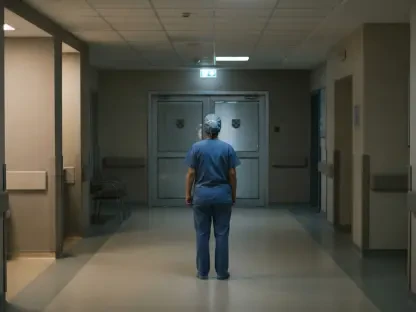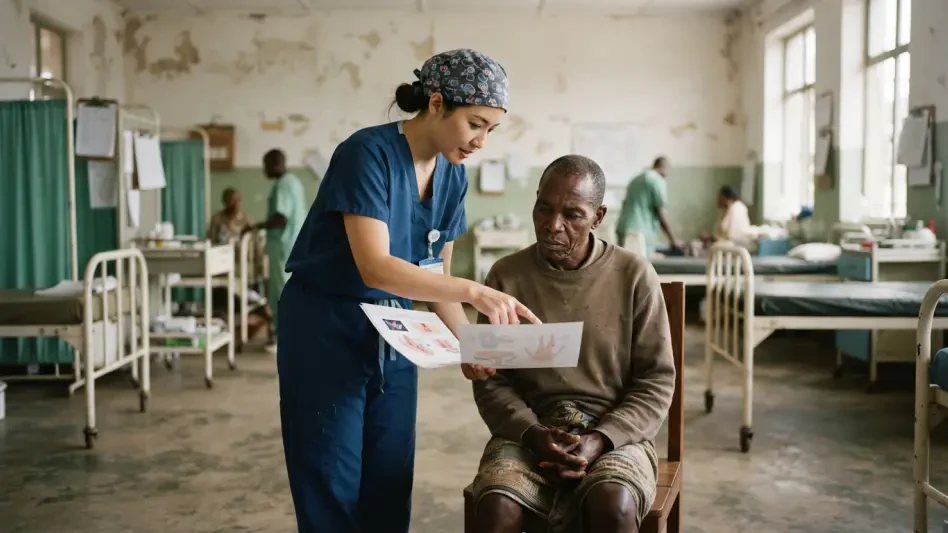

For many Ghanaian patients facing their first surgery, the absence of procedural guidance transforms routine medical preparations into sources of profound confusion and unnecessary fear. This unsettling reality is explored in depth through recent research at St. Martin de Porres Hospital in Eikwe, which uncovers a stark divergence between technical medical excellence and the psychological needs of patients. While surgical teams are adept at executing the physical protocols required for a successful operation, the human element—specifically the need for clear, compassionate communication—often remains an afterthought. In the high-pressure environment of a rural mission hospital, the mechanical aspects of healthcare frequently overshadow the cognitive and emotional support that patients desperately require to navigate their fear of the unknown. This systemic imbalance suggests that the biomedical model, while efficient in preserving physical safety, may inadvertently neglect the very individuals it seeks to heal, leaving them to process complex medical events in a state of intellectual and emotional isolation.
The Disconnect in Physical Protocols
Routine Procedures: The Gap in Patient Comprehension
The clinical environment often prioritizes compliance over clarity, leading to a phenomenon where patients perform tasks like fasting or shaving without a basic understanding of why these steps are necessary. In the context of Ghanaian surgical care, the near-universal application of preoperative protocols, such as “nothing by mouth” or antiseptic bathing, is often treated as a series of rigid institutional rules rather than critical safety measures designed to protect the patient. When individuals are instructed to withhold food and water for several hours before surgery, the instruction is frequently delivered as a command rather than an explanation of how fasting prevents the life-threatening risk of aspiration during anesthesia. Consequently, the patient becomes a passive recipient of care, disconnected from the logic of their own treatment. This lack of context transforms standard clinical safeguards into sources of mild distress and confusion, as patients struggle to reconcile their physical discomfort with the perceived arbitrariness of the hospital’s demands.
Building on this lack of comprehension, research indicates that the absence of detailed explanations creates a dynamic where patients feel like objects on an assembly line rather than partners in their own recovery. For example, requirements for pubic shaving or wearing standardized hospital gowns are often enforced without discussing their roles in minimizing surgical site infections. This information vacuum essentially forces patients to comply with procedures that feel intrusive or embarrassing, simply because they lack the knowledge to see them as therapeutic necessities. Without the “why” behind the “what,” the medical journey loses its humanistic grounding, and the surgical suite becomes an intimidating space defined by unexplained mandates. Correcting this requires more than just a change in individual behavior; it demands a cultural shift in how medical protocols are communicated to ensure that every preparatory step is framed as a collaborative effort toward a successful outcome.
Physiological Monitoring: The Source of Unintended Anxiety
The frequent monitoring of vital signs and the insertion of intravenous lines are essential for safety, yet without proper explanation, these actions often serve as catalysts for heightened anxiety. In rural healthcare settings where staffing is limited, the silent execution of these tasks can be profoundly misinterpreted by patients who are already on edge. When a nurse repeatedly checks blood pressure or adjusts an infusion without providing verbal context, the patient may erroneously assume that their condition is deteriorating or that a medical crisis is imminent. For first-time surgical candidates, the constant presence of monitoring equipment and the repetitive nature of assessments can feel like a precursor to bad news. Instead of providing the intended clinical reassurance, the silence surrounding these procedures often escalates a sense of impending doom, highlighting a significant failure in the delivery of bedside care.
This communication failure is particularly evident when comparing the intent of the clinical staff with the lived experience of the person in the hospital bed. While the medical team views frequent checks as a sign of diligent care, the patient perceives them through a lens of fear and uncertainty. The research highlights that many participants felt that the more attention they received from nurses, the more likely it was that something was going wrong with their health. This paradoxical outcome underscores the necessity of integrating verbal engagement with physical assessment; a simple sentence explaining that a blood pressure check is routine and not an emergency could alleviate hours of mental anguish. By neglecting the interpretive side of medicine, healthcare providers inadvertently turn their most effective safety tools into sources of psychological trauma, reinforcing the need for a more integrated approach to patient observation.
Invasive Preparations: The Impact of Anticipatory Trauma
Invasive preoperative steps, specifically urinary catheterization and injections, often represent the most emotionally jarring moments of the entire surgical journey for the patient. Many individuals reported that these procedures were conducted with virtually no warning or description of the physical sensations they should expect. When a catheter is inserted without a preparatory discussion, the resulting pain and discomfort are not just physical; they are psychologically scarring. Patients who experience high levels of distress during these “minor” preparatory steps frequently use them as a terrifying benchmark for the actual surgery. The logic is simple and devastating: if a preliminary procedure is this painful and unexpected, the actual operation must be unbearable. This creates a cycle of anticipatory trauma that can make the induction of anesthesia and the eventual recovery much more difficult for the patient to manage.
Furthermore, the lack of communication during these invasive moments often leaves patients feeling violated or powerless within the clinical setting. The physical pain associated with injections or catheterization is exacerbated by the emotional shock of having one’s bodily autonomy bypassed without a conversational lead-in. Participants in the study noted that a mere minute of explanation—detailing what would happen, why it was necessary, and how it might feel—would have fundamentally changed their emotional response to the procedure. This finding emphasizes that the psychological cost of silence is far higher than the few seconds it takes to offer a professional explanation. To improve the patient experience, the healthcare system must recognize that every invasive act carries a heavy communicative weight, and failing to address that weight can lead to long-lasting distrust of medical interventions and the providers who perform them.
Psychological Support and Systemic Challenges
Emotional Preparation: The Deficit in Professional Support
Despite the rigorous application of clinical medicine, providing emotional and psychological support remains a significant weakness within the Ghanaian surgical landscape. In many cases, the only verbal comfort offered to patients consists of generic platitudes such as “don’t worry” or “everything will be fine,” which do little to address specific fears about survival, anesthesia, or postoperative pain. This superficial reassurance fails to provide the deep, informative counseling proven to lower cortisol levels and improve healing rates. For the majority of patients, psychological preparation for surgery is effectively nonexistent, leaving them to navigate a high-stakes life event with only their own internal resources. This void is not merely a personal failing of individual staff members but a systemic oversight that treats the mind and body as separate, unrelated entities during the perioperative period.
The consequences of this deficit are most visible in emergency situations, where the urgent need for physical stabilization completely erases any opportunity for meaningful patient dialogue. In instances like emergency cesarean sections, the speed at which a patient is whisked into the operating room often precludes any discussion of what is happening or why. While the clinical goal is to save lives, the resulting “acute terror” experienced by the patient is a side effect that many never fully recover from. In the absence of structured, nurse-led support, patients often turn to their own spiritual beliefs or the occasional kindness of non-clinical staff to find a sense of peace. This highlights a critical need for the formalization of psychological care standards, ensuring that emotional triage is given the same level of priority as physical stabilization, even in the most time-sensitive surgical environments.
Patient Vulnerabilities: The Impact of Structural Failures
The demographic profile of surgical patients in rural Ghana often includes breadwinners, parents, and community leaders facing their first major medical procedure. For this group, the stakes of surgery extend far beyond the operating table; they involve concerns about family welfare, economic stability, and long-term health. When these patients encounter a lack of information, their vulnerability is exponentially increased by the ambiguity of hospital protocols. Research shows that patients are not uninterested or uncooperative; on the contrary, they are highly willing to engage with the system but find themselves blocked by institutional barriers. This suggests that the communication gap is a structural failure of the healthcare facility rather than a reflection of patient education levels or cultural preferences, indicating a profound need for reform.
Moreover, the current biomedical model tends to view these individuals as biological subjects to be processed rather than as people with complex social and emotional identities. This reductionist approach is particularly damaging for those with limited formal education, who may require more tailored, visual, or linguistically accessible explanations to fully grasp their medical situation. When the system fails to adapt its communication style to the specific needs of the local population, it effectively disenfranchises them from their own care. Bridging this gap requires institutions to move away from a one-size-fits-all clinical approach and toward a model that respects the individual’s humanity and specific life context. Recognizing the unique vulnerabilities of the patient population is the first step toward creating a healthcare environment that is as compassionate as it is clinically effective.
Regional Context: Comparing Global and Local Trends
The challenges identified in Ghana are mirrored in many other sub-Saharan African nations, where a “task-driven” culture has become a survival mechanism for healthcare providers facing extreme resource constraints. In countries like Ethiopia and Nigeria, high patient volumes and a shortage of qualified nurses often force medical teams to prioritize the most visible and immediate clinical tasks over the “invisible” work of emotional and informational support. In these environments, success is often measured by the number of procedures completed rather than the quality of the patient’s experience. This creates a disparity between the theoretical standards of patient-centered care and the practical reality of hospital wards where staff are stretched to their breaking points. The result is a cycle where physical safety is maintained, but the holistic well-being of the patient is systematically sacrificed to maintain efficiency.
In contrast, high-income healthcare systems often utilize formalized counseling, printed educational materials, and dedicated nurse educators to mitigate preoperative anxiety. While these resources may seem out of reach for rural Ghanaian hospitals, the core of the issue is not purely financial but also structural. The disparity between global standards and local reality highlights how the humanistic side of nursing is often the first element to be discarded when a system is under pressure. However, research suggests that even in resource-limited settings, the integration of basic communication protocols can significantly close this gap. By shifting the focus from mere physical readiness to a more balanced approach that includes psychological preparation, regional healthcare systems can begin to align themselves with international best practices. This transition is essential for ensuring that surgical care in the developing world is not only accessible but also humane and ethically sound.
Strategies for Institutional Improvement
Structural Reform: Establishing Mandatory Educational Standards
To effectively address the communication void, health authorities such as the Ghana Health Service must establish and enforce mandatory preoperative educational standards across all facilities. These standards would move away from the current ad hoc approach, where information is provided only at the discretion of individual staff members, and toward a structured system where procedural explanations are a non-negotiable step in the surgical workflow. By institutionalizing these requirements, hospitals can ensure that every patient, regardless of location or the complexity of their surgery, receives a baseline of information regarding anesthesia, surgical steps, and recovery expectations. This shift treats information as a fundamental patient right and a core component of clinical safety, rather than a luxury or an optional courtesy that can be skipped during busy shifts.
The implementation of these standards would also provide a clear framework for accountability, allowing hospital administrators to measure and improve the quality of patient engagement. For instance, the introduction of standardized “patient briefing” checklists, similar to the surgical safety checklists already used in operating rooms, could ensure that no patient is moved to surgery without first having their questions answered and their procedures explained. This approach naturally leads to a more transparent healthcare environment where patients are empowered to be active participants in their own care. By framing communication as a formal clinical requirement, the healthcare system can begin to dismantle the “task-oriented” culture that currently leaves so many individuals in the dark. These structural changes are vital for creating a more equitable system where the quality of care is defined by both clinical outcomes and the patient’s sense of dignity.
Professional Training: Integration and Resource Management
The Nursing and Midwifery Council plays a critical role in this transformation by integrating advanced communication and psychological support skills directly into the national nursing curriculum and licensing requirements. By elevating these skills from “soft skills” to core clinical competencies, the profession can foster a new generation of nurses who view patient education as just as important as administering medication or monitoring vital signs. Training should focus on culturally appropriate techniques for explaining complex medical concepts to diverse audiences, ensuring that nurses are equipped to handle the specific linguistic and social needs of their communities. This educational shift is essential for changing the professional culture from one of silent efficiency to one of engaged, informative care that respects the patient’s right to know.
Beyond training, hospital administration must take practical steps to manage resources and workloads so that nurses actually have the time to communicate with those in their care. When a single nurse is responsible for an overwhelming number of patients, the human element is inevitably the first thing to be sacrificed; therefore, addressing staffing levels is a prerequisite for any meaningful improvement in patient-centered care. Furthermore, providing clinicians with simple, low-cost educational tools—such as visual aids, pamphlets in local languages like Akan, or even digital tablets with instructional videos—can help facilitate better understanding without placing an undue burden on staff time. By combining better training with adequate resources, the healthcare system can create a sustainable environment where the “invisible” work of emotional support becomes a visible and valued part of the daily routine.
Holistic Care: Embracing a New Medical Paradigm
Ultimately, the future of surgical care in Ghana depends on embracing a holistic paradigm that views the surgical journey as a complex human experience rather than a sequence of mechanical tasks. This shift requires healthcare providers to recognize that ensuring a patient understands the “why” behind their preparation is a vital component of safe and ethical medical practice. When communication is integrated into the heart of the surgical process, it reduces patient anxiety, leads to better cooperation during recovery, and ultimately improves clinical outcomes. The transition toward this model is not merely a technical update but a moral imperative to treat every patient with the respect and clarity they deserve. By empowering healthcare providers to act as both skilled clinicians and compassionate educators, the system can bridge the gap between biomedical excellence and the human spirit.
In conclusion, the findings from St. Martin de Porres Hospital provided a clear roadmap for improving the quality of perioperative care through better communication and psychological support. The researchers successfully demonstrated that while physical safety protocols were effectively maintained, the lack of procedural explanation left many patients in a state of “routine without understanding.” By implementing the proposed structural reforms and emphasizing the importance of nurse-led counseling, the Ghanaian healthcare system began to address these long-standing deficits. These actions ensured that the surgical experience was no longer a source of confusion and fear, but a well-guided process that prioritized the patient’s informed consent and emotional well-being. Moving forward, a continued focus on humanistic care will be essential for creating a medical environment that truly serves the needs of all individuals, regardless of the complexity of their diagnosis or the resources of their community.