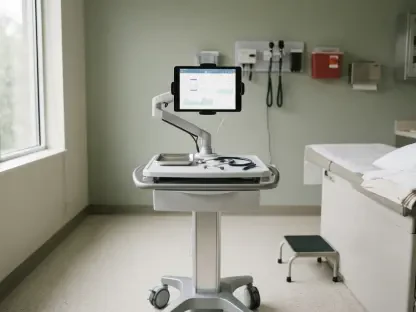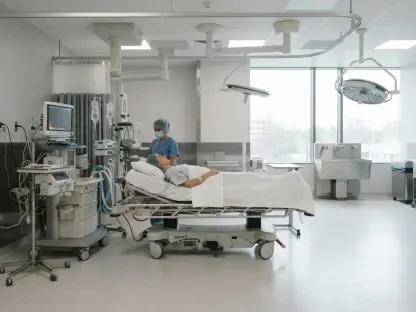

A significant misalignment exists between the acute, supervised rotations in hospital wards and the longitudinal care required in a community clinic setting. This disconnect represents a profound hurdle for medical graduates in Australia who find themselves ill-equipped for the realities of primary care. Recent investigations through the CREATE project revealed that the rigid hierarchies of urban health systems do not provide the necessary environment for developing clinical independence. Residents often operate under constant supervision, focused on stabilizing patients for discharge rather than managing health outcomes over an extended period. This training gap suggests that the current pipeline prioritizes specialized hospital performance at the expense of the broad-based diagnostic skills essential for a primary care physician. As healthcare needs evolve from 2026 to 2030, the demand for doctors who can manage ambiguity and undifferentiated symptoms continues to grow rapidly.
The Disconnect: Acute Care Versus Longitudinal Management
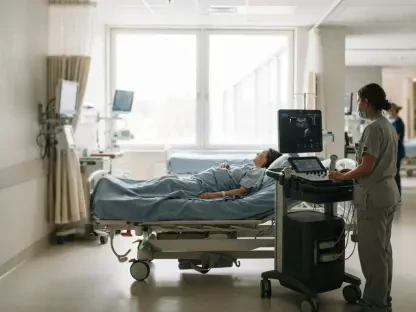
Hospital environments typically emphasize immediate interventions and the management of life-threatening conditions within highly structured teams. In contrast, an outpatient clinic requires a physician to navigate undifferentiated symptoms where the diagnosis is not immediately clear. Residents frequently report that their hospital rotations lack the follow-up mechanisms necessary to witness the long-term impact of their clinical decisions. This absence of continuity prevents them from learning how to adjust treatment plans for chronic conditions or understanding the subtle progression of a disease over several months. While the hospital provides a safety net of senior oversight, it often inhibits the development of the autonomous reasoning needed when a doctor is the primary point of contact for a family. The inability to track a patient’s journey from diagnosis to recovery remains a significant barrier to preparing these professionals for the independence required in suburban or rural practices.
The social structure within the modern hospital system further exacerbates this preparedness gap by prioritizing sub-specialized knowledge over generalist expertise. Currently, medical students and interns are predominantly surrounded by specialists in fields like cardiology or neurosurgery, which can inadvertently diminish the perceived value of primary care. This lack of visibility for experienced primary care physicians within the hospital hierarchy leaves trainees without clear role models who can demonstrate the complexity of community medicine. Without such mentors, residents may view the path to becoming a family doctor as less intellectually challenging or prestigious, leading to a recruitment crisis in the sector. Addressing this cultural bias is essential for ensuring that the workforce is not only prepared but also motivated to pursue careers outside the hospital walls. Strengthening the presence of generalist mentors during rotations from 2026 to 2028 will be a critical step.
Targeted Solutions: Reforming the Clinical Training Pathway
Bridging the gap between these two healthcare environments necessitates a fundamental redesign of residency rotations to include more exposure to outpatient cases. One proposed solution involves implementing targeted hospital shifts in emergency departments that specifically handle non-life-threatening, undifferentiated presentations. These areas mimic the variety found in a local clinic, forcing residents to rely on their diagnostic skills rather than just following acute stabilization protocols. By integrating these specific experiences earlier in the training cycle, health systems can better prepare residents for the transition to private practice. Furthermore, increasing the frequency of short-term outpatient placements allows doctors to demystify the administrative and social complexities of a medical practice early in their careers. These shifts help trainees build the confidence to manage patient expectations and navigate the psychological aspects of healthcare that are often overlooked in a fast-paced hospital ward.
Curricular reform must also prioritize diagnostic reasoning exercises that emphasize chronic disease management and preventive medicine. Instead of focusing solely on acute episodes, educational modules should challenge doctors to consider the patient’s entire medical history and socioeconomic context. Establishing formal mentorship programs that connect hospital-based residents with established primary care physicians can provide the career-specific guidance that the current specialist-heavy hierarchy lacks. These relationships allow residents to ask practical questions about clinical autonomy and business management before they officially enter a residency program. Furthermore, integrating transitional support systems helps reduce the stress associated with moving from a highly supervised team to an independent clinical role. By focusing on these areas from 2026 onward, medical educators can create a more cohesive path for those entering primary care, ensuring they possess the clinical intuition required to serve as the backbone of the medical system.
Professional Autonomy: Navigating the Integrated Training Future
The recent findings from the CREATE project established a clear mandate for the evolution of medical education in Australia. It became evident that the siloed nature of hospital and community training created a significant preparedness gap that hindered the professional growth of new primary care physicians. To resolve this, stakeholders initiated several pilot programs focused on integrating primary care role models into the hospital setting to shift the cultural narrative surrounding general practice. Educators recognized that the transition to autonomy required more than just clinical knowledge; it demanded a systemic shift in how diagnostic reasoning was taught. Future efforts centered on developing hybrid training models that allowed residents to maintain connections with outpatient clinics while completing their residency. By adopting these integrated strategies, the medical community successfully mitigated the shock of clinical independence. These adjustments ensured that the next generation of doctors entered primary care with the resilience and specialized generalist skills needed to sustain the public health infrastructure.