
Individuals are being encouraged to monitor their credit reports and dental insurance explanations of benefits following a verified data breach at Keep Smiling Dental Group. The modern healthcare landscape relies heavily on digitized records, which streamline patient care but simultaneously create lucrative targets for cybercriminals seeking sensitive personal information. When a dental practice experiences a network disruption, the consequences extend far beyond simple administrative delays; they potentially expose a lifetime of medical history and financial data. In this specific instance, the breach highlights a growing trend where smaller medical facilities are scrutinized by threat actors who recognize the inherent value of health-related datasets. Protecting such data is not just a technical necessity but a fundamental obligation to patient privacy. As the investigation continues, it remains clear that the intersection of technology and healthcare requires rigorous oversight to prevent the unauthorized dissemination of private clinical and personal identity markers across the digital black market.
1. Details of the Incident: Timeline and Data
The timeline of the security incident at Keep Smiling Dental Group suggests a sustained period of unauthorized access, lasting from August 29, 2026, until the intrusion was finally halted on September 5, 2026. Security researchers often find that such windows of opportunity allow attackers to sift through vast amounts of data, identifying the most valuable records for extraction. It was not until September 7, 2026, that the practice identified the anomalies within its network, prompting an immediate investigation into the nature and scope of the event. This delay between the initial entry and discovery is a common challenge in cybersecurity, often referred to as “dwell time,” during which sensitive files can be copied or removed without immediate detection. Following the discovery, the practice took steps to secure its internal systems and began the complex process of forensic analysis to determine exactly which files were touched. This phase of the response is critical for establishing a roadmap for recovery and notification of the impacted parties.
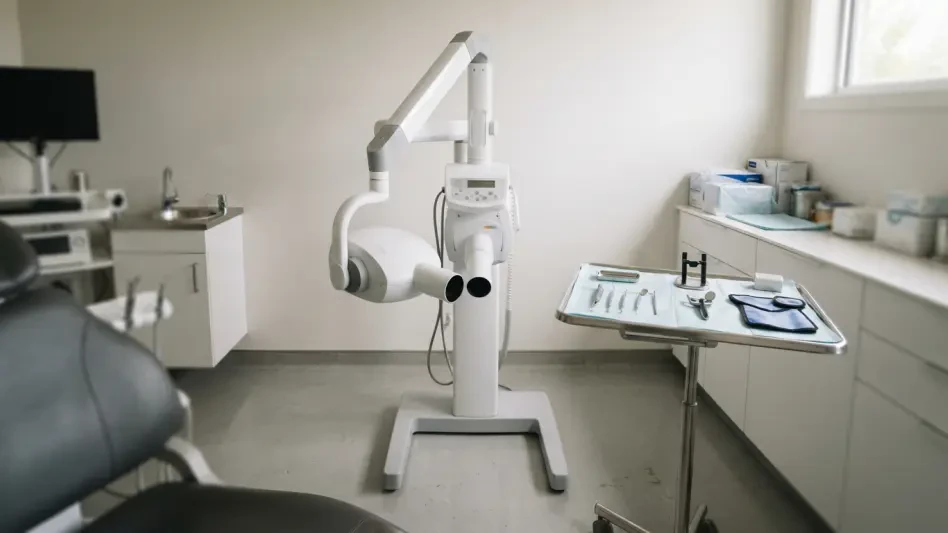
The categories of information compromised during this event are particularly concerning because they encompass a wide range of sensitive identifiers that could be used for various forms of fraud. Beyond basic contact details like full names and addresses, the exposed files contained patient identification numbers and dates of birth, which are often used as verification tokens in medical settings. Perhaps more invasive was the exposure of actual dental and medical records, including detailed clinical notes and X-ray images that provide an intimate look into an individual’s health history. For a specific subset of patients, the breach also included highly sensitive Social Security numbers, which are the cornerstone of financial identity in the United States. Furthermore, insurance billing details and account balances were potentially accessed, giving attackers insight into a person’s financial relationship with their healthcare provider. The combination of medical, financial, and personal data creates a high risk for sophisticated phishing campaigns or identity theft.
2. Recommended Actions: Protecting Your Information
Taking proactive steps is essential for anyone who received a formal notification regarding their personal data. The first priority involves a thorough examination of the official notice provided by Keep Smiling Dental Group to understand which specific data points were compromised in your individual case. Since the breach affected different people in different ways, some may have only had their contact information exposed, while others may face risks related to their Social Security numbers. It is also wise to immediately sign up for any complimentary credit tracking or identity theft protection services offered by the dental practice. These services provide an early warning system for unauthorized changes to your credit profile, which is often the first sign of identity theft. Additionally, updating login credentials across all sensitive online platforms is a necessary defensive maneuver. Creating new, complex passwords and revising security questions for banking and insurance portals helps ensure that stolen information is limited.
Beyond immediate digital security updates, a sustained effort to audit financial and medical statements is required to catch fraudulent activity early. This involves frequently checking bank statements, insurance explanations of benefits, and patient portals for any unauthorized charges or medical treatments that were never received. Many victims of data breaches only discover the extent of the damage when they receive bills for services they never authorized. Tracking your credit history by requesting free reports from major bureaus is another critical layer of defense, as it allows for the identification of new accounts or inquiries that were not self-initiated. To further strengthen this posture, individuals should consider getting in touch with the major credit bureaus to place a temporary fraud alert or a full security freeze on their credit files. This step makes it significantly harder for identity thieves to open new lines of credit in your name, as lenders will be required to verify your identity before proceeding.
3. Legal Assistance: Understanding Your Rights
Individuals whose data has been compromised in this breach may find themselves protected by a framework of consumer protection and privacy laws designed to hold organizations accountable for data security. These legal statutes often provide a pathway for affected parties to seek remedies if it is found that the entity failed to implement reasonable safeguards to protect sensitive information. Navigating these laws can be complex, as they vary by jurisdiction and the specific nature of the data involved, such as the heightened protections often granted to medical and financial information. Understanding one’s legal standing is a vital part of the recovery process, especially if the breach leads to tangible financial losses or significant emotional distress. Legal experts in the field of privacy law analyze whether the security measures in place at the time of the incident met industry standards and whether the notification process was handled in accordance with the strict timelines required by modern regulations.
Strauss Borrelli PLLC is currently available to help affected parties understand their options and determine if they qualify to pursue a legal claim related to this specific cybersecurity event. The firm focuses on privacy litigation and has the resources necessary to investigate the circumstances surrounding the Keep Smiling Dental Group data breach. If you received a formal notice, contacting the firm allows for a professional review of your situation and provides a clearer picture of the potential for recovery or collective action. The process involves documenting any evidence of identity theft, unauthorized charges, or the amount of time spent remediating the impact of the breach. Because legal deadlines for filing claims can be strict, engaging with counsel early ensures that rights are preserved and that the nuances of the case are properly evaluated. Providing a voice to consumers in the aftermath of a massive data exposure is a central component of the firm’s mission, ensuring that individuals are not left alone.
4. Moving Toward Future Protection
The resolution of the initial investigation into Keep Smiling Dental Group served as a stark reminder of the persistent threats facing the healthcare sector in the current technological environment. It was concluded that the implementation of enhanced server-wide security measures and the introduction of more rigorous phishing-awareness training were necessary steps to bolster the practice’s defenses. For individuals, the path forward required a disciplined approach to personal data management, where the regular monitoring of credit files and insurance statements transitioned from a temporary reaction to a permanent habit. Legal advisors suggested that maintaining a comprehensive record of all communications related to the breach was a critical component of any future claims or disputes. The incident prompted a broader discussion on the necessity for medical providers to adopt zero-trust architectures and encryption protocols that protected data both at rest and in transit. Ultimately, the lessons learned from this event highlighted the importance of proactive vigilance over reactive remediation.