
The immediate response to a sudden cardiac arrest serves as the definitive boundary between life and death for countless patients experiencing cardiovascular failure outside of a hospital environment. While emergency departments remain the traditional focus for resuscitation efforts, primary care centers often serve as the frontline for these life-threatening events, requiring practitioners to maintain high levels of readiness. A recent study conducted in Denizli, Turkey, examined whether a targeted, brief educational intervention could effectively prepare primary care providers for these high-stakes scenarios by evaluating the impact of standardized training on both objective knowledge and subjective confidence. This research highlights a concerning gap in professional practice where, although nearly 83% of participants had received prior training, only 21.5% actively followed current resuscitation guidelines. The erosion of critical medical knowledge over time presents a substantial risk to patient safety, making the search for time-efficient educational models a priority for healthcare administrators who must balance training requirements with demanding clinical schedules.
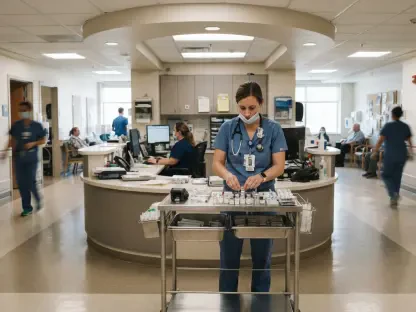
The investigation utilized a single-group pretest–posttest methodology, spanning a one-year period that concluded recently, involving 361 primary care personnel distributed across 54 family health centers. This cohort represented a diverse cross-section of healthcare workers, including doctors and nurses, who are often the first to encounter medical emergencies in a community setting. Interestingly, the baseline data revealed a significant discrepancy between previous education and current clinical behavior, suggesting that historical training does not guarantee future performance. While many participants entered the study with a foundational reservoir of information, the lack of adherence to modern protocols indicated that sporadic instruction is insufficient for maintaining excellence. This demographic variety underscored the need for a unified training standard that could be applied universally across different levels of medical experience. By focusing on the family health center environment, the study addressed a critical but often overlooked segment of the emergency medical chain, where initial intervention significantly influences the final clinical outcome for cardiac patients.
Standardizing Education Through Brief Interventions
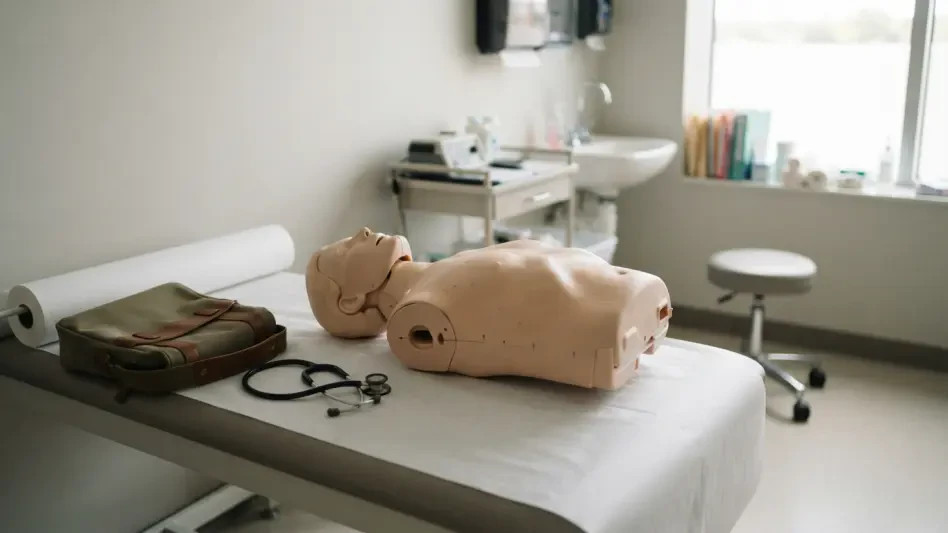
The core of the research focused on a 45-minute training session designed to be high-impact and evidence-based, specifically tailored for the busy schedules of modern medical professionals. This session strictly followed the 2021 European Resuscitation Council guidelines, combining theoretical instruction with practical demonstrations to ensure a comprehensive and tactile learning experience for all attendees. By condensing the complex curriculum into such a short timeframe, the study aimed to prove that significant educational gains do not require lengthy or disruptive courses, which often face resistance in high-pressure clinical environments. The curriculum prioritized the most essential life-saving steps, ensuring that participants could recall and execute basic life support protocols without the cognitive overload often associated with day-long seminars. This approach addresses the logistical hurdles of traditional medical education while ensuring that practitioners are not pulled away from their primary patient duties for extended periods, providing a scalable model for broader health system implementation globally.
Statistical analysis of the post-intervention data revealed that the median knowledge score rose from 9.0 at the baseline to 12.0 post-intervention, a change that was statistically significant with a p-value of less than 0.001. With a strong effect size calculated at r = 0.76, the data confirms that a brief session can effectively bridge existing knowledge gaps and align healthcare providers with modern life-saving protocols. This improvement was consistent across different demographics of the study group, suggesting that the standardized nature of the intervention overcomes individual differences in previous educational backgrounds. Furthermore, the use of the Hodges-Lehmann estimator clarified the paired median score increase, reinforcing the conclusion that even a 45-minute commitment can yield measurable professional growth. These findings are particularly relevant for primary care clinics where the frequency of cardiac events is lower than in emergency rooms, yet the requirement for immediate and accurate intervention remains just as critical for patient survival and long-term recovery outcomes.
Boosting Confidence and Psychological Readiness
Beyond the objective improvement in test scores, the training had a transformative effect on the participants’ self-perceived competence, which is often the missing link in emergency response. Before the session, only 14.4% of the personnel felt highly confident in their ability to perform basic life support, but this figure surged to an impressive 85.0% after the 45-minute intervention. This psychological shift is vital because healthcare providers who lack confidence may hesitate during a real cardiac event, regardless of their theoretical knowledge or past academic achievements. The study highlights that clinical competence is not merely about reciting facts but involves the internal belief that one can execute those facts under extreme pressure. By providing a safe environment for practical demonstration, the brief training session reduced the psychological barriers that often prevent practitioners from initiating resuscitation protocols. This surge in confidence suggests that frequent, low-stakes practice sessions are more beneficial for psychological readiness than infrequent certifications.
In light of these findings, the path forward required health organizations to move away from sporadic, multi-day certification programs in favor of a longitudinal approach to professional development. The study successfully demonstrated that short, intensive bursts of education provided sufficient cognitive and psychological foundations for effective life support. Therefore, future strategies involved the implementation of micro-learning modules that could be completed during scheduled staff meetings or dedicated professional development hours. These sessions were supplemented by automated reminder systems and brief hands-on drills to combat the natural decay of psychomotor skills over the subsequent months. By adopting this continuous improvement model, primary care centers transformed from being reactive environments into proactive hubs of emergency readiness. Ultimately, the goal remained to ensure that every patient who entered a community health center had access to high-quality resuscitation efforts. This approach not only saved lives but also enhanced the professional resilience of the healthcare workforce.