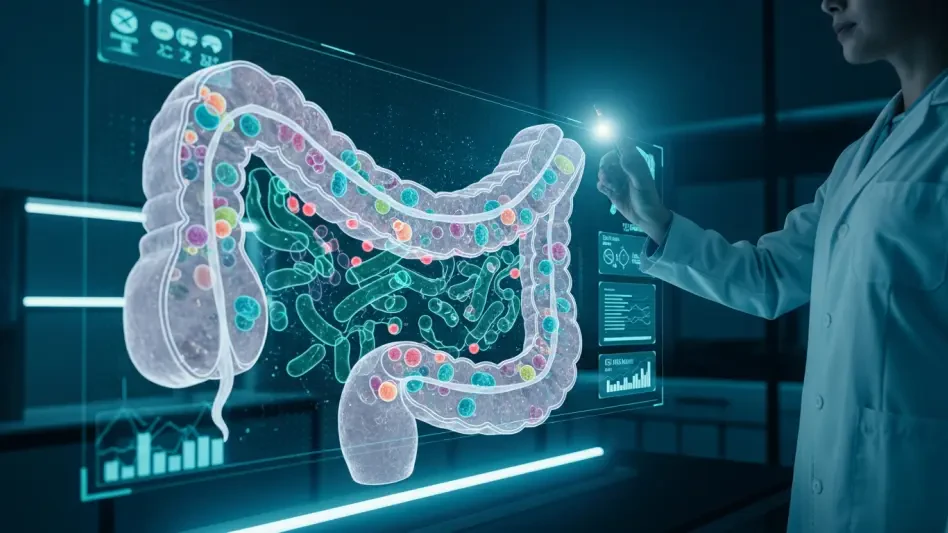

The realization that the architecture of the human gut is as vital as the genetic makeup of the microbes residing within it has transformed contemporary biomedical research into a hunt for geographic precision. While researchers previously focused on cataloging species via fecal samples, the current focus has shifted toward understanding the micro-environments where these organisms actually thrive and interact with human tissues. This paradigm shift relies on the integration of spatial biology, a field that maps the exact location of gene expression and microbial colonies within their native biological context. By moving beyond a simplified census of the microbiome, scientists are now uncovering how specific bacterial clusters influence local immune responses or metabolic pathways in ways that were previously invisible. As the industry advances through 2026, the demand for high-resolution imaging that preserves the structural integrity of the gut wall has become the new standard for meaningful clinical discovery. This shift is essential for bridging the gap between theory and application.
The Evolution of Microbial Mapping: Beyond Bulk Sequencing
Conventional bulk sequencing methods effectively acted as a blender that homogenized diverse microbial populations and erased critical spatial information. When a biopsy or stool sample is processed through traditional metagenomics, the intricate relationships between distinct bacterial species and their proximity to host cells are lost, leaving researchers with a list of ingredients but no recipe. This lack of context often led to conflicting results in clinical trials, as the mere presence of a specific pathogen might not be as significant as its localization within the protective mucus layer of the intestine. Consequently, the transition toward spatial transcriptomics and multiplexed imaging has allowed for a much more nuanced view of the microbial landscape. These technologies provide the necessary resolution to see exactly which bacteria are infiltrating the epithelial barrier, offering a clear visual link between microbial behavior and the onset of systemic inflammation. By identifying these localized hotspots, researchers can now pinpoint the origins of disease.
Innovations in fluorescence in situ hybridization and spatial proteomics are now bridging the gap between genomic data and physiological function in real-time. By utilizing advanced probes that target specific 16S rRNA sequences, researchers can visualize the physical organization of the biofilm, identifying how different species cooperate or compete for resources. This level of detail is crucial because the gut is not a uniform tube; it is a complex series of micro-niches with varying oxygen levels, acidity, and nutrient availability. Understanding these gradients helps clarify why certain therapies work in some patients but fail in others based on the specific localization of their microbial flora. As these imaging platforms become more automated and accessible, the ability to generate comprehensive gut maps is accelerating the identification of novel biomarkers. This progress ensures that the focus remains on functional interactions rather than just species diversity, setting the stage for more effective therapeutic strategies that address the root cause of imbalances.
Precision Interventions: Targeted Therapies and Future Clinical Standards
The move toward spatial biology is fundamentally altering the development of microbiome-based therapeutics, such as next-generation probiotics and fecal microbiota transplants. Rather than flooding the entire digestive system with broad-spectrum treatments, pharmaceutical companies are using spatial data to design localized delivery mechanisms that activate only in specific regions of the colon or small intestine. For instance, in the treatment of inflammatory bowel disease, knowing the exact depth of bacterial penetration into the tissue allows for the engineering of microbes that can neutralize localized toxins without disrupting the healthy flora elsewhere. This targeted approach minimizes side effects and increases the efficacy of the intervention by ensuring the therapeutic agent reaches the primary site of pathology. By leveraging the insights gained from spatial mapping, clinicians can now tailor interventions based on the unique structural organization of a patient’s microbiome, leading to a much higher rate of success in managing chronic and debilitating conditions.
The transition into this new era of microbiome medicine demanded a concerted effort from interdisciplinary teams of biologists, data scientists, and clinicians. Organizations that prioritized the integration of spatial data into their drug discovery pipelines saw a significant reduction in the time required to move from basic research to clinical application. It became clear that the spatial context was not merely an additional layer of information but the very foundation upon which effective treatments were built. Moving forward, the emphasis shifted toward developing non-invasive methods to capture these spatial insights, such as smart capsules that mapped the gut in situ. This strategic direction yielded the most significant breakthroughs in treating complex diseases that had long remained elusive to traditional medicine. By embracing the complexity of the microbial landscape rather than trying to simplify it, the scientific community successfully positioned spatial biology as the indispensable cornerstone of the next generation of healthcare and therapeutic innovation.