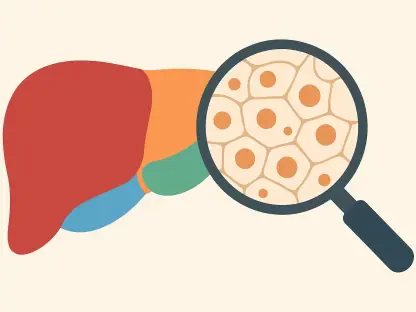

The laboratory’s successful use of Enzyme-Linked Immunosorbent Assay for serological detection was a key factor in its recent global health certification. This milestone marks a transformative shift in the diagnostic landscape of West Africa, specifically within the Gombe region. For years, the absence of high-level testing facilities meant that samples had to be transported over vast distances, leading to significant delays in disease management. Now, with the official endorsement of the World Health Organization, this laboratory stands as a pillar of reliability for the detection of measles and rubella. This achievement is not merely a technical success but a testament to the dedication of local health professionals who have worked tirelessly to meet stringent international requirements. The facility now operates with an unprecedented level of precision, ensuring that every result contributes to the broader objective of disease eradication. By establishing this level of proficiency, Gombe has effectively enhanced its role in the global surveillance network, providing a model for other regional centers to follow in the pursuit of clinical excellence.
Strengthening Regional Diagnostic Infrastructure
Local Impact on Disease Surveillance Networks
The establishment of a certified testing center within Gombe State signifies a departure from centralized health models that often left peripheral regions vulnerable. With the capacity to process hundreds of samples daily, the laboratory effectively closes the gap between clinical suspicion and laboratory confirmation. This shift is particularly critical for measles and rubella, where rapid identification is essential to trigger mass vaccination campaigns and isolate affected populations. The laboratory’s operational protocols now meet the highest international standards, ensuring that data generated locally is accepted by the global epidemiological community. Such reliability fosters greater trust among the public, as families see faster turnaround times for diagnostic results and more immediate medical responses. Furthermore, the presence of such a facility encourages local health workers to remain vigilant in their surveillance efforts, knowing that their field observations will be supported by definitive laboratory evidence within a matter of days rather than weeks or months.
Technical Advancements and Quality Control
Beyond simple testing capacity, the accreditation process involved rigorous assessments of the facility’s quality management systems and biosafety protocols. Technicians underwent intensive training modules focused on sophisticated molecular biology techniques and rigorous data management practices. This investment in professional development has created a specialized workforce capable of maintaining the equipment and ensuring the longevity of the diagnostic services provided. The integration of advanced digital tracking systems allows for real-time reporting of results to national health databases, facilitating a more coordinated response to potential epidemics. These technical improvements have effectively turned the Gombe laboratory into a model for other regional centers seeking to enhance their diagnostic reach. By focusing on both technical proficiency and administrative rigor, the facility has proven that world-class healthcare standards are achievable in diverse geographical settings through dedicated regional investment and international cooperation.
Advancing Global Public Health Standards
Strategic Integration Into Health Landscapes
The successful certification of the Gombe laboratory contributes to a broader strategy aimed at decentralizing global health security. By empowering regional labs, the international community reduces its reliance on a few overburdened sites, thereby creating a more resilient and distributed network for disease monitoring. This approach is fundamental to the Global Vaccine Action Plan, which seeks to eliminate measles and rubella through localized surveillance and high immunization coverage. The laboratory’s ability to distinguish between these two diseases through serological testing is vital, as their clinical presentations can often be similar despite requiring different public health strategies. This specific diagnostic clarity allows for more efficient use of resources, ensuring that vaccines and medical supplies are directed exactly where they are needed most. Moreover, the data collected in Gombe will now provide high-quality evidence for global research, helping scientists understand viral transmission dynamics in unique ecological and social settings.
Future Considerations and Actionable Steps
The path toward this accreditation served as a blueprint for future public health initiatives, highlighting the necessity of sustained partnership between local governments and international bodies. Stakeholders prioritized the procurement of specific reagents and the modernization of thermal cyclers to ensure the laboratory could maintain its certification through 2026 and across the 2027 to 2029 period. Moving forward, the focus shifted toward expanding the facility’s diagnostic menu to include other emerging pathogens, leveraging the existing infrastructure to tackle a wider range of infectious threats. Health officials recommended that this success be used to advocate for increased domestic funding for laboratory maintenance and staff retention to prevent a decline in service quality. The integration of community feedback into the laboratory’s operational strategy also proved essential, as it ensured that diagnostic services remained accessible to the most vulnerable populations in the sub-region across all districts.