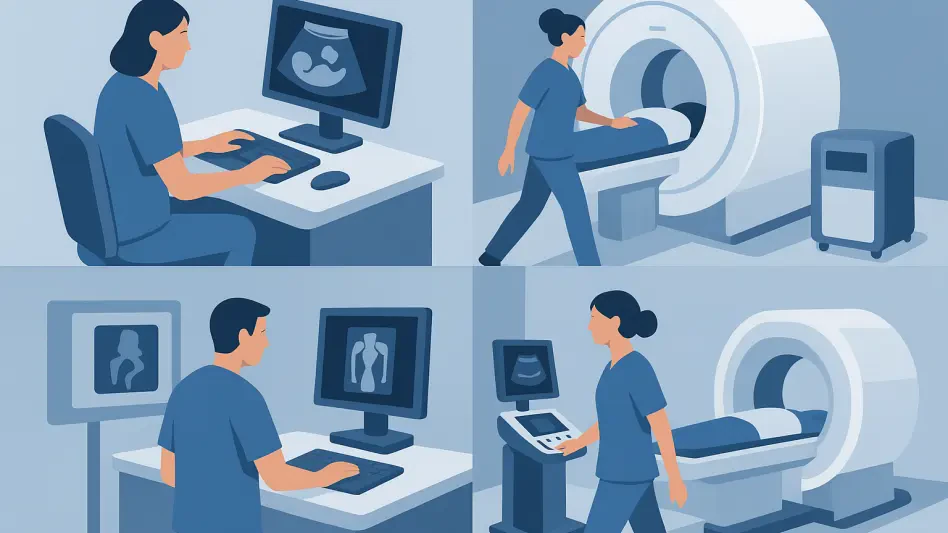

Medical leadership describes the provincial waitlist as a ‘long bus’ where the objective is to increase the speed of entry and exit rather than emptying the vehicle entirely. This metaphor encapsulates the massive transformation currently underway within the provincial healthcare system as it shifts from a fragmented, paper-heavy past toward a streamlined, digital future. For years, residents faced growing delays due to an aging population and a sudden surge in new arrivals, which strained existing diagnostic facilities to their breaking point. The province has responded by abandoning the antiquated methods of the previous decade in favor of a centralized network that treats diagnostic imaging as a single, province-wide resource. This reorganization is not merely about buying new equipment; it is a fundamental redesign of how healthcare is delivered to ensure that the rapidly growing population in urban centers and rural areas alike can access life-saving scans without the traditional geographic barriers that once dictated their quality of care.
The provincial “Action for Health” initiative has provided the necessary framework for this overhaul, injecting significant capital into infrastructure, human resources, and administrative reform. By moving away from a siloed approach where each hospital managed its own queue, health officials are now able to see the entire diagnostic landscape in real time. This high-level visibility allows for a more responsive system that can adapt to surges in demand or localized equipment failures. The goal is to create a seamless experience where a patient’s journey from a referral to a completed scan is guided by clinical priority and available capacity rather than logistical hurdles. As these digital and physical upgrades come online, the healthcare landscape is evolving into a more equitable environment where the “long bus” moves with greater velocity, ensuring that patients receive their results and begin their treatment plans far sooner than was possible under the previous, less integrated model.
Modernizing the Infrastructure
New Technology: Faster Scanning and Precision
The backbone of Nova Scotia’s strategy to reduce wait times involves a comprehensive modernization of its imaging hardware, replacing legacy systems with high-throughput technology. Modern scanners are no longer just tools for visualization; they are advanced computing platforms capable of producing high-definition images in a fraction of the time required by older units. For example, the current generation of MRI machines can process approximately 30% more patients during a standard shift compared to the units used just a few years ago. This gain in efficiency is critical because it allows hospitals to increase their daily volume without requiring additional floor space or overnight shifts. By investing in these high-efficiency units, the province is effectively expanding its capacity from within, making better use of every hour a machine is operational. This technological leap ensures that the backlog of routine scans can be addressed with greater speed, while also providing clinicians with superior diagnostic clarity for complex neurological and cardiac cases.
Beyond the speed of individual scans, the province has strategically deployed specialized facilities like the Bayers Lake Outpatient Centre to streamline patient flow. This facility is specifically designed to handle “healthy” outpatients—those who require routine imaging for joint issues, minor injuries, or preventative screenings but do not need the full resources of an acute care hospital. By diverting these lower-complexity cases to a dedicated outpatient setting, the province keeps high-intensity scanners in major hospitals free for emergency department arrivals and inpatient needs. This separation of “routine” and “urgent” streams prevents a single emergency from derailing an entire day’s worth of scheduled appointments. Furthermore, the introduction of “MRI in a box” units—relocatable, self-contained scanning suites—has allowed the health authority to add capacity rapidly in high-demand areas without the lengthy timelines associated with traditional hospital construction. These mobile solutions provide the flexibility needed to respond to sudden population shifts or to bridge the gap during major facility renovations.
Expanding Regional Access: Beyond the Urban Core
Modernizing infrastructure is not a process confined to the provincial capital; it is a comprehensive effort to ensure regional equity across Cape Breton and the South Shore. For decades, residents in rural communities often felt neglected by a system that concentrated its most advanced technology in Halifax. To rectify this, regional hospitals are being outfitted with the same high-caliber diagnostic tools found in the most modern urban centers. This distribution of technology ensures that a patient in a smaller coastal town can access a CT or ultrasound scan locally, rather than being forced to travel hours for basic imaging. By upgrading regional hubs, the province is reducing the burden on the largest hospitals while simultaneously providing rural residents with faster access to care. These upgrades are essential for stabilizing the health of rural communities and ensuring that the quality of diagnostic services remains consistent regardless of a patient’s postal code, fostering a sense of trust in the provincial healthcare network.
Looking toward the near future, the province is preparing for the introduction of next-generation photon-counting CT scanners, with implementation cycles planned for 2027 and 2028. This technology represents the most significant advancement in computed tomography in over a decade, offering unprecedented detail in tissue imaging while further reducing the radiation dose for patients. By securing these advanced units now, the province is effectively future-proofing its diagnostic network against the continued demands of a growing and aging population. These machines will allow for more precise oncology screenings and better monitoring of chronic diseases, potentially catching issues before they require more invasive and expensive treatments. This forward-looking investment strategy demonstrates a commitment to not just catching up with the current backlog, but staying ahead of future medical needs. The integration of such high-end technology into the provincial fleet marks a transition from a reactive healthcare system to a proactive one that prioritizes early detection and clinical precision through advanced engineering.
Strengthening the Healthcare Workforce
Investing in Human Capital: Training the Next Generation
A scanner is only as effective as the professional operating it, which is why Nova Scotia has made significant investments in expanding its healthcare workforce. Recognizing a global shortage of medical radiation technologists and sonographers, the province has taken a “homegrown” approach by doubling the number of seats available in these programs at the Dalhousie School of Health Sciences. This strategic expansion is designed to create a reliable pipeline of local talent who are familiar with the provincial system and invested in the local community. By providing the educational infrastructure necessary to train more students, the government is addressing the root cause of the staffing shortages that have historically led to equipment being underutilized. These new graduates represent a fresh wave of expertise entering the workforce, bringing with them training on the latest digital platforms and scanning techniques that are essential for operating the new fleet of advanced medical machinery.
The impact of this educational push is already being felt across the diagnostic imaging departments of the province’s major hospitals. Dozens of new technologists have been integrated into the system, allowing for the opening of additional evening and weekend scanning slots that were previously unstaffable. Over the next two years, an even larger cohort of graduates is expected to join the ranks, providing the necessary human capital to operate the new facilities in Bayers Lake and beyond. This influx of personnel is helping to reduce the pressure on existing staff, who have frequently dealt with overtime and burnout during the peak of the backlog. By ensuring a steady supply of qualified professionals, the health authority is creating a more sustainable working environment that can maintain high performance over the long term. This focus on domestic training also serves as a hedge against the unpredictability of international recruitment, providing Nova Scotia with a stable and predictable workforce that can grow alongside the population.
Retention Strategies: Securing Long-Term Stability
Training new professionals is a critical step, but keeping them in the province remains a significant priority for health officials facing intense global competition for medical talent. To address this, Nova Scotia has introduced guaranteed five-year employment contracts for graduates of local health science programs, providing young professionals with the job security and financial stability needed to build a life in the Maritimes. These contracts are more than just a recruitment tool; they are a commitment to the long-term career development of the workforce. By offering competitive wages and clear pathways for specialization, the province is making it attractive for technologists to stay in the public system rather than moving to private clinics or other provinces. This stability is essential for maintaining the operational consistency of diagnostic departments, as it reduces the high costs and disruptions associated with frequent staff turnover and the use of temporary agency workers.
In addition to financial incentives, the province is focusing on improving the daily work-life balance for its diagnostic staff to combat the chronic issue of burnout. The increased staffing levels allow for more predictable scheduling and the ability for technologists to take time off without compromising patient care. Furthermore, the integration of new technology has streamlined many of the administrative tasks that previously bogged down the scanning process, allowing professionals to focus more on patient interaction and the technical aspects of their roles. While the competition for medical talent remains fierce across North America, Nova Scotia’s comprehensive approach to retention—combining financial security with an improved workplace culture—is starting to pay dividends. As the workforce stabilizes, the diagnostic system becomes more resilient, capable of handling surges in demand while maintaining a high standard of patient safety and care quality that attracts and retains the best talent in the field.
Administrative and Digital Evolution
Centralized Systems: The Shift to Digital Efficiency
One of the most profound changes in the provincial diagnostic landscape has been the total overhaul of the administrative and referral processes. In the past, the system relied heavily on paper-based records and faxed referrals, which frequently led to lost documentation and significant delays in booking appointments. To resolve these inefficiencies, Nova Scotia Health has successfully implemented a comprehensive electronic referral system and a centralized intake hub. This digital platform allows every imaging request in the province to be tracked from the moment it is issued by a primary care provider to the moment the final report is delivered. By digitizing this workflow, the province has eliminated the administrative bottlenecks that once added weeks to the total wait time. Clinicians can now see the status of their patients’ requests in real-time, and administrative staff can manage schedules across multiple sites with far greater precision and speed.
This centralized intake hub acts as the brain of the provincial imaging network, ensuring that resources are allocated based on clinical urgency rather than geographic proximity. When a referral enters the system, it is triaged by specialists who determine the appropriate level of priority based on the patient’s symptoms and history. This standardized approach ensures that a patient with a suspected malignancy or an acute neurological condition is moved to the front of the line, regardless of where they live or which hospital they initially visited. The digital system also allows for better coordination between different departments, such as ensuring that a patient’s CT scan is synchronized with their upcoming surgical consultation or oncology appointment. This level of administrative integration has transformed the diagnostic process from a series of disconnected events into a cohesive, patient-centered journey that maximizes the utility of every scanner and every staff member in the province.
Patient Equity: Implementing Waitlist Smoothing
The transition to a centralized digital system has paved the way for “waitlist smoothing,” a practice that aims to balance the load of imaging requests across all available facilities in Nova Scotia. Previously, wait times for an MRI could vary by several months depending on whether a patient was seeking care in an urban center versus a smaller regional hospital. To address this geographic inequality, the central intake hub now offers patients the option to travel to a different facility if a shorter wait time is available elsewhere. This “choice-based” model empowers patients to take a more active role in their care, often resulting in them receiving scans weeks or even months earlier than they would have at their local hospital. This strategy has proven highly effective at utilizing the excess capacity in regional centers, which might otherwise have gaps in their schedules while urban facilities are overwhelmed by demand.
Waitlist smoothing does not just benefit those who are willing and able to travel; it also indirectly helps patients who must stay close to home for medical or financial reasons. When a significant portion of the patient population moves to regional sites, the local queue at major urban hospitals shortens, allowing those with limited mobility to be seen more quickly. This approach creates a more equitable distribution of medical resources across the entire province, ensuring that the “long bus” of the waitlist moves at a more uniform speed for everyone. It represents a shift in thinking from viewing hospitals as independent entities to seeing them as part of a single, unified provincial health infrastructure. By leveraging technology to move data and patients more efficiently, Nova Scotia is successfully breaking down the regional disparities that once characterized the healthcare experience, moving toward a model where access is defined by need rather than location.
Measuring Success and Future Outlook
Statistical Gains: Tracking Real-World Progress
The effectiveness of Nova Scotia’s multi-pronged approach to diagnostic imaging is perhaps best reflected in the raw data emerging from the provincial health authority. Since the beginning of this modernization effort, the total volume of CT scans performed annually has surged by 39%, while MRI volumes have seen an even more impressive increase of 47%. These figures are not just abstract numbers; they represent thousands of additional residents who have received diagnoses that allowed them to move forward with their lives. For many, the reality of these improvements is felt in the drastic reduction of wait times for routine procedures. For instance, the wait for a non-urgent joint or spine MRI, which once stretched for nearly a year in some regions, has now dropped to a window of just six to eight weeks in many areas. This progress indicates that the “long bus” is indeed moving faster, providing a level of service that was previously thought unattainable given the province’s demographic challenges.
Despite these significant gains, health officials acknowledge that the job is far from over. The statistics show a system that is operating at a much higher capacity, but they also reflect a growing demand that continues to rise as the population expands. The increase in scan volumes has been necessary just to keep pace with the influx of new residents and the aging of the current population. Therefore, the focus has shifted from simply adding machines to optimizing every aspect of the patient journey to ensure that the gains made are sustainable. The health authority continues to monitor these metrics closely, using real-time data to identify new bottlenecks as they emerge. This data-driven management style allows for rapid adjustments in staffing or equipment allocation, ensuring that the system remains responsive to the needs of the public. The current success serves as a proof of concept for the broader “Action for Health” plan, demonstrating that strategic investment combined with administrative reform can yield tangible improvements in healthcare access.
Challenges and Transparency: The Path Forward
While the statistics are encouraging, the human reality of the healthcare system often involves individuals who are still navigating long waits in pain or uncertainty. Critics and patient advocates have pointed out that while routine scan times have improved, the pressure on the workforce remains high, and the pace of change can feel slow to those currently stuck in the system. There are concerns regarding staff burnout, as the push for higher scan volumes places a constant demand on technologists and radiologists. Furthermore, while the digital referral system has improved efficiency, it also requires ongoing training and adaptation for healthcare providers who were accustomed to older methods. These challenges highlight the complexity of transforming a large public institution and the need for continuous support for the frontline workers who are the engine of this progress. Acknowledging these difficulties is essential for maintaining the public’s trust as the province continues its transition toward a more modern healthcare model.
The provincial health authority established a clear roadmap for the future, prioritizing greater transparency through the implementation of prospective wait time data. Stakeholders determined that the path forward involved providing patients with more accurate forecasts of their expected wait times at the moment of referral, rather than relying on historical averages. By focusing on the integration of predictive analytics and expanding the regional scope of diagnostic clinics, the province successfully laid the groundwork for a more resilient and communicative system. These developments indicated that the focus shifted toward a model that empowered patients with information and clinical certainty. Moving into the next phase, the healthcare sector prepared for the continued integration of artificial intelligence tools to assist in scan prioritization and image analysis. The final consensus emerged that while significant progress was achieved, the commitment to refining the digital and physical infrastructure remained the primary catalyst for ensuring that diagnostic services stayed ahead of the curve.