
Employees reported that constant turnover in management forced them to provide only a minimum level of care that neglected the emotional needs of residents. The Care Quality Commission (CQC) recently issued a damning report following an extensive assessment of Eastbourne Care Home in Darlington, England. This investigation, conducted during the mid-summer of 2026, uncovered systemic failures that led to an “inadequate” rating in leadership. While other operational categories were deemed to “require improvement,” the findings depict a facility in crisis where administrative instability compromised the safety and dignity of residents. The primary driver of this decline was a vacuum of consistent management, with the home cycling through three different managers in a three-month window. This rapid turnover decimated staff morale and left the workforce feeling abandoned and unheard. Without a steady hand at the helm, the home’s governance fractured, leading to significant shortfalls in risk management and failing to maintain progress.
Leadership Instability and Employee Morale
The testimony provided by the staff during the inspection paints a grim picture of a workplace defined by distrust and chronic exhaustion. Employees reported that the constant change in leadership made it impossible to establish a unified standard of care, leaving them to navigate a chaotic environment without any meaningful organizational support. Many workers expressed that their attempts to voice concerns about resident safety or facility conditions were met with indifference, creating a culture where internal advocacy for residents felt entirely futile. This vacuum of accountability allowed small issues to snowball into systemic crises, as there was no long-term vision to guide the staff through daily operations. The instability also eroded the professional bond between different departments, leading to a fragmented approach to care. Consequently, the lack of a cohesive management team meant that even highly experienced staff felt unsupported and disconnected from the home’s mission.
This internal dissatisfaction and organizational friction inevitably trickled down to the level of service provided to the residents. Understaffed and overwhelmed, caregivers admitted they were often forced to adopt a “minimum care” model out of necessity rather than choice. This approach prioritizes basic physical tasks, such as feeding and hygiene, while leaving the social, emotional, and psychological needs of the residents completely unaddressed. The inspectors noted that while the staff often showed individual kindness, they lacked the time to engage in the therapeutic interactions that are vital for elder well-being. This situation highlights a fundamental disconnect between the facility’s stated goals and the reality of its daily operations. When management fails to provide a stable structure, the resulting pressure on the workforce translates directly into a diminished quality of life for those in their care. The focus shifts from holistic wellness to mere survival, a shift that the CQC found unacceptable.
Clinical Risks and Physical Safety Concerns
Inspectors identified alarming deficiencies in clinical safety, particularly regarding the administration and recording of essential medications. The report noted that medicine management records were either inconsistent or missing entirely, making it nearly impossible to verify if residents were receiving the correct dosages at the appropriate times. Even more troubling was the fact that while internal audits existed on paper, they failed to trigger any corrective actions, rendering the home’s oversight processes essentially useless in preventing potential medical errors. This breakdown in clinical governance suggests that the facility was operating with a false sense of security, relying on checkboxes rather than active clinical management. The lack of rigorous follow-up on audit findings meant that known risks remained unmitigated for extended periods. Such oversights in a care setting can lead to catastrophic health outcomes, especially for residents with complex medical needs who require precise and consistent pharmacological intervention.
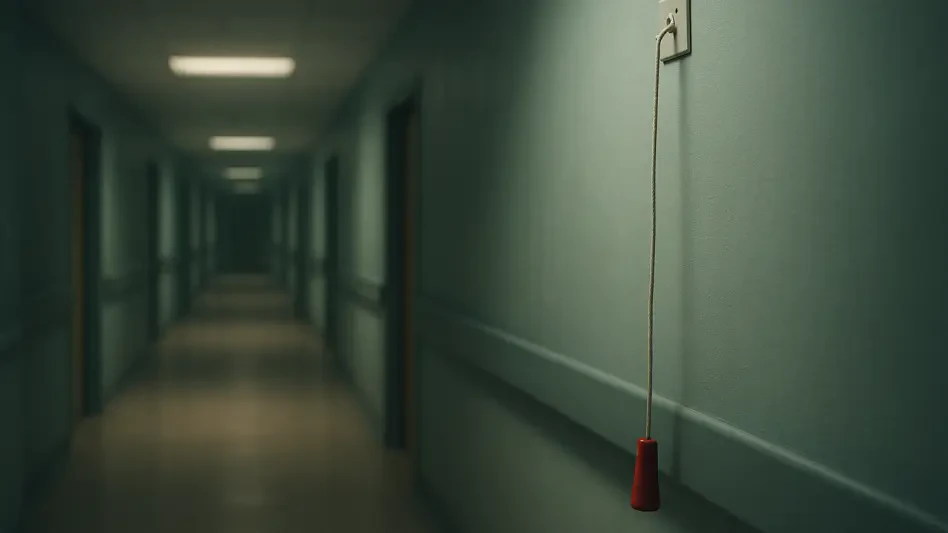
Physical safety was also a major point of contention during the 2026 assessment, as the CQC found that many residents could not reach emergency alarm cords when they needed assistance. In several instances, the cords were tied up or placed out of reach, a direct violation of safety protocols that left vulnerable individuals unable to call for help in a crisis. Furthermore, the facility failed to secure hazardous, unused areas of the building, leaving residents at risk of wandering into dangerous environments. Incomplete and contradictory risk assessments further complicated matters, making it nearly impossible for the staff to provide the personalized care necessary to keep high-risk individuals safe. These physical hazards are indicative of a broader failure to monitor the living environment and implement basic safety standards. Without proactive maintenance and vigilant oversight, the physical plant of the care home became a source of risk rather than a sanctuary of safety. The lack of attention to these details reflects the leadership void.
Quality of Life and the Tragedy of Social Isolation
Daily life for those living at Eastbourne Care Home was described as a monotonous cycle of waiting, with many residents spending the majority of their time alone in their rooms. Following the departure of the activities staff, management failed to find suitable replacements, which effectively ended all social and cultural stimulation within the facility. This lack of engagement led to a profound sense of isolation, with residents reporting that while they liked the individual caregivers, the staff was simply too busy to talk to them for more than a few moments. The inspectors observed residents sitting in communal areas for hours without any form of entertainment or social interaction, a situation that negatively impacts cognitive health and emotional stability. The absence of a structured activity program meant that the residents’ days lacked purpose and variety, leading to an environment that felt more like an institution than a home. This failure to address the human need for connection is a significant breach of care standards.
The consequences of this “minimum care” model and the resulting social isolation are currently being scrutinized in relation to the death of 66-year-old resident Kevin McNichol. In early 2026, Mr. McNichol passed away shortly after being admitted to the hospital with sepsis resulting from an infected pressure sore. A coroner’s inquest has been opened to investigate potential neglect, as pressure sores are often preventable through proper monitoring and regular movement—tasks that likely fell through the cracks of the home’s failing governance and understaffed shifts. This tragic event serves as a stark reminder of the real-world impact of administrative failures and the prioritization of tasks over people. When a facility lacks the leadership to ensure that basic nursing care and skin integrity protocols are followed, the results can be fatal. The investigation into this case continues to highlight the urgent need for a shift in how the facility manages its most vulnerable residents to prevent further avoidable tragedies.
Governance Failures and the Path to Reform
The CQC report emphasized that the provider, Eastbourne House Ltd, has struggled to sustain long-term improvements, often allowing new issues to emerge even after old ones were supposedly resolved. This inability to maintain standards led healthcare partners to intervene, resulting in a suspension of new admissions to the home throughout the latter half of 2026. This embargo is intended to allow the facility to focus entirely on rectifying its current deficiencies without the added strain of integrating new residents. The recurring nature of these failures suggests that the home’s governance systems were fundamentally flawed and incapable of self-correction. External monitoring became necessary because the internal quality assurance mechanisms had failed to identify and address the risks to resident safety. The suspension of admissions is a significant regulatory step that underscores the lack of confidence local authorities and health partners have in the current management’s ability to provide a safe and effective environment for elderly residents.
In response to these findings, the provider claimed that significant action was taken to address the CQC’s concerns and improve the daily experience of residents. They pointed to more recent reviews from local authorities as evidence of progress and reiterated a commitment to restoring the home to acceptable standards. However, the path to reform required a formal action plan and a complete overhaul of the leadership structure to ensure that the “minimum care” model was replaced with a holistic approach. The next steps for the facility included implementing rigorous clinical audits, hiring dedicated activities personnel, and establishing a stable management team that could foster a positive workplace culture. Moving forward, the focus remained on transparency and the consistent application of safety protocols to rebuild trust with the community and regulatory bodies. The facility finally prioritized resident safety and dignity as the core of its operational strategy, which served as a necessary foundation for its long-term recovery.