
Predictive analytics in healthcare is gaining momentum as tools like eCART prove capable of identifying potential emergencies long before traditional monitoring methods. Wolters Kluwer Health recently finalized a definitive agreement to acquire AgileMD, a San Francisco-based developer of AI-driven clinical decision support software, for a total consideration reaching up to $100 million. The financial structure of this deal consists of an upfront $40 million cash payment, while the remaining $60 million is contingent upon the achievement of specific performance-based milestones. This strategic move aims to deeply embed advanced surveillance tools into the electronic health record workflows that clinicians use daily. By bridging the gap between static medical knowledge and real-time patient data, the acquisition positions Wolters Kluwer to evolve its flagship UpToDate platform from a reference library into an active participant in hospital bedside care and emergency prevention. This acquisition represents a significant shift in how health systems manage acute patient risks, moving away from reactive responses toward a proactive model that leverages sophisticated algorithms. The integration of these tools into existing systems ensures that medical professionals receive timely alerts without having to navigate away from their primary digital environments. As hospitals face increasing pressure to improve safety and efficiency, such investments in predictive infrastructure have become essential for maintaining high standards of care across diverse patient populations in modern facilities.
Advancing Patient Safety Through Real-Time Surveillance
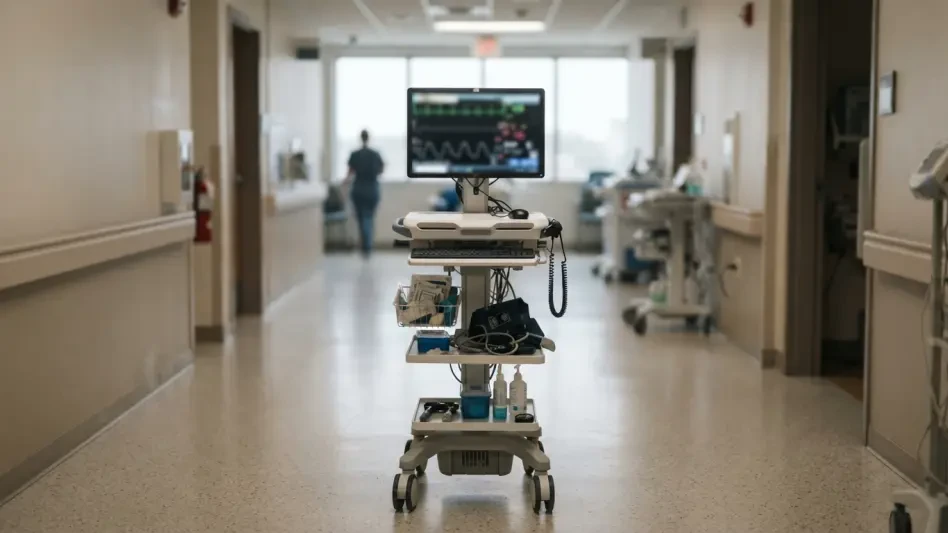
The core of this acquisition rests on two primary technological assets developed by AgileMD that are designed to streamline hospital operations and improve safety. The first is AgileMD Pathways, a versatile platform that operationalizes complex, hospital-specific clinical guidelines directly within the charting and order-entry environment. This ensures that every member of the medical staff follows standardized evidence-based protocols, thereby reducing variability in treatment and minimizing medical errors. The second and perhaps most impactful asset is eCART, a surveillance engine that recently received FDA 510(k) clearance. This AI-powered tool continuously monitors patient data points, such as vital signs, laboratory results, and nursing assessments, in real time. By identifying subtle patterns of physiological deterioration, eCART can predict critical events such as cardiac or respiratory arrest hours before they manifest physically, allowing teams to intervene early. These systems do not merely flag problems but provide actionable steps grounded in validated clinical research to help teams manage deteriorating patients effectively.
This technological synergy facilitates a transition from providing passive clinical references to offering active, automated workflow orchestration at the point of care. Previously, clinicians often had to pause their work to search for the latest medical evidence or specific guidelines, a process that could lead to delays in critical decision-making. With the integration of AgileMD’s tools, these expert insights are pushed directly into the provider’s primary digital workspace, such as the electronic health record system. This automation allows for a seamless flow of information where the right data reaches the right person at the exact moment. Furthermore, the combination of real-time surveillance with standardized pathways empowers hospitals to reduce inpatient mortality rates and shorten lengths of stay. By automating the identification of at-risk patients, medical centers can allocate their human resources more effectively, focusing specialized rapid response teams on those who need immediate help while maintaining general oversight across all departments.
The acquisition of AgileMD established a new benchmark for how health technology firms integrated predictive intelligence into everyday medical practice. Organizations that adopted these integrated tools moved beyond the era of manual monitoring and embraced a future where data served as a continuous safety net for patients. Financial analysts observed that AgileMD was on track to reach seven million dollars in recurring revenue by the end of 2026, validating the strategic investment. Medical directors prioritized the implementation of these AI engines to ensure that clinical guidelines were not just documents on a shelf but lived as active components of the care delivery process. The shift toward automated surveillance allowed healthcare providers to focus more on direct patient interaction rather than data entry or manual risk assessment. By investing in these capabilities, health systems secured a more resilient operational framework that effectively balanced technological innovation with human expertise. Ultimately, the successful merger suggested that the most effective medical solutions were those that lived within the natural flow of work.