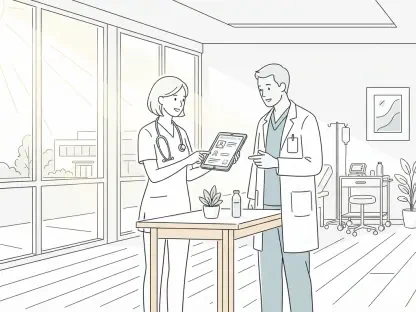

By treating the physical health of the nurse as a foundational element of clinical excellence, UTA is setting a new standard for how the healthcare workforce is trained and sustained. In the fast-paced corridors of modern healthcare centers, the traditional image of nursing is undergoing a radical transformation as academic institutions recognize the extreme physical and mental tolls of the profession. Rather than viewing burnout as an inevitable byproduct of a demanding career, the University of Texas at Arlington is pioneering a model that blends medical expertise with the high-performance principles of sports science. This interdisciplinary strategy acknowledges that a nurse’s body is their primary tool, requiring the same level of maintenance and preparation as any professional athlete. By integrating exercise science directly into the nursing curriculum, the program moves beyond conventional pedagogy to create a workforce capable of navigating twelve-hour shifts characterized by heavy lifting, constant movement, and high-stakes decision-making. This shift represents a broader movement within the medical community to prioritize the sustainability of its human capital through proactive physical and psychological conditioning.
Strengthening the Human Machinery
The integration of exercise science into nursing education at UTA represents a foundational shift in how the medical community approaches workforce preparedness. By viewing the nurse as an occupational athlete, the university acknowledges that clinical competence is inextricably linked to physical and mental durability. This perspective is particularly critical in an era where healthcare demands are escalating, and the physical strain of patient care remains a primary cause of professional attrition. The program utilizes data-driven insights from the university’s kinesiology department to identify the specific physiological stressors that nurses encounter during a standard shift. This collaborative approach allows for the development of tailored interventions that address the unique mechanical requirements of the job, such as patient handling and prolonged standing. Building on this scientific foundation, the framework seeks to transform the identity of the nurse from a passive provider into a proactive athlete who manages their health with the same precision as their medical tasks.
Physical Conditioning: Foundations of Clinical Success
The physical reality of a nursing career is often compared to that of a tactical professional or a marathon runner, with daily duties requiring immense stamina and structural integrity. Research indicates that during a single shift, a nurse may walk between four and five miles while frequently performing tasks that involve lifting hundreds of pounds, often in awkward or confined spaces. Such repetitive and intense labor frequently results in musculoskeletal injuries that shorten careers and degrade quality of life. To mitigate these risks, UTA’s framework introduces students to specialized strength training protocols and ergonomic strategies designed specifically for clinical environments. Instead of reacting to injuries after they occur, students are trained to perceive their bodies as high-performance machines that require specific conditioning to withstand the mechanical stresses of the job. By focusing on core stability and proper mechanics, the program ensures that future nurses are physically equipped to handle the rigors of the hospital floor while minimizing the risk of long-term injury.
Cognitive Resilience: The Load of Occupational Athletics
Beyond the muscular demands, the cognitive load placed on healthcare providers necessitates a high level of mental fitness that mirrors the preparation of elite competitors. In a crisis situation, a nurse must maintain focus and execute complex clinical tasks while operating under significant physical fatigue and emotional pressure. The Clinical Athlete Framework bridges this gap by applying performance psychology to the clinical setting, teaching students how to manage stress responses and maintain situational awareness during long hours. This approach elevates the status of the nurse to that of an occupational athlete, a designation that implies a commitment to self-discipline and holistic health. By framing professional duties through this lens, the university fosters a culture where the maintenance of the provider’s well-being is seen as a prerequisite for patient safety. This comprehensive preparation allows nurses to navigate the complexities of modern medicine with a sharpened sense of resilience, ultimately reducing the likelihood of medical errors that stem from exhaustion.
Strategies for Professional Longevity
Addressing the systemic challenges of the healthcare industry requires a move toward sustainable professional practices that prioritize the health of the individual provider. As the industry faces a significant shortage of experienced nursing staff, the focus has shifted toward creating educational models that emphasize professional longevity. UTA’s approach to this challenge involves more than just physical training; it encompasses a holistic strategy for managing the long-term psychological and physiological impacts of a high-stress career. By identifying the early warning signs of exhaustion and implementing evidence-based recovery protocols, the university is equipping its graduates to handle the complexities of modern medicine without sacrificing their own well-being. This focus on longevity is a critical component of institutional stability, ensuring that the next generation of healthcare workers can remain in the field for decades rather than just a few years. Through this model, the university is effectively redefining the standard for professional nursing education.
Professional Longevity: Mitigating Burnout through Recovery
Addressing the national crisis of nursing turnover requires more than just clinical skill; it necessitates a fundamental shift in how the industry views the concept of rest and recuperation. In recent years, high rates of attrition among new graduates have highlighted a systemic failure to prepare professionals for the cumulative exhaustion of the field. UTA addresses this by embedding recovery strategies directly into the curriculum as a core professional competency rather than an afterthought. Students are educated on the physiological impacts of shift work, including the importance of sleep hygiene and nutritional timing to maintain metabolic health and hormonal balance. By understanding how the body recovers from intense periods of stress, future nurses can implement personalized wellness plans that protect them against the creeping onset of professional detachment. This educational pivot ensures that students graduate not just with degrees, but with the practical tools needed to sustain a long career while maintaining the empathy and energy required for patient care.
Actionable Standards: The Future of Clinical Excellence
Looking ahead, the success of the Clinical Athlete Framework indicated that a fundamental redesign of nursing education was necessary to meet the demands of the modern era. Healthcare administrators began to look toward these interdisciplinary models as a blueprint for institutional wellness programs that could be scaled across entire health systems. The integration of performance science into clinical training provided a clear path forward for reducing the costs associated with staff turnover and workplace injuries. Moving forward, the focus shifted toward establishing national standards for occupational health within the nursing profession, ensuring that every provider had access to the resources needed for physical and mental maintenance. Stakeholders in medical education were encouraged to form deeper partnerships with kinesiology and sports psychology departments to refine these training protocols continuously. Ultimately, the adoption of these rigorous health standards proved that protecting the provider was the best way to protect the patient.