
The rapid transformation of healthcare delivery systems necessitates a shift from traditional classroom instruction to immersive, technology-driven clinical experiences that prepare students for high-stakes environments. St. Luke’s College represents a pivotal bridge in this evolution, ensuring that the next generation of healthcare providers is proficient in clinical theory and adept at navigating the complex digital tools that define modern medicine. By moving beyond rote memorization, the institution fosters a culture of critical thinking and adaptability. This is vital as the industry transitions toward more personalized, data-centric patient care models. The curriculum now emphasizes the integration of electronic health record proficiency and precision medicine alongside foundational bedside skills. Consequently, the collegiate environment serves as a microcosm of the modern hospital system. Students are immersed in a setting where technological fluency is as fundamental as diagnostic accuracy. This ensures that graduates are immediately capable of contributing to high-functioning medical teams.
Advanced Simulation: Bridging the Gap in Clinical Training
Central to the pedagogical strategy at St. Luke’s College is the extensive use of high-fidelity simulation laboratories that replicate the intensity of actual clinical settings. These facilities allow students to encounter rare and critical medical scenarios in a controlled environment where mistakes provide valuable learning opportunities rather than patient risks. From 2026 to 2030, the college intends to expand these resources to include more autonomous AI-driven patient simulators that respond dynamically to student interventions. These advanced mannequins simulate complex physiological responses, such as respiratory distress or cardiac anomalies, with startling realism. Students manage these crises in real-time, utilizing the same equipment and protocols found in top-tier surgical suites. This hands-on methodology reduces the anxiety often felt during first-year residencies. By bridging the gap between theoretical knowledge and practical execution, the simulation center creates a safe harbor for developing the muscle memory and clinical intuition necessary for medical excellence.
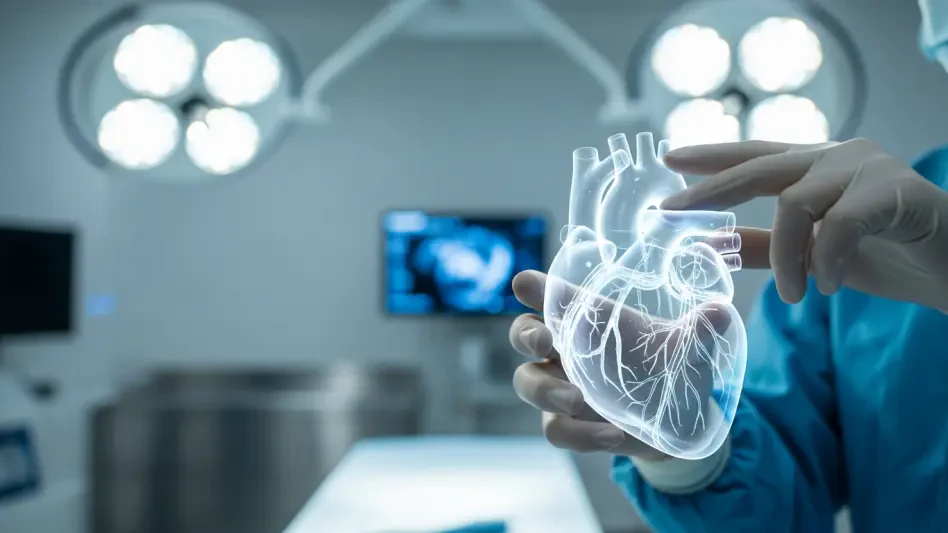
Beyond physical mannequins, the incorporation of augmented and virtual reality platforms offers a unique perspective on human anatomy and surgical procedures. Students can now perform virtual dissections or practice intricate suturing techniques in a 3D space that tracks their movements with millimeter precision. This level of detail enables learners to visualize the underlying structures of the body in ways that traditional textbooks cannot replicate. Furthermore, these digital environments allow for repetitive practice of complex tasks until mastery is achieved. The integration of haptic feedback technology ensures that students feel the resistance of tissue and the weight of instruments, adding another layer of realism to the experience. As digital tools become more prevalent in operating rooms, this early exposure provides graduates with a distinct competitive advantage. The focus remains on leveraging technology to enhance, rather than replace, the human element of medicine. This synergy between tech and clinical wisdom forms the cornerstone of the institution educational philosophy.
Collaborative Frameworks: Redefining Medical Workforce Readiness
Effective modern healthcare relies heavily on the ability of diverse specialists to communicate and collaborate seamlessly within a unified care delivery framework. St. Luke’s College addresses this requirement by mandating interdisciplinary training sessions where nursing, imaging, and respiratory therapy students work together on complex cases. This collaborative model breaks down the traditional silos that often hinder patient outcomes in real-world clinical settings. By understanding the unique perspectives and responsibilities of their colleagues, students develop a deeper appreciation for the collective effort required to manage patient health. Communication workshops are integrated into these sessions to refine the handoff processes and conflict resolution skills essential for high-stress environments. Moreover, the curriculum emphasizes the importance of social determinants of health, encouraging students to look beyond immediate symptoms to the broader factors affecting patients. This ensures that graduates are prepared to treat the person.
The strategic redirection of medical education at the college ultimately established a robust blueprint for developing versatile healthcare professionals who are ready for any challenge. Administrators prioritized the acquisition of cutting-edge diagnostic software and expanded community outreach initiatives to ensure students gained exposure to diverse patient populations. This comprehensive preparation enabled graduates to step into leadership roles almost immediately upon entering the workforce. Prospective educators and healthcare leaders took note of these successes, recognizing that the integration of empathy and high-tech proficiency was the most viable path forward. To replicate this success, institutions should focus on longitudinal clinical placements and the integration of data analytics into nursing and medical curricula. The actionable results of these efforts were seen in the reduced error rates and improved patient satisfaction scores. Students who embraced this training became the standard-bearers for a resilient system.