
Navigating the logistical hurdles of a traditional medical appointment often presents a significant barrier for seniors who face mobility challenges or live in rural areas far from specialized clinics, yet the rapid evolution of digital health platforms in 2026 has fundamentally changed this dynamic. The modern healthcare landscape now offers a sophisticated ecosystem where high-quality medical consultations occur within the comfort of a living room, effectively eliminating the stress of transportation and long waiting room exposures. This shift is not merely a convenience but a critical advancement in geriatric care, ensuring that chronic conditions are managed with a level of consistency that was previously impossible for homebound individuals. By leveraging a combination of high-speed connectivity and intuitive user interfaces, healthcare providers are bridging the gap between clinical expertise and domestic life, allowing for a proactive rather than reactive approach to elderly wellness.
Integrating Advanced Telehealth and Remote Monitoring
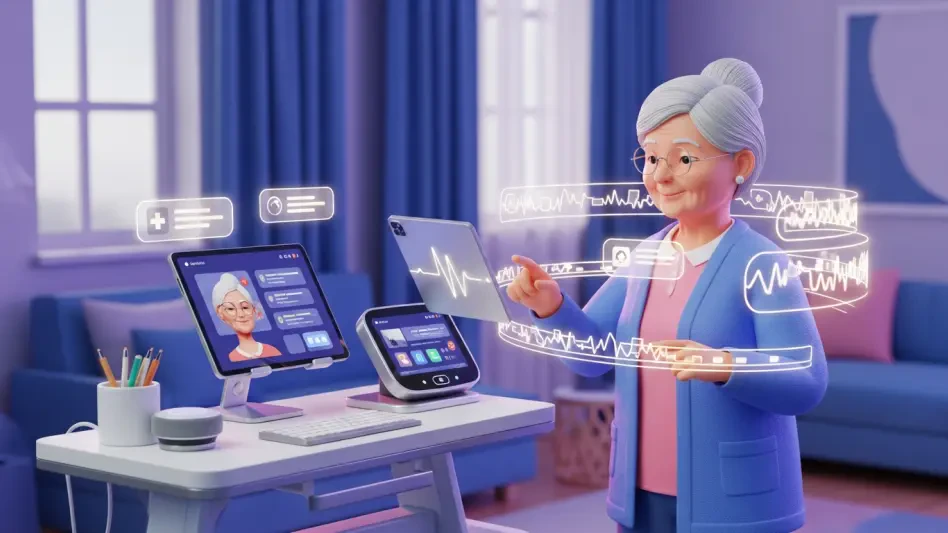
The core of remote senior care lies in the seamless integration of user-friendly telehealth platforms that prioritize accessibility and clarity for patients with varying levels of technological literacy. These systems often utilize large-format displays and voice-activated commands, allowing seniors to initiate a consultation simply by speaking to a dedicated medical hub or a synchronized tablet device. During these sessions, artificial intelligence assists by pre-screening symptoms and highlighting relevant medical history for the physician, which streamlines the conversation and ensures that no critical detail is overlooked. This intelligent triaging system allows doctors to focus entirely on the patient’s immediate concerns while the software handles the administrative burden of data entry. Furthermore, the use of high-definition video allows practitioners to observe physical indicators such as gait, skin tone, and cognitive clarity with remarkable precision.
Beyond visual communication, the deployment of clinical-grade remote monitoring devices has transformed the standard home into a functional diagnostic annex. Modern medical kits for seniors now include synchronized tools such as digital stethoscopes, pulse oximeters, and automated blood pressure cuffs that transmit real-time data directly into the electronic health record during a call. This immediate data stream enables a physician to perform a comprehensive physical assessment that rivals an in-person visit, particularly for managing cardiovascular and respiratory health. Sensors embedded in the home or worn as discreet accessories can even detect subtle changes in heart rate variability or sleep patterns, alerting the medical team to potential issues before they escalate into emergencies. The resulting continuous feedback loop provides a safety net that empowers seniors to maintain their independence while remaining under the constant, vigilant eye of their medical team.
Implementing Sustainable Home-Based Care Strategies
The successful adoption of these remote care models required a proactive stance from both families and healthcare organizations to ensure long-term efficacy and safety. Caregivers regularly verified the compatibility of home networks with new diagnostic hardware and prioritized the training of seniors on basic troubleshooting techniques to maintain uninterrupted access. Insurance providers expanded their coverage to include these hospital-at-home services, acknowledging that remote interventions significantly reduced the need for costly emergency room visits and prolonged inpatient stays. Moving forward, it became essential for individuals to consult with primary care physicians to establish a personalized remote care plan that integrated local mobile lab services for necessary blood work or imaging. This comprehensive approach ensured that medical care remained a constant presence rather than an occasional event, ultimately fostering a more resilient and responsive healthcare environment for the aging population.
To maximize the benefits of these advancements, families sought to optimize the domestic environment by designating a quiet, well-lit space specifically for medical consultations. They also coordinated with local pharmacies to integrate automated medication dispensing systems that synced with the doctor’s latest prescriptions to prevent dosage errors. These proactive steps allowed the elderly to receive a level of care that matched the sophistication of traditional clinics while remaining in familiar surroundings. Establishing a direct line of communication with technical support teams also proved vital in addressing any software glitches before they could impact a scheduled appointment. By treating the home-based setup as a formal extension of the doctor’s office, patients secured a reliable pathway to health management that prioritized their comfort and dignity. These strategies effectively transformed the patient experience from a burdensome logistical task into a manageable and highly effective component of daily life.