
Healthcare systems worldwide grapple with the persistent reality that clinical excellence cannot exist in a vacuum, requiring a sophisticated infrastructure that aligns administrative oversight with the delicate nuances of patient care. The Australian Commission on Safety and Quality in Health Care has addressed this challenge by introducing a comprehensive National Model for Clinical Governance, which marks a significant departure from traditional bureaucratic oversight. This framework effectively moves beyond the basic requirements of regulatory compliance, aiming instead to weave safety and quality into the very fabric of daily hospital management operations. By establishing a clear, unbreakable link between high-level executive decisions and the quality of care provided at the patient’s bedside, the model ensures that safety is treated as a core business priority rather than a peripheral administrative concern. This initiative recognizes that institutional leaders directly shape the systems that either prevent or allow errors.
Transforming Regulatory Compliance: From Checkboxes to Culture
For many years, the concept of clinical governance was frequently perceived by frontline staff as a mere bureaucratic hurdle or a repetitive checkbox exercise necessary for maintaining accreditation. This narrow view often resulted in fragmented safety protocols that lacked the depth needed to effect real change within complex medical environments. The newly established National Model reframes this fundamental concept by presenting governance as a vital, supportive mechanism specifically designed to empower the healthcare workforce rather than constrain it. By intentionally fostering a culture defined by trust and operational transparency, the framework allows doctors and nurses to dedicate their full attention to patient recovery without being hindered by inefficient organizational structures. This strategic shift is heavily informed by comprehensive insights gathered from recent national accreditation data and past safety inquiries which exposed persistent gaps.
Addressing these systemic vulnerabilities required a bold departure from regionalized strategies in favor of a unified national approach that harmonizes safety efforts across all Australian states and territories. This high level of consistency is absolutely vital for maintaining a rigorous standard of care, ensuring that a patient receives the same quality of treatment regardless of their geographic location or the size of the facility. The framework serves as a blueprint for healthcare organizations to synchronize their internal policies with national benchmarks, creating a seamless environment of accountability. Furthermore, this harmonization discourages the isolation of medical departments, encouraging instead a cross-pollination of safety ideas that strengthens the entire network. As organizations adopt these standards, the focus shifts toward continuous improvement, where every administrative choice is scrutinized for its potential impact.
Implementing Foundations: Wellbeing and Patient Partnerships
The structural integrity of this new framework rests upon several interconnected pillars, with organizational leadership, patient partnerships, and workforce wellbeing serving as the primary foundations. It represents a significant paradigm shift by explicitly recognizing that the physical health and psychological safety of clinicians are essential prerequisites for ensuring the safety of their patients. When medical professionals operate in an environment that prioritizes their mental health and provides adequate resources, the likelihood of fatigue-related errors decreases substantially. This holistic perspective ensures that the human element of healthcare is never overlooked in favor of purely technical or fiscal metrics. By investing in the people who deliver the care, health services are essentially building a more resilient system that can withstand the pressures of high-demand periods. This focus on the workforce creates a stable platform from which all other safety initiatives can effectively be launched.
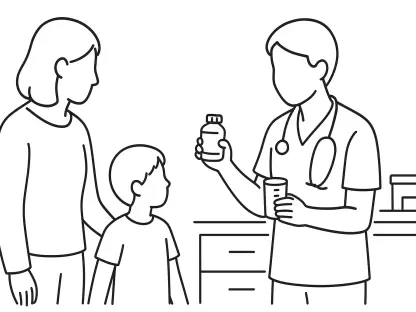
Beyond the workforce, the model emphasizes the necessity of including patients and their families as active partners in the decision-making process throughout the entire care journey. This collaborative approach ensures that healthcare remains a personalized endeavor rather than a top-down, impersonal service where the patient is a passive recipient of treatment. By formalizing mechanisms for feedback and involving family members in discharge planning or bedside handovers, organizations can identify potential issues that might otherwise remain hidden. This partnership fosters a deeper level of trust and provides clinicians with valuable context that can lead to more accurate diagnoses and effective treatment plans. Moreover, the model encourages the establishment of consumer advisory groups that have a direct line to hospital boards, ensuring that the patient voice is heard at the highest levels of governance. This integration of the consumer perspective is a key differentiator in the new standards.
Proactive Safety Management: Data and Systemic Resilience
On a practical operational level, the framework emphasizes the rigorous use of evidence-based guidelines and detailed data-driven improvements to significantly reduce institutional risk. It encourages health services to move away from reactive problem-solving, which often occurs only after an adverse event, and instead focus on proactive risk identification techniques. By utilizing advanced clinical registries and sophisticated performance metrics, organizations can now spot subtle systemic weaknesses and address them long before they escalate into incidents of patient harm. This reliance on high-quality data allows hospital administrators to allocate resources more effectively to the areas where they will have the greatest impact on safety. Furthermore, the model advocates for the regular benchmarking of clinical outcomes against national averages, providing a clear picture of where an institution stands in relation to its peers and where it must improve.
The transition to a proactive safety culture requires a sophisticated understanding of how small failures in a system can cascade into larger catastrophes if left unchecked over time. To combat this, the National Model promotes the implementation of “just culture” principles, where staff members feel safe reporting near-misses and errors without the immediate fear of punitive action. This openness allows for the collection of rich data regarding everyday clinical practice, which is often more informative than the data gathered from rare catastrophic events. When combined with modern analytical tools, this information provides a comprehensive view of the operational health of a facility, enabling leaders to make informed decisions about policy changes. The focus is no longer on blaming individuals for mistakes but on redesigning the systems that allowed those mistakes to occur. This systemic approach is essential for building a healthcare environment that is both safe and innovative.
Bridging the Gap: Executive Leadership and Clinical Stewardship
A critical component of the redefined model involves narrowing the traditional distance between the executive boardroom and the frontline clinical ward to ensure better alignment. It calls for a higher degree of “clinical literacy” among board members, requiring them to possess a fundamental understanding of medical performance data even if they lack a clinical background. This expectation ensures that board members are not simply reviewing financial statements, but are also deeply engaged in assessing the safety metrics that define the quality of the service. When executives invest in leadership training for their staff and prioritize clear, bidirectional communication, the entire organization becomes more coordinated and capable of responding to challenges. This bridge between the boardroom and the ward ensures that safety priorities are not lost in translation and that clinicians feel supported by their leadership in their daily efforts to provide care.
The implementation of the National Model for Clinical Governance established a robust foundation for a system where medical errors were minimized through intentional design rather than luck. By moving away from a culture of blame and toward a sophisticated framework of accountability, Australian healthcare services took a decisive step in protecting the public from preventable harm. Hospital boards and clinical leaders worked in unison to integrate safety data into every financial and operational decision, ensuring that the patient remained the central focus of all organizational activities. This strategic shift empowered clinicians to prioritize quality care, while administrators provided the necessary resources to sustain high standards. The integration of emerging digital health tools provided real-time safety alerts that reduced the cognitive burden on frontline staff. Ultimately, the success of this model depended on the collective willingness of all participants to treat patient safety as a journey.