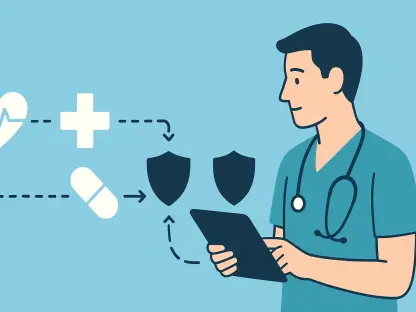

New Jersey’s healthcare landscape is undergoing a strategic evolution as institutions move away from traditional open-heart surgery toward sophisticated catheter-based repairs. Leading medical giants such as RWJBarnabas Health and Hackensack Meridian Health have channeled hundreds of millions of dollars into a comprehensive modernization of their cardiovascular infrastructure. This pivot is not merely a reaction to aging facilities but a calculated leap into a high-tech future where artificial intelligence and minimally invasive procedures dictate the standard of care. By prioritizing these advancements, New Jersey hospitals are effectively neutralizing the historical pressure on residents to seek treatment in New York City or Philadelphia. The investment reflects a massive commitment to local health, ensuring that state-of-the-art surgical suites and diagnostic tools are available within a short drive of any community. This strategic overhaul allows institutions to navigate a complex economic environment characterized by rising operational costs and fluctuating insurance reimbursements by focusing on efficiency and superior outcomes. As cardiac care becomes more specialized, these health systems are positioning themselves as national benchmarks for innovation, proving that regional centers can compete with the most prestigious academic medical institutions in the country through dedicated financial stewardship and a relentless pursuit of clinical excellence.
Integrating Artificial Intelligence and Precision Diagnostics
The integration of artificial intelligence and predictive modeling has become a cornerstone of the New Jersey heart care revolution. Clinicians now use AI to analyze complex imaging and identify high-risk patients before a major cardiac event occurs, utilizing algorithms that can detect subtle patterns in heart rhythms or arterial density that might elude the human eye. One standout innovation is the widespread adoption of 3D simulation technology, which allows surgeons to create personalized anatomical maps of a specific patient’s heart. This enables medical teams to plan intricate valve replacements or bypass routes with extreme precision before the patient ever enters the operating room, significantly reducing the margin for error and the time spent under anesthesia. By simulating various surgical scenarios in a digital environment, physicians can choose the most effective path, tailoring the intervention to the unique geometry of the individual’s cardiovascular system. This level of customization was once a theoretical luxury but has now become a standard operational protocol in the state’s leading cardiac centers, ensuring that every procedure is optimized for the highest possible success rate.
In addition to AI, next-generation imaging tools are setting a new gold standard for non-invasive diagnostics across the state’s healthcare networks. The introduction of photon-counting CT scanners and advanced coronary angiography allows doctors to view the heart’s structure and blood flow with unprecedented clarity and speed. These high-resolution images often eliminate the need for invasive exploratory surgeries, as physicians can now identify microscopic blockages and plaque buildup through external scans that take only minutes to perform. This shift toward high-tech diagnostics ensures that treatment plans are tailored to the specific needs of each individual, allowing for early intervention in cases that might have previously gone undetected until a crisis emerged. These tools also reduce radiation exposure for patients, making frequent monitoring safer and more accessible for those with chronic conditions. As these diagnostic capabilities continue to expand, the focus has shifted from reactive treatment to proactive management, where the granular data provided by advanced imaging informs every stage of the patient’s journey, from the initial consultation to long-term post-operative care.
Structural Interventions: Moving Beyond the Scalpel
There is a profound movement away from traditional open-heart surgery in favor of catheter-based structural heart procedures that offer a more refined approach to complex repairs. Innovations such as Transcatheter Aortic Valve Replacement, or TAVR, allow doctors to repair or replace vital heart valves through tiny incisions, typically in the leg, rather than opening the chest cavity. These techniques are particularly beneficial for older or more fragile patients who may not be candidates for major surgery due to the physical toll of traditional recovery. By utilizing these targeted tools, hospitals are able to reduce recovery times from weeks to days, lower the risk of post-surgical complications, and get patients back to their daily lives much faster. The precision of these instruments allows for a level of control that minimizes trauma to surrounding tissues, effectively treating the heart as a series of repairable mechanical components rather than a site for invasive reconstruction. This evolution in technique represents a significant cultural shift in the operating room, where the emphasis is now on achieving the greatest clinical impact with the smallest physical footprint.
The move toward these accurate interventions rather than the aggressive surgical approaches of the past highlights a new era of surgical discipline and patient safety. Modern cardiac care focuses on fixing specific problems with minimal collateral damage to the body, a goal supported by the development of hybrid procedural rooms. These specialized environments combine the capabilities of a traditional operating theater with the high-tech imaging and sterile environment of a catheterization lab. In these spaces, multidisciplinary teams of interventional cardiologists and cardiac surgeons work side-by-side, allowing for seamless transitions between different types of procedures if the patient’s condition changes. As a result, New Jersey hospitals are increasingly able to perform complex structural repairs that were once considered impossible without open-chest surgery, such as repairing mitral valves or closing holes in the heart with specialized mesh devices. This hybrid model ensures that the most advanced technology is always at the surgeon’s fingertips, providing a safety net of real-time imaging that guides every movement of the catheter, resulting in safer outcomes and more predictable recovery trajectories for a diverse range of patients.
Economic Sustainability: Investing in Preventive Care
Despite the high price tag of innovation, healthcare executives argue that these multimillion-dollar investments are essential for long-term financial stability in a volatile market. By utilizing technology that reduces hospital readmissions and shifts complex procedures to outpatient or short-stay settings, systems can offset the pressures of declining insurance reimbursements and rising labor costs. Many of these advancements are also fueled by significant philanthropic support and community donations, which allow hospitals to acquire expensive equipment without passing the full cost onto the patient or the healthcare system. This financial stewardship allows hospitals to remain competitive and provide top-tier care without compromising their operational integrity or their ability to serve the uninsured. The focus on high-efficiency procedures means that beds are cleared faster and resources are used more effectively, creating a sustainable business model that prioritizes clinical outcomes as the primary driver of financial health. By modernizing their approach, these systems are effectively future-proofing their operations against the shifting tides of healthcare policy and economic inflation.
While the focus often lands on high-tech machinery, New Jersey’s leading cardiologists emphasize that prevention remains the most effective tool available to the public. Modern heart care is increasingly proactive, using digital health tools and remote monitoring to track patient data in real-time from the comfort of the patient’s home. By focusing on Life’s Essential 8, which includes factors like diet, exercise, and blood pressure management, medical systems aim to stop heart disease before it requires surgical intervention of any kind. This dual approach ensures that while the most advanced technology is available for emergencies, the ultimate goal is to keep the community healthy through early detection and lifestyle modification. Health systems are investing in community outreach programs and wearable technology that alerts physicians to potential issues before they escalate into cardiac events. This paradigm shift treats the hospital not as a destination for the sick, but as a hub for wellness and chronic disease management. By empowering patients with their own data and providing the tools to manage their cardiovascular health daily, New Jersey’s medical institutions are creating a more resilient population and reducing the overall burden on the healthcare infrastructure.
Expanding Localized Networks for Specialized Treatment
A primary driver behind this wave of investment is the desire to make specialized heart care accessible to every New Jersey resident, regardless of their location. Historically, patients often felt forced to travel to New York City or Philadelphia for complex treatments, which added significant stress and logistical hurdles during a health crisis. Recent expansions are closing that gap by establishing local hubs of excellence across the state, from inner-city Trenton to the suburban stretches of Morris County. This decentralization of care ensures that a patient’s zip code does not determine the quality of the life-saving treatment they receive, as advanced cardiac teams are now stationed in regional community hospitals. The success of these initiatives is evident in the high volume of patients now being treated at local facilities like the Atlantic Health Gagnon Cardiovascular Institute and other regional powerhouses. By combining academic expertise with community-centric service, New Jersey has positioned itself as a national leader in heart health, ensuring that the most advanced therapies are integrated directly into the neighborhoods where patients live and work.
The strategic initiatives launched by New Jersey health systems successfully established a new precedent for regional medical excellence and long-term community health. These organizations realized that the path forward required a total integration of technological prowess and localized access points to remain viable. Moving forward, the focus shifted toward the mass adoption of remote diagnostic platforms that allowed rural and underserved populations to receive expert consultations via high-speed digital networks. The state’s medical leaders determined that the next logical step involved the standardization of AI-driven screening protocols across all primary care touchpoints to ensure no patient fell through the cracks. This transition ensured that the massive capital investments made in surgical suites were balanced by an equally robust infrastructure for early detection. The legacy of these investments proved that a state-wide commitment to innovation could significantly reduce the mortality rate of heart disease while simultaneously stabilizing the economic framework of the healthcare industry. By prioritizing the patient experience and the precision of modern science, New Jersey’s health systems secured their roles as indispensable pillars of the community and pioneers in the global landscape of cardiovascular medicine.